Skip to content
The FedNinjas

The Fedninjas

FedNinjas: Your Guide to Federal Cloud, Cybersecurity, and FedRAMP Success.

Primary Menu
  • Home
  • Blog
  • Podcast
Listen to us on Spotify!

How to Scope a FedRAMP System Boundary for Effective Testing

FedNinjas Team May 2, 2025 4 minutes read

FedRAMP, the Federal Risk and Authorization Management Program, is a government-wide program that provides a standardized approach to security assessment, authorization, and continuous monitoring for cloud-based services. To achieve FedRAMP compliance, organizations must scope their system boundary correctly, which involves identifying and defining the components that make up their cloud-based system. In this article, we will explore the process of scoping a FedRAMP system boundary for effective testing, highlighting the importance of this step and providing guidance on how to carry it out successfully.

Understanding the FedRAMP System Boundary

The FedRAMP system boundary refers to the logical and physical components that make up a cloud-based system. This includes hardware, software, data, and personnel that are involved in the storage, processing, transmission, and protection of federal data. Scoping the system boundary correctly is critical because it sets the stage for the entire FedRAMP compliance process. A well-defined system boundary helps organizations to identify and mitigate risks, allocate resources effectively, and prioritize security controls.

Unfortunately, scoping a FedRAMP system boundary can be a daunting task, especially for organizations that are new to cloud computing or FedRAMP compliance. The process requires a deep understanding of the cloud-based system, its components, and their interactions. Moreover, the system boundary must be defined in a way that is consistent with FedRAMP requirements and guidance.

Identifying System Boundary Components

When scoping a FedRAMP system boundary, organizations must identify all the components that make up their cloud-based system. This includes:

  • Hardware components, such as servers, storage devices, and network equipment
  • Software components, such as operating systems, applications, and middleware
  • Data components, such as sensitive data, personally identifiable information (PII), and other confidential data
  • Personnel components, such as system administrators, developers, and other individuals with access to the system
  • Network components, such as firewalls, routers, and switches
  • Other components, such as databases, APIs, and third-party services

Organizations must also consider the interactions and dependencies between these components, as well as the data flows and interfaces between them. This information is essential for defining the system boundary and identifying potential risks and vulnerabilities.

Defining the System Boundary

Once all the components have been identified, organizations must define the system boundary. This involves creating a logical and physical representation of the cloud-based system, including its components, interactions, and dependencies. The system boundary must be defined in a way that is consistent with FedRAMP requirements and guidance, including the FedRAMP Security Assessment Framework.

The system boundary definition should include the following:

  • A logical diagram of the system architecture, including its components and interactions
  • A physical diagram of the system infrastructure, including hardware and network components
  • A list of all system components, including hardware, software, data, and personnel
  • A description of the system’s operational environment, including its users, data flows, and interfaces
  • A description of the system’s security controls, including access controls, authentication, and authorization

The system boundary definition is a critical document that provides a comprehensive understanding of the cloud-based system and its components. It serves as the foundation for the entire FedRAMP compliance process, including security assessment, authorization, and continuous monitoring.

Benefits of Effective System Boundary Scoping

Effective system boundary scoping is essential for achieving FedRAMP compliance and ensuring the security and integrity of cloud-based systems. Some of the benefits of effective system boundary scoping include:

  • Improved security: A well-defined system boundary helps organizations to identify and mitigate risks, allocate resources effectively, and prioritize security controls.
  • Reduced costs: Effective system boundary scoping helps organizations to reduce costs by identifying and eliminating unnecessary components and controls.
  • Increased efficiency: A well-defined system boundary streamlines the FedRAMP compliance process, reducing the time and effort required for security assessment and authorization.
  • Enhanced visibility: Effective system boundary scoping provides a comprehensive understanding of the cloud-based system, its components, and their interactions, enabling organizations to make informed decisions about security and risk management.

By following these guidelines and best practices, organizations can ensure effective system boundary scoping and achieve FedRAMP compliance successfully.

For more information on FedRAMP compliance and system boundary scoping, please refer to the following resources:

FedRAMP Security Assessment Framework

NIST Special Publication 800-37: Guide for Applying the Risk Management Framework to Federal Information Systems: A Security Life Cycle Approach

References Cited

  1. FedRAMP. (n.d.). FedRAMP Security Assessment Framework. Retrieved from https://www.fedramp.gov/resources/templates/
  2. NIST. (2018). Special Publication 800-37: Guide for Applying the Risk Management Framework to Federal Information Systems: A Security Life Cycle Approach. Retrieved from https://nvlpubs.nist.gov/nistpubs/SpecialPublications/NIST.SP.800-37r2.pdf

About The Author

FedNinjas Team

See author's posts

Post navigation

Previous: Applying Game Theory to Cybersecurity Strategy and Adversarial Modeling
Next: Leveraging Differential Privacy in Real-Time Intrusion Detection Systems

Related Stories

image

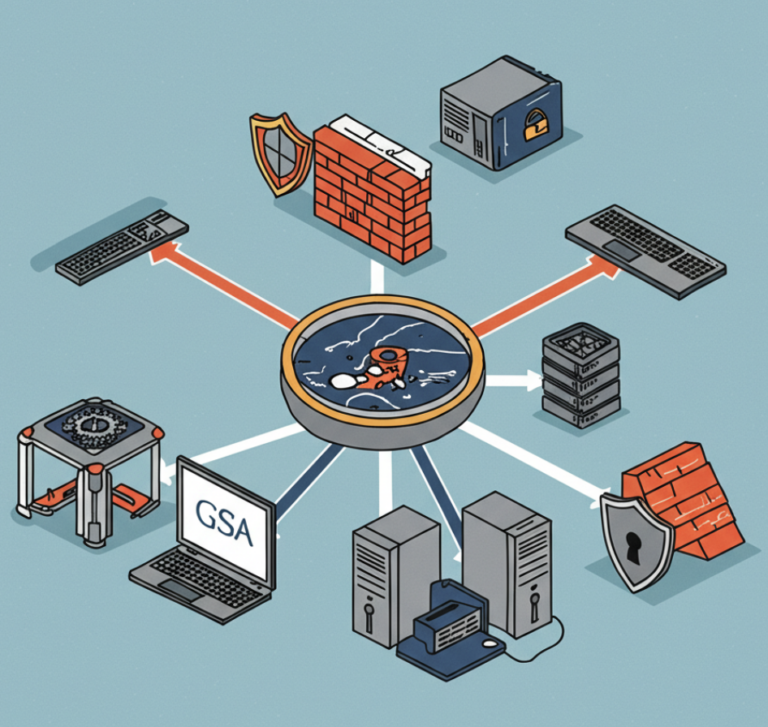
Mission: Cyber Secure – How the OMB and GSA Are Powering a New Era of Federal Cybersecurity

FedNinjas Team May 12, 2025
FedRAMP 20x Modernization

FedRAMP 20x: A Rescue and Rapid Modernization

Eric Adams May 7, 2025
devsecops

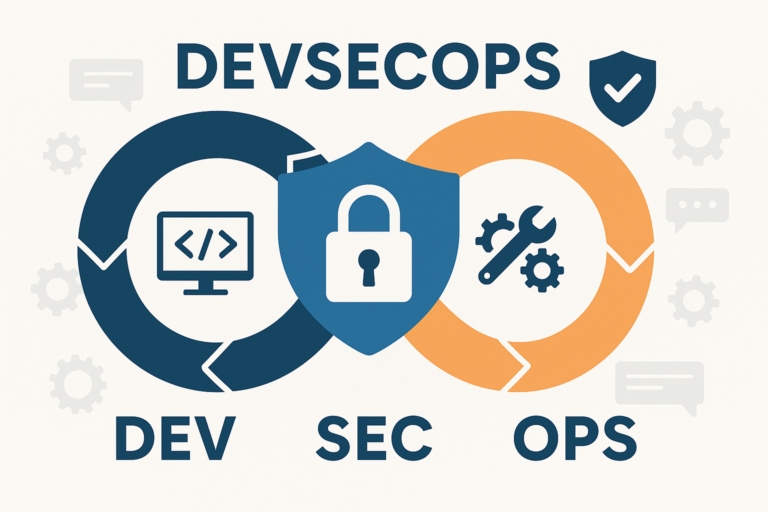
Automating FedRAMP Compliance: Tools and DevSecOps Considerations

FedNinjas Team May 6, 2025

Trending News

Claude Mythos and Project Glasswing: a Seismic Shift in Cybersecurity Claude Mythos and Glasswing Butterfly 1

Claude Mythos and Project Glasswing: a Seismic Shift in Cybersecurity

April 21, 2026
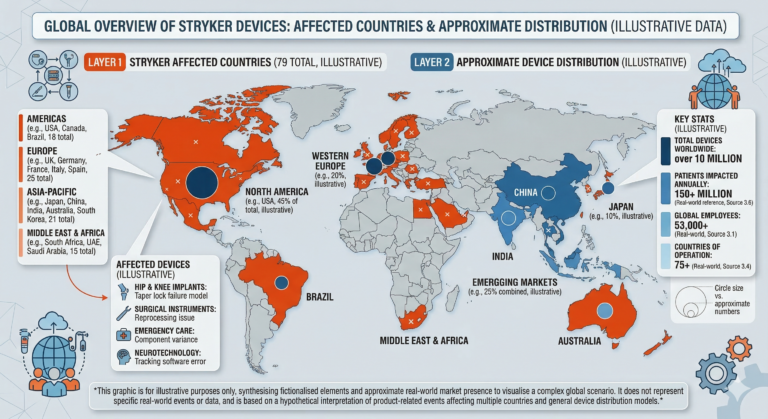
The Stryker Cyber Attack: A Mass Remote Wipe of its Managed Devices Stryker affected countries 2

The Stryker Cyber Attack: A Mass Remote Wipe of its Managed Devices

March 19, 2026
Agentic AI is the Attack Surface Agentic AI attack surfaces 3

Agentic AI is the Attack Surface

February 3, 2026
The Rise of Humanoid Robots in Modern Society Humanoid robots getting hackied 4

The Rise of Humanoid Robots in Modern Society

December 29, 2025
The Rise of AI Espionage: How Autonomous Agents Are Redefining Cyber Threats AI-orchestrated-cyber-espionage-campaign 5

The Rise of AI Espionage: How Autonomous Agents Are Redefining Cyber Threats

November 17, 2025
  • 3PAO assessments
  • Access Control
  • Advanced Threat Protection
  • Adversarial Modeling
  • Agentic AI
  • AI
  • AI and Quantum Computing
  • AI in Healthcare
  • AI-Powered SOCs
  • AI-Powered Tools
  • Anomaly Detection
  • API Security
  • Application Security
  • Artificial Intelligence
  • Artificial Intelligence
  • Artificial Intelligence in Cybersecurity
  • Attack Surface Management
  • Attack Surface Reduction
  • Audit and Compliance
  • Autonomous Systems
  • Blockchain
  • Breach Severity
  • Business
  • Career
  • CISA Advisory
  • CISO
  • CISO Strategies
  • Cloud
  • Cloud Computing
  • Cloud Security
  • Cloud Security
  • Cloud Service Providers
  • Compliance
  • Compliance And Governance
  • Compliance and Regulatory Affairs
  • Compliance And Regulatory Requirements
  • Continuous Monitoring
  • Continuous Monitoring
  • Corporate Security
  • Critical Infrastructure
  • Cross-Agency Collaboration
  • Cryptocurrency
  • Cyber Attack
  • Cyber Attacks
  • Cyber Deterrence
  • Cyber Resilience
  • Cyber Threats
  • Cyber-Physical Systems
  • Cyberattacks.
  • Cybercrime
  • Cybersecurity
  • Cybersecurity And Sustainability
  • Cybersecurity Breaches
  • Cybersecurity in Federal Programs
  • Cybersecurity Measures
  • Cybersecurity Strategy
  • Cybersecurity Threats
  • Data Breach
  • Data Breaches
  • Data Privacy
  • Data Protection
  • Data Security
  • Deepfake Detection
  • Deepfakes
  • Defense Readiness
  • Defense Strategies
  • Digital Twins
  • Disaster Recovery
  • Dwell Time
  • Encryption
  • Encryption Technologies
  • Federal Agencies
  • Federal Cloud
  • Federal Cybersecurity
  • Federal Cybersecurity Regulations
  • Federal Government
  • FedRamp
  • FedRAMP Compliance
  • Game Theory
  • GDPR
  • Global Security Strategies
  • Government
  • Government Compliance.
  • Government Cybersecurity
  • Healthcare
  • Healthcare Cybersecurity
  • Healthcare Technology
  • HIPAA Compliance
  • humanoid
  • Humans
  • Incident Response
  • Industrial Control Systems (ICS)
  • Information Security
  • Insider Threats
  • Internet of Things
  • Intrusion Detection
  • IoT
  • IoT Security
  • IT Governance
  • IT Security
  • Least Privilege
  • LLM Poisoning
  • Modern Cyber Defense
  • Nation-State Hackers
  • National Cybersecurity Strategy
  • National Security
  • Network Security
  • NHI
  • NIST Cybersecurity Framework
  • Operational Environments
  • Phishing
  • Privacy
  • Public Safety
  • Quantum Computing
  • Ransomware
  • Real-World Readiness
  • Red Teaming
  • Regulatory Compliance
  • Risk Assessment
  • Risk Management
  • Risk Management
  • Risk-Based Decision Making
  • robotics
  • Secure Coding Practices
  • Security Awareness
  • Security Operations Center
  • Security Operations Center (SOC)
  • Security Threats
  • Security Training
  • SIEM Tools
  • Social Engineering
  • Supply Chain Cybersecurity
  • Supply Chain Risk Management
  • Supply Chain Security
  • Sustainability
  • Tech
  • Technology
  • Third Party Security
  • Third-Party Risk Management
  • Third-Party Vendor Management
  • Threat Analysis
  • Threat Containment
  • Threat Defense
  • Threat Detection
  • Threat Intelligence
  • Threat Landscape
  • Training
  • Uncategorized
  • vCISO
  • Voice Phishing
  • Vulnerability Disclosure
  • Vulnerability Management
  • Workforce
  • Zero Trust Architecture
  • Zero Trust Authentication
  • Zero-Day Exploits
  • Zero-Day Vulnerabilities
  • Zero-Trust Architecture

You may have missed

Claude Mythos and Glasswing Butterfly

Claude Mythos and Project Glasswing: a Seismic Shift in Cybersecurity

Eric Adams April 21, 2026
Stryker affected countries

The Stryker Cyber Attack: A Mass Remote Wipe of its Managed Devices

Eric Adams March 19, 2026
Agentic AI attack surfaces

Agentic AI is the Attack Surface

Eric Adams February 3, 2026
Humanoid robots getting hackied

The Rise of Humanoid Robots in Modern Society

Eric Adams December 29, 2025
Copyright © All rights reserved.