FedRAMP, the Federal Risk and Authorization Management Program, is a critical compliance framework for cloud service providers (CSPs) looking to secure a foothold in the federal market. However, achieving and maintaining FedRAMP compliance can be a complex and time-consuming process, involving manual audits, documentation, and testing. In this article, we’ll explore the importance of automating FedRAMP compliance and the role of DevSecOps in achieving this goal. We’ll also examine the tools and considerations essential for successful automation.
The Need for Automation in FedRAMP Compliance
Manual FedRAMP compliance processes can be tedious, prone to human error, and costly. CSPs must navigate a labyrinthine framework of documentation, audits, and testing, with the constant threat of non-compliance looming large. Automation offers a way out of this maze, enabling CSPs to streamline compliance, reduce costs, and accelerate time-to-market. By automating FedRAMP compliance, CSPs can focus on delivering secure, high-quality services to their federal clients, rather than getting bogged down in paperwork and bureaucracy.
Automated compliance also helps CSPs stay ahead of the curve in terms of security and compliance requirements. FedRAMP is an evolving framework, with new requirements and controls being added regularly. Automated tools can stay up-to-date with these changes, ensuring that CSPs remain compliant and avoiding costly re-work.
DevSecOps: The Key to Automated FedRAMP Compliance
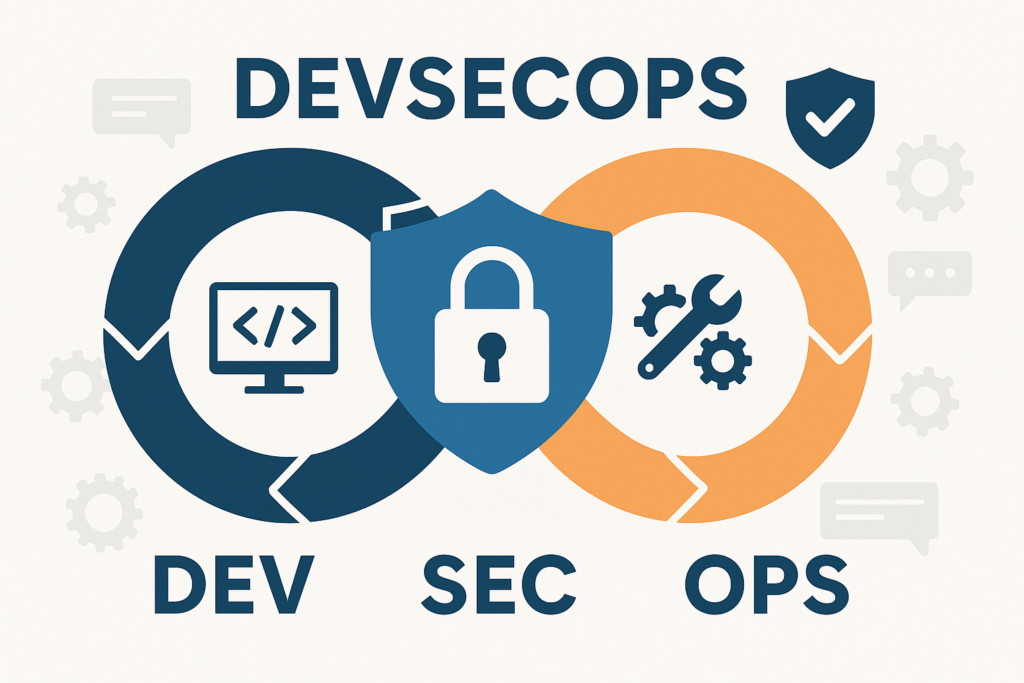
DevSecOps, a fusion of development, security, and operations, is a critical enabler of automated FedRAMP compliance. By integrating security and compliance into every stage of the development lifecycle, DevSecOps enables CSPs to bake security into their services from the outset. This approach not only ensures compliance with FedRAMP requirements but also leads to more secure, reliable, and maintainable services.
DevSecOps tools such as infrastructure-as-code (IaC) platforms, continuous integration and continuous deployment (CI/CD) pipelines, and security information and event management (SIEM) systems play a vital role in automating FedRAMP compliance. These tools enable CSPs to automate security testing, vulnerability management, and compliance monitoring, freeing up resources for more strategic activities.
Automation Tools for FedRAMP Compliance
Several automation tools are available to support FedRAMP compliance, including:
1. CSPs’ native tools: Many CSPs, such as AWS, Azure, and Google Cloud, offer native tools and services that support FedRAMP compliance. These tools provide a range of features, including security monitoring, vulnerability scanning, and compliance reporting.
2. Third-party compliance platforms: Third-party platforms, such as AvePoint, CyberArk, and Symantec, offer comprehensive compliance solutions that cover FedRAMP and other regulatory frameworks. These platforms provide automated compliance reporting, security monitoring, and risk assessment capabilities.
3. DevSecOps tools: DevSecOps tools, such as HashiCorp’s Terraform, GitLab’s CI/CD pipeline, and Splunk’s SIEM system, enable CSPs to automate security and compliance across the development lifecycle. These tools support FedRAMP compliance by automating security testing, vulnerability management, and compliance monitoring.
In conclusion, automating FedRAMP compliance is essential for CSPs looking to thrive in the federal market. By leveraging DevSecOps principles and automation tools, CSPs can streamline compliance, reduce costs, and accelerate time-to-market. Remember, automation is not a one-time event but an ongoing process that requires continuous monitoring, testing, and improvement.
Challenges and Considerations
While automation can simplify FedRAMP compliance, CSPs must be aware of several challenges and considerations:
1. Data quality: Automated tools rely on high-quality data to provide accurate compliance reporting. CSPs must ensure that their data is accurate, complete, and up-to-date to avoid compliance issues.
2. Tool integration: CSPs must ensure seamless integration between automation tools and their existing infrastructure and applications. Integration issues can lead to gaps in compliance and security.
3. Talent gap: Automating FedRAMP compliance requires specialized skills, including DevSecOps, security, and compliance expertise. CSPs must invest in training and upskilling their teams to ensure successful automation.
By understanding these challenges and considerations, CSPs can overcome the obstacles to automation and reap the benefits of streamlined FedRAMP compliance.
References Cited:
1. Federal Risk and Authorization Management Program (FedRAMP)
2. National Institute of Standards and Technology (NIST)
3. Cybersecurity and Infrastructure Security Agency (CISA)
About The Author