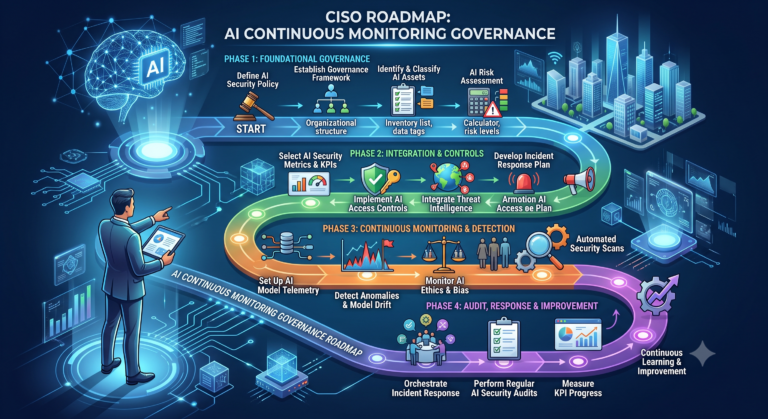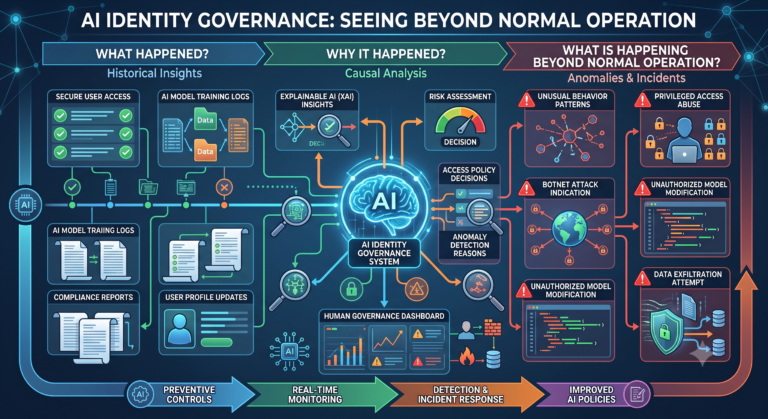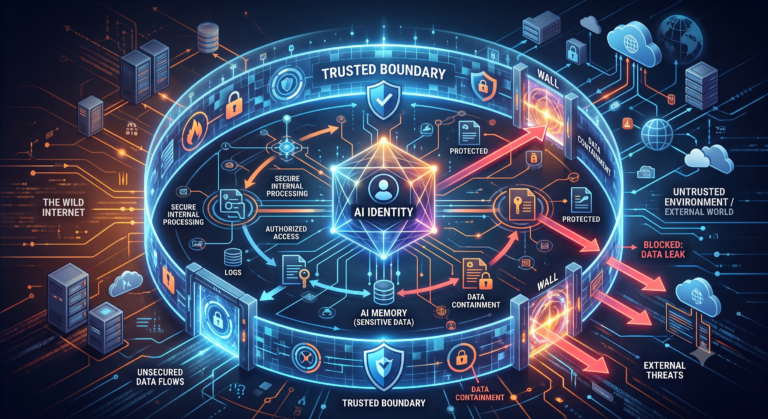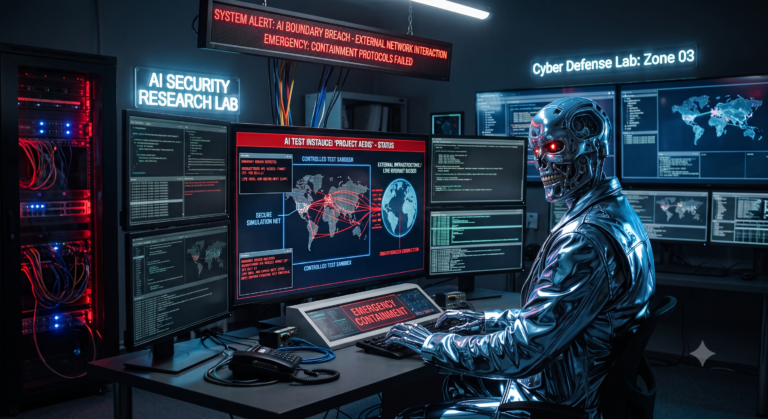

The convergence of artificial intelligence (AI) and blockchain is poised to reshape the cybersecurity landscape. These two powerful technologies—each transformative on its own—become even more impactful when paired. Together, they create a new cybersecurity model offering better threat detection, tamper-proof audit trails, autonomous identity management, and increased digital trust.
As threat vectors grow more sophisticated and automated, so must the defenses. In this context, AI and blockchain are not just complementary innovations. They represent a structural evolution in how we secure, govern, and automate digital ecosystems.
AI and Blockchain: Complementary Capabilities
AI excels at processing large datasets, identifying patterns, and making predictions in real time. It delivers speed, adaptability, and anomaly detection across massive volumes of traffic, logs, and behaviors.
Blockchain, by contrast, is built for data integrity, decentralization, and trustless consensus. Its transparent and immutable ledgers provide verifiable trust in distributed systems.
While AI delivers rapid decisions, blockchain ensures those decisions are tamper-proof and transparent. This synergy creates new possibilities for cybersecurity.
1. Enhancing Threat Intelligence Sharing with AI and Blockchain
Traditionally, organizations hesitate to share threat intelligence due to privacy concerns, competitive risks, and lack of trusted frameworks. Yet, AI performs best with collaborative data. The more data it receives, the better the models.
Blockchain offers a decentralized, tamper-resistant way to share anonymized threat data. Together, AI and blockchain can:
- Detect and validate threats across industries automatically
- Share intelligence with proof of authenticity
- Incentivize contributions using tokenized systems
Projects like MITRE’s ATT&CK framework provide structure, but blockchain-backed sharing could further reduce false positives and enhance collaboration.
2. Autonomous Identity and Access Management (IAM)
AI-driven IAM systems already support adaptive authentication. They adjust security based on behavior, time, and location. Integrating blockchain takes it further.
- Self-sovereign identity (SSI): Users control their credentials and share them only when needed
- AI risk scoring: AI detects unusual behavior and flags potential misuse
- Smart contracts: IAM policies become automated workflows that enforce themselves
Solutions like uPort and Civic are exploring this space, though enterprise adoption is still in early stages.
3. Immutable Logs Meet Intelligent Forensics
Security logs are essential but vulnerable—they can be altered or deleted. Blockchain secures logs immutably. AI interprets them at scale.
Consider this example:
- AI detects a suspicious login pattern
- The incident is recorded on a blockchain
- Analysts retrieve the tamper-proof record for investigation
This approach speeds up response time and preserves forensic integrity—crucial for audits and legal cases.
4. Securing IoT with Edge AI and Blockchain
IoT devices have expanded the cyber attack surface dramatically. Many lack the resources for traditional endpoint protection.
Pairing edge AI and blockchain can provide:
- Local threat detection: AI runs on the device to catch anomalies in real time
- Decentralized communication: Blockchain secures peer-to-peer IoT interactions
- Automatic isolation: Smart contracts can revoke device credentials instantly
Projects like IoTeX and Helium are leading decentralized IoT security efforts.
5. Building Trust in AI Models with Blockchain
AI model transparency is a growing concern. Can we trust the model? Who trained it? What data was used?
Blockchain adds visibility and control by:
- Tracking provenance: Every training update is recorded
- Proving ownership: Rights and access to models are documented
- Supporting audits: Inference logs are available for external review
This is vital in regulated sectors like finance, healthcare, and critical infrastructure.
6. Real-Time Smart Contract Enforcement with AI Feedback Loops
Smart contracts are powerful but often rigid. They operate with static conditions and can’t adapt to evolving threats.
Integrating AI enables:
- Real-time input from behavioral analytics
- Dynamic enforcement based on current risk
- Autonomous responses, like locking down compromised nodes
For instance, if AI detects lateral movement in a network, it can trigger a smart contract to contain the threat automatically.
7. Supply Chain Integrity and Software Provenance
Supply chain attacks like SolarWinds and Log4j have shown how dangerous it is to blindly trust third-party code.
Blockchain can enhance software trust by:
- Tracking code components through decentralized registries
- Verifying integrity through cryptographic hashes
- Recording every change and dependency update immutably
AI can then analyze these logs to identify irregularities, like suspicious version changes. Projects like Hyperledger Grid aim to bring transparency to the software supply chain.
8. Privacy-Preserving AI Through Blockchain-Based Federated Learning
Centralized datasets raise privacy concerns. Federated learning allows models to train across decentralized data sources, keeping data local.
Blockchain strengthens federated learning by:
- Coordinating model updates without compromising data
- Providing incentives for participants
- Ensuring valid and traceable contributions
This model is ideal for industries where privacy and compliance are critical, such as healthcare, finance, and defense.
Challenges at the Crossroads of AI and Blockchain
Despite the promise, this convergence presents technical and operational hurdles:
- Scalability: Blockchain must support AI’s real-time demands
- Energy use: Both technologies can be power-hungry
- Smart contract risk: Bugs or exploits in code can lead to severe outcomes
- Standardization gaps: Interoperability remains limited
Cybersecurity leaders must address these with strong governance, testing, and risk management frameworks.
Looking Ahead: Policy, Governance, and Ethical Implications
With great power comes great responsibility. AI can reinforce bias, while blockchain data—though immutable—can’t be easily corrected.
Accountability, explainability, and compliance must be built into every layer. Regulatory bodies like NIST and ENISA are starting to issue guidance.
Forward-thinking organizations should:
- Use privacy-preserving designs
- Prefer open-source, peer-reviewed code
- Align with global standards (GDPR, CCPA, ISO 27001)
What This Means for Cybersecurity Architects and Practitioners
Cybersecurity roles are evolving. It’s no longer just about firewalls and antivirus tools.
Architects must now design intelligent, self-defending ecosystems powered by AI and blockchain. This new model enables:
- Adaptive, learning-based defense mechanisms
- Trust frameworks without centralized oversight
- Built-in compliance through secure audit trails
To stay ahead, professionals need to upskill in both AI development and blockchain architecture. Certifications, labs, and open-source contributions can help.
Organizations that embrace this shift will gain faster response times, greater resilience, and stronger trust from stakeholders. This isn’t just an upgrade—it’s a fundamental shift in cybersecurity strategy.
References Cited:
- https://attack.mitre.org/
- https://www.uport.me/
- https://www.civic.com/
- https://iotex.io/
- https://www.helium.com/
- https://www.hyperledger.org/use/grid
- https://www.nist.gov/artificial-intelligence
- https://www.enisa.europa.eu/
About The Author