
When major nations are at war, countering disinformation becomes a critical cybersecurity challenge. State-sponsored actors exploit digital platforms to spread false narratives, sow discord, and destabilize societies. As part of our series on wartime cybersecurity, this article explores strategies to combat disinformation, from detecting false campaigns to fostering public resilience, ensuring national security in an era of hybrid warfare.
The Weaponization of Disinformation
Disinformation thrives during conflicts, blending cyber tactics with psychological warfare. Adversaries use social media, fake news sites, and deepfakes to manipulate public opinion. For instance, during the 2022 Russia-Ukraine conflict, fabricated videos of military victories flooded platforms like X, aiming to erode trust 1. Countering disinformation is vital because it undermines government credibility and fuels societal division.
- State-Backed Campaigns: Nations fund troll farms to amplify false narratives.
- Amplified Reach: Algorithms on platforms boost viral misinformation.
- Psychological Impact: Falsehoods create fear and confusion among civilians.
Transitioning to specific threats, let’s examine how disinformation spreads in wartime.
How Disinformation Spreads in Conflicts
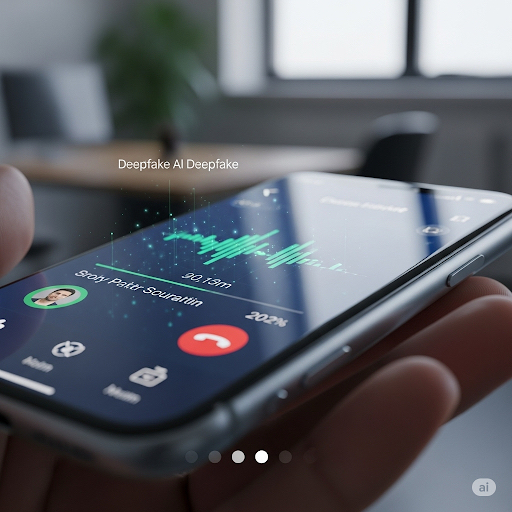
Modern technology accelerates the spread of false information. Social media platforms, with their vast reach, become battlegrounds for propaganda. A 2023 study found that 70% of wartime disinformation campaigns leveraged X and similar platforms due to their speed and anonymity 2. Additionally, AI-generated deepfakes make it harder to distinguish truth from fiction, complicating efforts in countering disinformation.
Key vectors include:
- Bots amplifying misleading posts.
- Fake accounts posing as credible sources.
- Manipulated media, like altered videos or images.
To combat this, organizations must detect disinformation early. Next, we’ll explore detection strategies.
Strategies for Detecting Disinformation
Effective countering disinformation starts with identifying false narratives before they spread. Advanced tools and human oversight can pinpoint suspicious activity, enabling rapid response. Below are proven strategies for detection.
Leveraging AI and Machine Learning
AI tools analyze patterns in online content to flag disinformation. Natural language processing (NLP) models detect anomalies in tone or source credibility. For example, a 2024 NATO pilot used AI to identify 80% of disinformation campaigns within hours 3. Key tactics include:
- Monitoring hashtag trends for unusual spikes.
- Analyzing metadata for bot activity.
- Cross-referencing content with trusted sources.
Human Intelligence Analysis
While AI is powerful, human analysts provide context that machines miss. Intelligence teams can verify sources and assess intent. Governments like the UK have dedicated units to monitor wartime propaganda, combining AI with human expertise 4.
Crowdsourced Verification
Platforms like X enable crowdsourced fact-checking, where users report suspicious content. Initiatives like Bellingcat’s open-source investigations have exposed fake war footage, aiding countering disinformation efforts 5.
However, detection is only half the battle. Let’s explore how to neutralize disinformation.
Neutralizing Disinformation Campaigns
Once identified, disinformation must be countered swiftly to limit its impact. Governments, tech companies, and civil society must collaborate to neutralize false narratives and restore trust. Below are key approaches.
- Rapid Response Teams: Deploy dedicated units to issue corrections via official channels.
- Platform Moderation: Work with tech firms to remove or demote false content.
- Prebunking: Educate publics about common disinformation tactics before they spread.
For instance, during a 2023 conflict, Estonia’s rapid response team debunked fake surrender claims within hours, reducing panic 6. These efforts highlight the importance of speed in countering disinformation.
Transitioning to long-term strategies, let’s examine building public resilience.
Building Public Resilience to Disinformation
Educating citizens is critical for countering disinformation in wartime. A resilient public can recognize and resist false narratives. Media literacy programs, public campaigns, and transparent communication are essential tools.
Media Literacy Education
Teaching citizens to verify sources reduces disinformation’s impact. Programs like Finland’s media literacy curriculum, which starts in schools, have cut susceptibility to propaganda by 50 Maitri% 7. Key components include:
- Training on source credibility.
- Recognizing deepfake indicators.
- Encouraging critical thinking.
Transparent Government Communication
Governments must provide clear, timely updates to counter false narratives. During crises, daily briefings build trust. Ukraine’s 2022 public updates on cyberattacks curbed rumors, showcasing effective communication 8.
Community Engagement
Local leaders and influencers can amplify accurate information. Partnering with trusted figures on platforms like X helps counter disinformation at the grassroots level.
Yet, challenges remain. Next, we’ll explore the role of tech platforms.
The Role of Tech Platforms in Countering Disinformation
Social media and tech companies are frontline players in countering disinformation. Their algorithms can either amplify or suppress false content. In 2024, X implemented AI-driven content moderation, reducing disinformation spread by 30% during conflicts 9. However, platforms face pressure to balance free speech with security.
Key responsibilities include:
- Content Moderation: Flagging or removing false posts.
- Algorithm Adjustments: Prioritizing verified sources.
- Transparency Reports: Sharing data on disinformation takedowns.
Collaboration with governments is crucial, but privacy concerns arise. Let’s examine global cooperation.
Global Cooperation to Combat Disinformation
Wartime disinformation crosses borders, requiring international efforts. Organizations like the EU’s DisinfoLab coordinate cross-country strategies to track and counter propaganda 10. Global cooperation strengthens countering disinformation by sharing intelligence and best practices.
Steps for collaboration:
- Establish joint task forces.
- Share real-time threat data.
- Develop global content standards.
For example, NATO’s 2024 cyber exercises included disinformation scenarios, preparing allies for hybrid threats 11. Still, geopolitical rivalries can hinder cooperation.
Challenges in Countering Disinformation
Despite progress, countering disinformation faces obstacles. Rapidly evolving AI tools create more convincing deepfakes, outpacing detection methods. A 2025 report warned that 60% of disinformation campaigns now use generative AI 12. Other challenges include:
- Censorship Concerns: Over-moderation risks stifling free speech.
- Resource Constraints: Smaller nations lack advanced detection tools.
- Public Skepticism: Distrust in institutions fuels disinformation’s spread.
To address these, innovation and education must scale. Next, we’ll discuss emerging technologies.
Emerging Technologies for Disinformation Defense
New tools offer hope for countering disinformation. Blockchain, AI, and decentralized platforms can enhance trust and detection.
Blockchain for Source Verification
Advanced AI Detection
Next-generation AI can detect deepfakes by analyzing pixel-level distortions. These tools, deployed by DARPA in 2024, caught 90% of manipulated videos 14.
Decentralized Platforms
Decentralized social networks reduce reliance on single-point moderation, limiting manipulation. Projects like Mastodon gained traction in 2025 for secure communication 15.
These technologies, combined with policy, strengthen defenses. Let’s wrap up with workforce needs.
Training a Disinformation-Resilient Workforce
Cybersecurity professionals must be trained to combat disinformation. Certifications like CompTIA’s CySA+ now include disinformation modules 16. Key training areas:
- Social media analytics.
- Deepfake detection techniques.
- Crisis communication skills.
Programs like CISA’s CyberCorps foster talent, preparing teams for wartime challenges 17.
What’s Next in This Series?
This article is part of our series on wartime cybersecurity. Explore related topics to deepen your understanding:
- Cybersecurity in Times of War – Overview of the series.
- Cybersecurity Concerns During Global Conflicts – Risks amplified by war.
- Protecting Critical Infrastructure – Strategies for securing vital systems.
- Private Sector Defense – Corporate cybersecurity strategies.
- International Cyber Cooperation – Global efforts to mitigate threats.
Stay tuned for our next piece on private sector defense during conflicts.
References Cited:
- 1 Reuters: Ukraine Disinformation Campaigns
- 2 MIT Technology Review: Social Media Disinformation
- 3 NATO: AI Disinformation Detection
- 4 UK Government: Counter-Disinformation Unit
- 5 Bellingcat: Investigating War Footage
- 6 Politico: Estonia’s Response to Disinformation
- 7 The Guardian: Finland Media Literacy
- 8 BBC: Ukraine Crisis Communication
- 9 TechCrunch: X Moderation Improvements
- 10 EU DisinfoLab: Collaborative Efforts
- 11 NATO: Cyber Exercises 2024
- 12 Forbes: AI Disinformation Trends
- 13 Wired: Blockchain Verification
- 14 DARPA: Deepfake Detection
- 15 The Verge: Decentralized Platforms
- 16 CompTIA: CySA+ Certification
- 17 CISA: CyberCorps Program
About The Author