FedRAMP: A Program With Promise Eventually Turned Pain Point
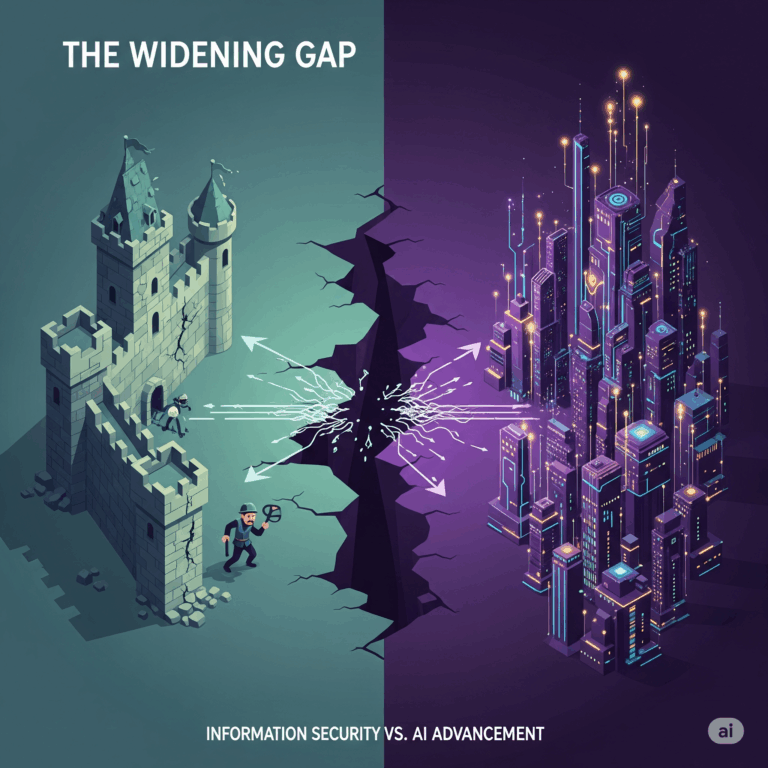
The Federal Risk and Authorization Management Program (FedRAMP) was designed to streamline cloud adoption across U.S. federal agencies. by providing a standardized approach to security assessment, authorization, and continuous monitoring for cloud products and services. However, what was once a promising innovation has now become a bureaucratic bottleneck. FedRAMP’s stagnation is stifling progress both for federal agencies that aim to modernize and for private sector cloud service providers (CSPs) seeking entry into the federal marketplace. The question at this point is how does FedRAMP regain efficiency?

Delays Undermine Agency Modernization Efforts
For agencies, FedRAMP’s red tape has created significant delays in the authorization process. Despite a strong push for digital transformation and secure cloud migration, many federal entities are forced to navigate an outdated and often inconsistent approval framework – a roadblock for FedRAMP regaining efficiency.. A 2023 report by the Government Accountability Office (GAO) highlighted that several agencies experienced wait times of up to two years for full FedRAMP authorization, even when leveraging previously authorized products through the “reuse” mechanism[1]. This inefficiency clashes with the urgency of cybersecurity modernization mandates such as those issued by Executive Order 14028, which emphasized the need for secure cloud adoption and zero trust architecture.
Private Sector Burden and Market Constraints
The slow pace is also impacting the private sector. CSPs. This is especially seen by small and medium-sized providers, often lacking the resources to endure the prolonged and costly FedRAMP approval journey. The estimated cost to achieve authorization can exceed $2 million, not including the recurring costs for maintaining compliance[2]. This financial burden limits innovation and competition in the federal space, effectively marginalizing smaller players and reinforcing the dominance of established providers.
Reuse Mechanism Falls Short of Expectations
In theory, FedRAMP should accelerate adoption through the reuse of previously authorized solutions. In practice, the lack of standardized documentation, inconsistent reviewer expectations, and frequent updates to security requirements create a moving target. These inconsistencies make it difficult for agencies to confidently reuse existing authorizations, leading many to opt for new, redundant assessments. According to the FedRAMP Program Management Office (PMO), fewer than 40% of authorizations are currently reused, despite being one of the program’s core value propositions.
Resource Constraints Cripple Throughput
Adding to the frustration is the limited staffing and resource allocation within the FedRAMP PMO. With only a modest increase in funding over the past decade, the office has struggled to keep up with the growing demand for cloud services and new authorization requests. As a result, the backlog of pending applications continues to grow, further discouraging both agencies and providers.
Inefficiencies Embedded in the ATO Process
Before 2025, the FedRAMP Authorization to Operate (ATO) process was split between two main paths: the Joint Authorization Board (JAB) and Agency sponsorship. The JAB route was considered the “gold standard” but was also highly selective and time-consuming, often taking more than 12 months. The agency sponsorship path offers more flexibility but depends heavily on the sponsoring agency’s internal processes and risk tolerance. In both cases, the lack of automation and transparency created friction and unpredictability. Many CSPs reported receiving conflicting feedback or unclear timelines, making it difficult to plan product rollouts or federal engagement strategies.
Legislation Slow to Deliver Results
Legislative efforts such as the FedRAMP Authorization Act (part of the FY23 National Defense Authorization Act) aimed to improve the process. But the actual implementation had been slow, thus limiting FedRAMP to regain efficiency. The Act introduced a formal structure for reciprocity, a longer-term funding mechanism, and oversight by the Federal Secure Cloud Advisory Committee. These measures intended to address some of the inefficiencies, but they still have not translated into measurable improvements.
Security Risks of Legacy System Reliance
The stagnation of FedRAMP also has created national security implications. Federal agencies that could adopt cloud services efficiently were left maintaining legacy systems that are often less secure and harder to defend against modern cyber threats. The 2020 SolarWinds breach underscored the risks of delayed modernization. Agencies that had migrated to secure cloud environments fared better in responding to the intrusion compared to those relying on on-premises infrastructure[3].
Tech Adoption Lags in Public Sector
Furthermore, the state of FedRAMP up until early 2025 was limiting the federal government’s ability to harness emerging technologies. Artificial intelligence, advanced analytics, and machine learning tools are predominantly developed for and hosted in cloud-native environments. Without faster and more flexible authorization pathways, federal agencies risk falling behind in adopting these capabilities. This has impact on both mission outcomes and operational resilience.
Innovation Bottlenecks in the Private Sector
Private sector innovation was similarly throttled. Many cloud startups and niche providers bring unique capabilities that could address specific government needs. However, the cost and complexity of FedRAMP acted as barriers to entry, reducing the diversity of available solutions and hindering competitive pricing. This consolidation around a few dominant CSPs also raised concerns about vendor lock-in and reduced incentives for continual improvement.
FedRAMP 20x: The Inflection Point
The launch of the FedRAMP 20x initiative in 2025 represents a significant shift aimed at addressing these issues. The program’s goal is to make the FedRAMP process 20 times faster and more scalable through automation, policy streamlining, and enhanced reuse of prior authorizations. Notable updates include:
- Automated Package Reviews: FedRAMP 20x introduces AI-assisted document analysis tools to help reviewers quickly verify compliance and flag inconsistencies.
- Unified Baseline Frameworks: New baselines integrate FedRAMP with other federal frameworks like CMMC and FISMA, reducing duplication for CSPs targeting multiple certifications.
- Enhanced Reuse Registry: Agencies now have access to a centralized and searchable registry that clearly outlines reusable packages, along with metadata and success metrics.
- Real-Time Dashboards: Both agencies and CSPs can now track the status of authorization reviews in real time, improving transparency and planning.
These developments build upon existing efforts such as OSCAL and FedRAMP Automation[4]. The early implementation of FedRAMP 20x has already reduced authorization times for participating CSPs by over 60%, according to FedRAMP.gov.
The Need for Better Assessment Oversight
The role of third-party assessment organizations (3PAOs) also requires reevaluation. Many CSPs cite inconsistent quality and interpretation among 3PAOs, adding further uncertainty to the process. Greater oversight and standardized training for assessors could help improve the reliability and efficiency of assessments.
Recommendations to Reignite FedRAMP Momentum
To move forward, a multipronged approach is needed:
- Accelerate OSCAL and FedRAMP 20x adoption across agencies and CSPs to reduce time-consuming paperwork and manual reviews.
- Expand funding and staffing for the FedRAMP PMO to address application backlogs and improve support.
- Encourage pilot programs with smaller CSPs to test streamlined pathways that maintain rigorous security standards.
- Enhance reuse mechanisms by standardizing documentation and expectations.
- Improve 3PAO accountability through performance metrics and clearer guidelines.
Ultimately, revitalizing FedRAMP is not just a matter of process efficiency—it’s a strategic imperative. If the federal government is to meet its cybersecurity modernization goals, it must eliminate the friction points that deter cloud adoption. A faster, more transparent, and scalable FedRAMP process—now made more feasible by FedRAMP 20x—would benefit not only federal agencies but also the broader cybersecurity and technology ecosystem ultimately being the catalyst for the FedRAMP program regaining its efficiency.
References Cited:
- Government Accountability Office (GAO). “Cloud Computing: Private Sector Leading Practices in Acquisition, Cybersecurity, and Workforce Development.” 2025. https://www.gao.gov/products/gao-25-106369
- Nextgov. “Government needs a massive investment in FedRAMP.” 2021. https://www.nextgov.com/modernization/2021/05/government-needs-a-massive-investment-in-fedramp/258831/
- CISA. “Remediating Networks Affected by the SolarWinds and Active Directory/M365 Compromise.” https://www.cisa.gov/news-events/news/remediating-networks-affected-solarwinds-and-active-directorym365-compromise
- NIST. “OSCAL: Open Security Controls Assessment Language.” https://pages.nist.gov/OSCAL/
- FedRAMP. “FedRAMP in 2025: Introducing FedRAMP 20x.” https://www.fedramp.gov/2025-03-24-FedRAMP-in-2025/
About The Author