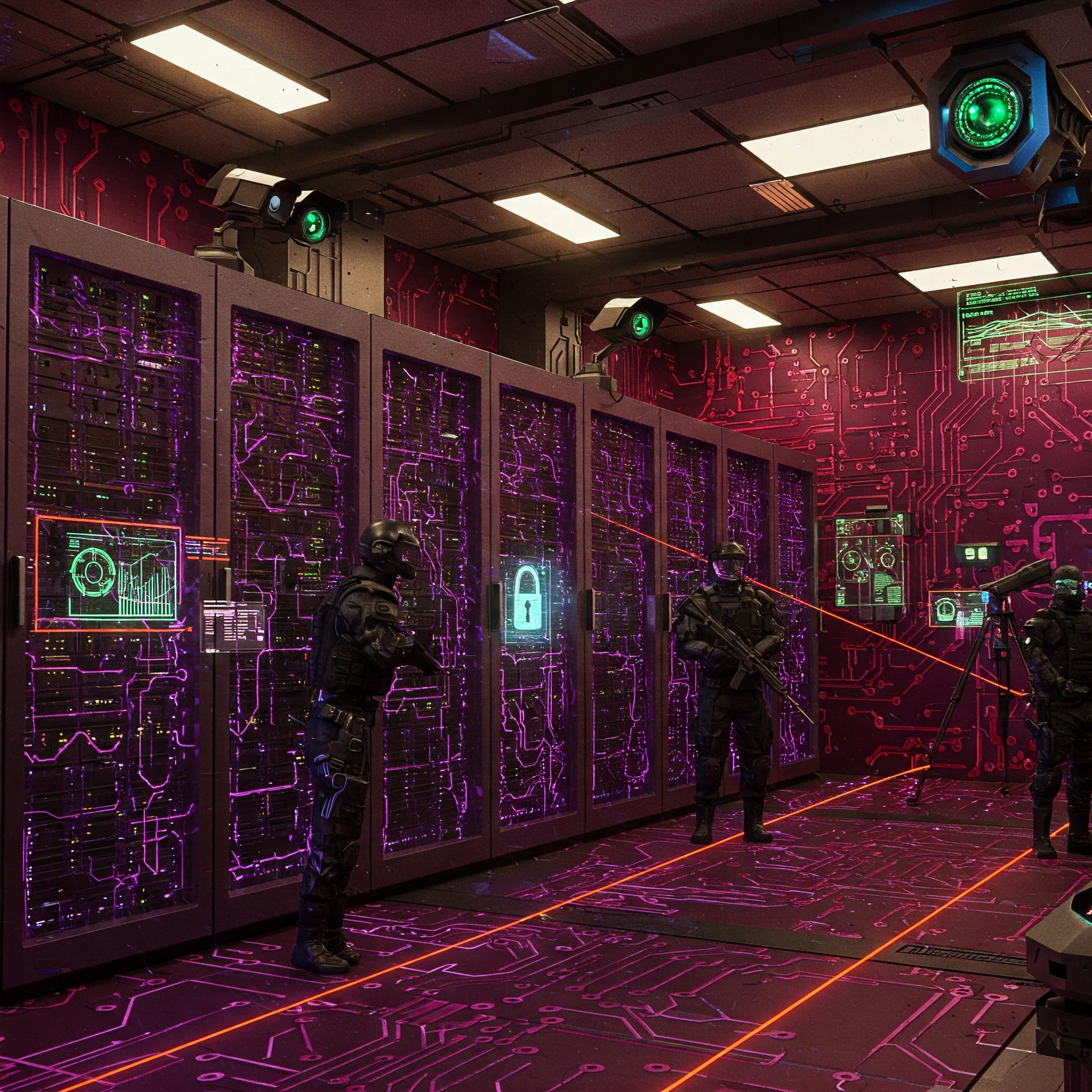
Government IT systems are the backbone of national operations—from managing defense logistics and public health databases to regulating the nation’s energy grids and water supplies. As the digital threat landscape becomes increasingly aggressive and sophisticated, the need for heightened security scrutiny and elevated clearance standards for the personnel operating these systems becomes more than a best practice; it becomes a national imperative.
Cybersecurity professionals understand that vulnerabilities in public systems can ripple out and destabilize not only government functions but also critical private sector infrastructure. In today’s interconnected digital environment, the weakest link in one domain can become the entry point for catastrophic attacks across multiple sectors.
Let’s explore why government IT systems need enhanced scrutiny, why personnel should meet higher security clearance standards, and how these factors directly affect the protection of critical infrastructure within the private sector.
The Rising Threat Landscape Targeting Government Systems
Cyberattacks targeting government networks are becoming more frequent, more sophisticated, and more damaging. Adversaries range from individual actors to nation-state-sponsored hacking groups. A report from Microsoft revealed that state-sponsored cyberattacks increased by 100% in 2023 alone[1]. These actors often aim to exploit government IT systems as launch pads for larger attacks or espionage campaigns.
A stark example is the SolarWinds breach, discovered in late 2020. Russian operatives injected malware into the company’s Orion software, which was widely used by U.S. government agencies. The breach went undetected for months and provided attackers deep access into networks at the Department of Homeland Security, Treasury, and Commerce[2]. This case exposed how deeply government and private sector systems are intertwined—and how damaging it can be when government IT isn’t properly secured.
Why Higher Scrutiny is Necessary
Standard commercial-grade security protocols are insufficient for government environments due to their unique sensitivity and the stakes involved. These systems manage:
- Classified military communications
- National intelligence
- Infrastructure command and control
- Emergency response coordination
- Citizen identity databases
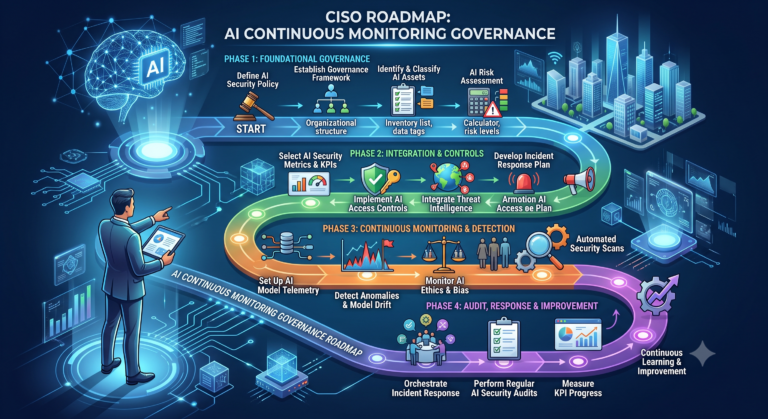
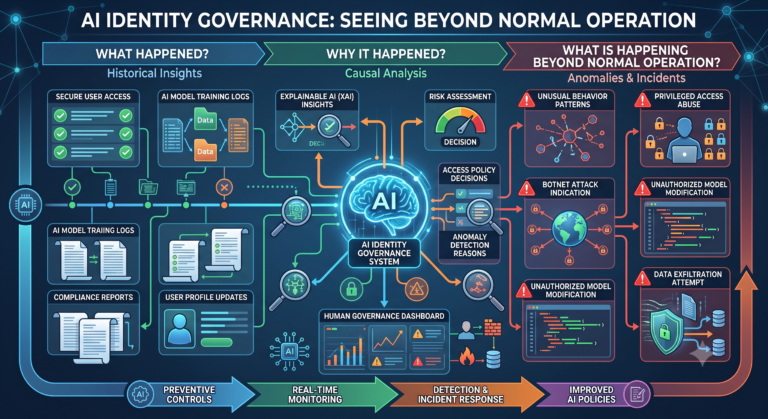
Such assets require layered, defense-in-depth security postures. Auditing, penetration testing, zero-trust architecture, endpoint detection, and continuous monitoring should be mandatory. Security scrutiny must be systematic, not episodic.
Beyond tools and technologies, security scrutiny includes the governance processes, risk management practices, and compliance with frameworks such as NIST SP 800-53 and FedRAMP. Unfortunately, implementation is often delayed or inconsistent, particularly among smaller agencies or contractors, which creates uneven layers of defense.
Clearance Requirements: More Than Just a Background Check
Granting individuals access to government IT systems should be treated as a national security issue. High-level security clearances are designed to ensure that the people managing sensitive systems are trustworthy, well-vetted, and continually monitored.
Clearances involve background investigations, financial history reviews, psychological assessments, and in some cases, polygraph tests. These measures are necessary to detect risks such as:
- Insider threats
- Foreign influence
- Coercion or blackmail potential
- Mishandling of classified data
The Office of Personnel Management (OPM) breach in 2015, which exposed the detailed security clearance records of over 21 million people, underscores how even administrative components of the clearance system can become high-value targets themselves[3].
Moreover, clearance renewals and continuous evaluation mechanisms (CE) help identify changes in behavior or circumstances that could indicate an increased risk. In a volatile geopolitical landscape, these safeguards are essential.
Interdependence With the Private Sector
The line between public and private infrastructure is increasingly blurred. Government systems often interact with or even rely on third-party vendors and private critical infrastructure providers for services such as:
- Electricity and power grid control
- Telecommunications
- Healthcare data exchange
- Defense supply chains
For example, the Colonial Pipeline ransomware attack in 2021 demonstrated how a private company managing critical infrastructure could become a national crisis when hit by cybercriminals[4]. Although the attack didn’t originate from a government system, the response had to be coordinated through multiple government agencies—underscoring the need for seamless cybersecurity integration between sectors.
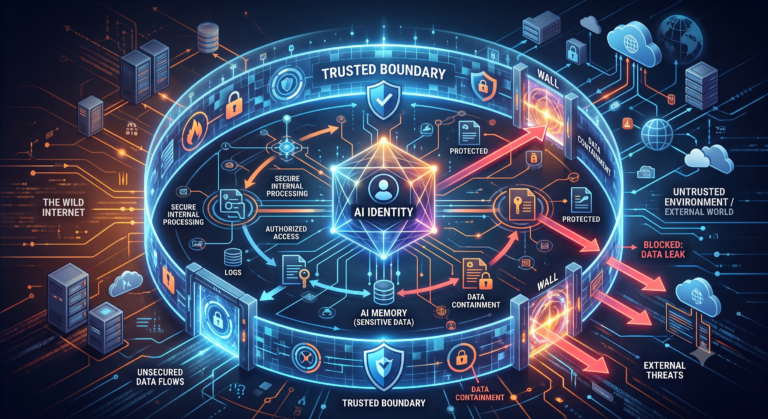
Weak security standards or insufficient personnel vetting in public systems could be exploited to disrupt private sector operations. Attackers do not distinguish between government and private targets; they only see opportunities for access and disruption.
Supply Chain Risks and Government Contractors
Many government systems are supported or entirely built by private-sector contractors. These vendors often have elevated privileges to sensitive networks, yet the standards they must meet for personnel screening and cybersecurity practices vary significantly.
While some agencies enforce CMMC (Cybersecurity Maturity Model Certification) requirements for defense contractors, many civilian agencies have yet to implement similar rigor. This leaves gaping holes in supply chain security.
In the case of the SolarWinds attack, a third-party software vendor became the attack vector, but the consequences landed squarely on federal institutions. Without holding contractors to the same security clearance and scrutiny standards as direct government employees, the overall system remains vulnerable.
Recommendations for Strengthening Security Posture
To address the escalating threat environment and the interconnected nature of public-private infrastructure, the following measures should be prioritized:
- Mandatory security clearances for all personnel accessing classified or critical systems, regardless of whether they are direct employees or contractors.
- Zero-trust principles should be enforced across all government networks and extended to partner organizations.
- Cross-sector cybersecurity drills and incident response tabletop exercises should be regular practice.
- Unified federal standards for contractor security practices, including continuous personnel evaluation, should be mandated.
- Increased investment in automated auditing and threat detection, particularly in smaller agencies lacking advanced capabilities.
Why This Matters for National Stability
Cyberattacks are not isolated technical events; they are national security incidents with potential to cause widespread disruption. Imagine a ransomware attack locking down a state’s emergency response system during a natural disaster, or a supply chain exploit shutting down communications for military logistics. These scenarios are not theoretical—they are within the realm of possibility without proactive, preventive action.
By enforcing higher security scrutiny and clearance standards in government IT systems, we erect stronger barriers that help safeguard both public services and the private-sector infrastructure on which they depend.
Ultimately, the trust that citizens place in their government—and the smooth functioning of society at large—hinges on these unseen but critical cybersecurity decisions.
Future Posts in This Series
As part of this ongoing series on government cybersecurity and critical infrastructure protection, the following related topics will be explored:
- How Zero Trust Architecture Can Reinforce National Cyber Defenses
- The Role of FedRAMP in Securing Government Cloud Environments
- Protecting the Cyber Supply Chain: Standards and Gaps
- Bridging the Cybersecurity Workforce Gap in the Public Sector
- How Public-Private Partnerships Can Strengthen Critical Infrastructure Defense
References Cited:
- Microsoft Digital Defense Report 2023 – https://www.microsoft.com/en-us/security/security-insider/microsoft-digital-defense-report-2023Microsoft+4Microsoft+4Microsoft+4
- SolarWinds Cyberattack Demands Significant Federal and Private-Sector Response – https://www.gao.gov/blog/solarwinds-cyberattack-demands-significant-federal-and-private-sector-response-infographicGAO+1GAO+1
- Cybersecurity Resource Center – OPM – https://www.opm.gov/cybersecurity-resource-center/U.S. Office of Personnel Management+2U.S. Office of Personnel Management+2U.S. Office of Personnel Management+2
- The Attack on Colonial Pipeline: What We’ve Learned & What We’ve Done Over the Past Two Years – https://www.cisa.gov/news-events/news/attack-colonial-pipeline-what-weve-learned-what-weve-done-over-past-two-years
About The Author