The Federal Risk and Authorization Management Program (FedRAMP) has transformed the way the U.S. government approaches cloud security since its inception. Born out of necessity in an era of rapid technological change, FedRAMP emerged to standardize security assessments for cloud service providers (CSPs) working with federal agencies. As we trace its evolution from 2011 to today, March 20, 2025, it’s clear that FedRAMP has made significant strides, yet it faces growing pains. With technology advancing at breakneck speed, questions linger about its current effectiveness and the adjustments needed to keep pace. Fortunately, automation offers a promising path forward, both for CSPs navigating the process and for FedRAMP itself in validating security. Let’s explore how this program started, where it stands now, and how technology could reshape its future.
How it Started and How it’s Going
FedRAMP kicked off in December 2011, driven by the Office of Management and Budget (OMB) through a policy memo that sought to streamline cloud adoption under the Federal Information Security Management Act (FISMA). Before FedRAMP, agencies managed their own security assessments, leading to duplicative efforts, inconsistent standards, and wasted resources. The General Services Administration (GSA) stepped in, establishing the FedRAMP Program Management Office (PMO) in June 2012 to create a unified framework. Drawing from the National Institute of Standards and Technology (NIST) SP 800-53 controls, FedRAMP introduced a “do once, use many times” philosophy, allowing CSPs to secure a single authorization reusable across agencies. Initially, this was a game-changer, accelerating cloud adoption while prioritizing security for unclassified federal data.
Fast forward to today, and FedRAMP has matured significantly. The FedRAMP Authorization Act, signed into law in December 2022 as part of the FY23 National Defense Authorization Act, codified its role as the authoritative standard for cloud security assessments. The program now oversees a marketplace of over 300 authorized cloud service offerings (CSOs), supported by the Joint Authorization Board (JAB) and a network of Third-Party Assessment Organizations (3PAOs). Continuous monitoring ensures CSPs maintain security post-authorization, while designations like “FedRAMP Ready” and “Authorized” guide agencies in selecting trusted providers. However, as cloud technology evolves—think artificial intelligence, serverless computing, and hybrid environments—FedRAMP’s original framework shows signs of strain.
Improvements Needed
Is FedRAMP still effective? Yes, but with caveats. It undeniably provides a robust baseline for securing cloud services, as evidenced by its widespread adoption across federal agencies. For instance, giants like Amazon Web Services (AWS) and Microsoft Azure hold FedRAMP High Provisional Authorizations to Operate (P-ATOs), demonstrating its relevance for mission-critical systems. Yet, cybersecurity professionals point to inefficiencies. The authorization process remains time-intensive, often taking 12-18 months, and relies heavily on manual documentation and review. Recent workforce cuts at GSA, reported by MeriTalk on March 20, 2025, raise further concerns about capacity. Moreover, the static nature of some NIST controls struggles to address dynamic threats like zero-day exploits or supply chain attacks, leaving gaps that modern CSPs must navigate independently.
To stay relevant, FedRAMP needs adjustments. First, it must adapt its security controls to emerging technologies. For example, serverless architectures demand real-time monitoring rather than periodic assessments, while AI-driven systems require new risk models. Second, the program should prioritize reciprocity with other frameworks, such as the Department of Defense’s Cloud Computing Security Requirements Guide (SRG), to reduce redundancy for CSPs serving multiple government sectors. Finally, speeding up authorizations is critical—agencies need secure cloud solutions faster than ever, especially as cyber threats escalate. Transitioning from a compliance-heavy model to one focused on outcomes could make FedRAMP more agile.
Automation Necessary
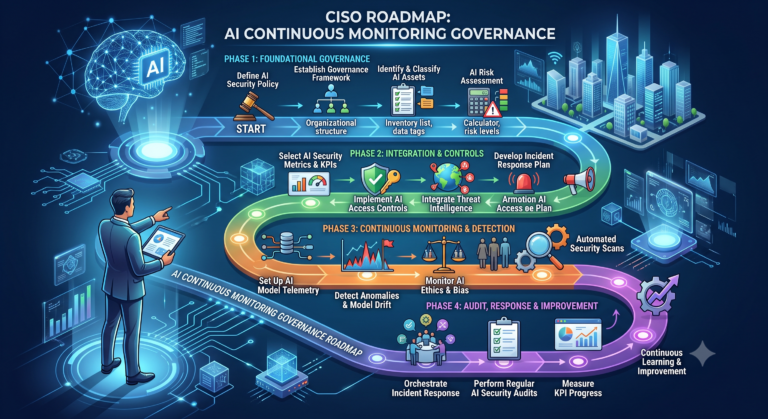
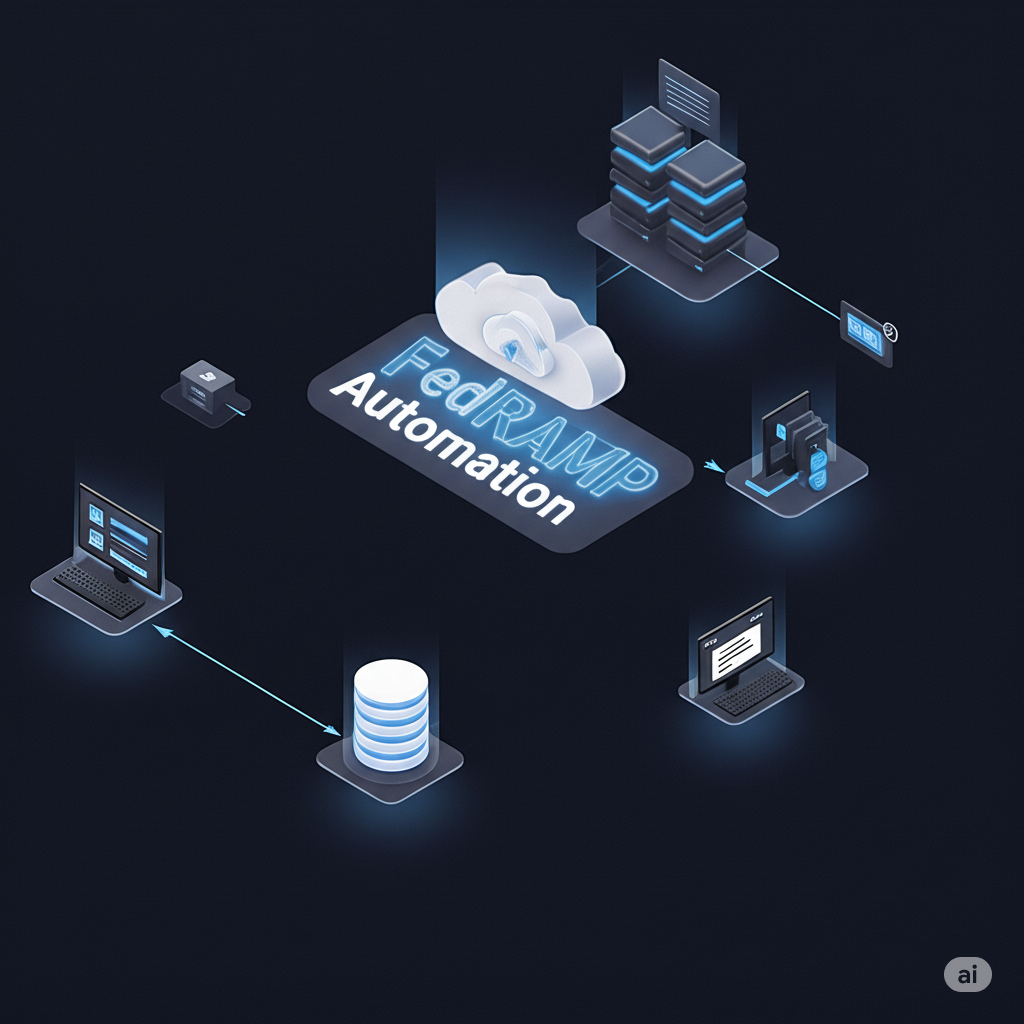
Here’s where technology, particularly automation, steps in as a game-changer for CSPs. Building FedRAMP documentation—like the System Security Plan (SSP) or Plan of Action and Milestones (POA&M)—is a Herculean task, often spanning hundreds of pages. Tools leveraging the Open Security Controls Assessment Language (OSCAL) can streamline this. OSCAL enables CSPs to generate machine-readable security plans, automatically mapping controls to NIST standards. Companies like AWS already use automation to produce consistent, error-free documentation, slashing preparation time. Preparing a system for audit also benefits—automated configuration management tools, such as Ansible or Terraform, harden systems to FedRAMP baselines, ensuring compliance before 3PAOs arrive. For continuous monitoring, CSPs deploy solutions to scan for vulnerabilities monthly, feeding data directly into FedRAMP’s repository. This active approach reduces manual oversight and keeps security current.
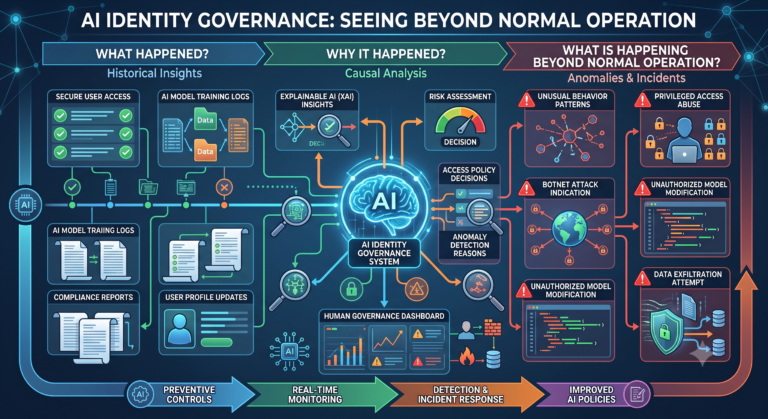
FedRAMP itself can harness automation to validate CSP submissions more efficiently. The GSA’s “FedRAMP 2025” model, set to be unveiled on March 24, 2025, aims to shift from manual reviews to automated security validations, according to posts on X from @ddimolfetta. Imagine a platform where CSPs upload OSCAL-formatted packages, and AI-driven tools cross-check controls against FedRAMP requirements in real time. The FedRAMP PMO is already piloting such systems, integrating with governance, risk, and compliance (GRC) platforms to scale operations. Automated workflows could flag discrepancies instantly, cutting review times from months to weeks. Additionally, machine learning could analyze continuous monitoring data—scans, logs, and POA&M’s. This is in order to predict risks, empowering authorizing officials with actionable insights. By centralizing post-authorization monitoring, as outlined in the 2024 FedRAMP Roadmap, the program could offload repetitive tasks from agencies, enhancing consistency.
Human Readiness
Of course, automation isn’t a silver bullet. Human expertise remains essential for nuanced risk decisions, especially for high-impact systems handling sensitive data. Over-reliance on tools could miss context-specific threats, and not all CSPs—particularly small businesses—have the resources to adopt cutting-edge automation. FedRAMP must balance innovation with accessibility, offering training and tools to level the playing field. Moreover, integrating automation requires upfront investment, a challenge given recent budget constraints at GSA.
Looking ahead, FedRAMP’s evolution hinges on embracing technology while refining its core mission. Its early days laid a foundation for secure cloud adoption, and today’s framework still protects federal data effectively. Yet, the future demands agility. By automating documentation, audits, and monitoring, CSPs can meet FedRAMP’s rigorous standards faster. Simultaneously, FedRAMP can leverage these same tools to validate security with precision and speed, ensuring agencies access cutting-edge cloud solutions without delay. The program’s success will be measured not just by compliance, but by how seamlessly it bridges government needs with industry innovation.
References Cited:
- FedRAMP.gov, “Program Basics,” 2022.
- GSA.gov, “FedRAMP Overview,” 2024.
- OMB, “FedRAMP Authorization Act,” 2022.
- NIST SP 800-53, Revision 5.
About The Author