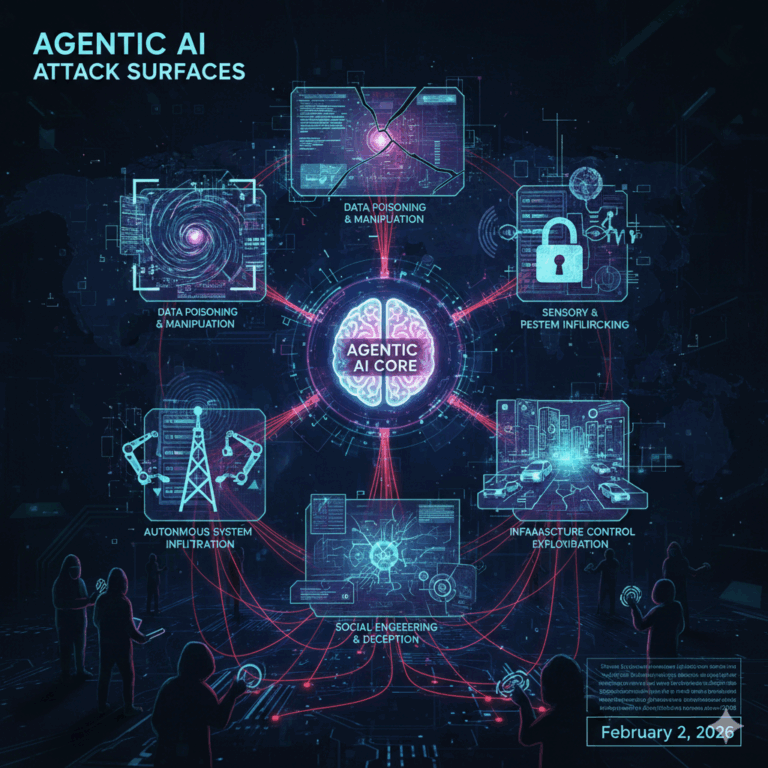
When major nations are at war, cybersecurity concerns intensify as state-sponsored cyberattacks surge. Governments, critical infrastructure, and private sectors become prime targets. This article, part of our series on wartime cybersecurity, explores how conflicts amplify digital threats, focusing on the risks to national security and global stability.
Why Wars Amplify Cyber Threats
Conflicts between major powers create fertile ground for cyber aggression. Nations deploy advanced cyberweapons to disrupt adversaries, often targeting critical systems like energy grids or financial networks. For instance, during geopolitical tensions, state-backed groups like Russia’s Sandworm have launched attacks such as NotPetya, costing billions globally 1. These incidents highlight how wars escalate cybersecurity concerns, blurring lines between military and civilian targets.
- State-Sponsored Attacks: Nations fund hacker groups to destabilize enemies.
- Collateral Damage: Cyberattacks often spill over, affecting neutral parties.
- Hybrid Warfare: Cyber operations complement physical military actions.
Transitioning to specific risks, let’s examine how critical infrastructure becomes a focal point during wartime.
Critical Infrastructure Under Siege
Wartime cybersecurity concerns center heavily on critical infrastructure—power plants, water systems, and transportation networks. In 2022, Ukraine’s energy grid faced relentless cyberattacks from Russian actors, disrupting civilian life 2. Such attacks aim to cripple economies and erode public trust. Moreover, adversaries exploit vulnerabilities in outdated systems, which many nations struggle to modernize.
To mitigate these risks, organizations must prioritize:
- Regular vulnerability assessments.
- Real-time threat monitoring.
- Incident response planning.
However, protecting infrastructure alone isn’t enough. Next, we explore the rise of disinformation campaigns.
Disinformation as a Cyber Weapon
Wars amplify disinformation, a cyber tactic to manipulate public opinion and sow chaos. State actors spread false narratives via social media, undermining trust in governments. For example, during conflicts, fabricated reports of military victories or atrocities can destabilize societies. This tactic heightens cybersecurity concerns because it exploits digital platforms’ reach and anonymity.
Countering disinformation requires:
- Robust social media monitoring.
- Public awareness campaigns.
- Collaboration with tech companies.
Yet, disinformation is just one piece of the puzzle. Let’s consider the private sector’s vulnerabilities.
Private Sector in the Crosshairs
Businesses face heightened risks during global conflicts. Supply chains, financial systems, and intellectual property become targets for espionage or disruption. In wartime, hackers exploit distracted governments to attack corporations, as seen in increased ransomware incidents during geopolitical crises 3. These attacks underscore why cybersecurity concerns extend beyond public sectors.
To stay resilient, companies should:
- Strengthen endpoint security.
- Train employees on phishing detection.
- Back up critical data regularly.
Finally, let’s address the global ripple effects of wartime cyberattacks.
Global Stability at Risk
Cyberattacks during wars don’t respect borders, threatening international stability. A single attack on a global financial hub or internet infrastructure can trigger economic shockwaves. For instance, a 2023 report warned that a coordinated cyberattack on undersea cables could disrupt global communications 4. Such scenarios elevate cybersecurity concerns to a global priority, demanding international cooperation.
Nations must:
- Share threat intelligence.
- Develop cyber defense treaties.
- Invest in resilient infrastructure.
What’s Next in This Series?
This article is part of our series on wartime cybersecurity. Explore related topics to deepen your understanding:
- This Article: Cybersecurity in Times of War – Overview of the series.
- First Article: Protecting Critical Infrastructure – Strategies for securing vital systems.
- Second Article: Countering Disinformation – Tactics to combat false narratives.
- Third Article: Private Sector Defense – Corporate cybersecurity strategies.
- Fourth Article: International Cyber Cooperation – Global efforts to mitigate threats.
Stay tuned for our next piece on protecting critical infrastructure during conflicts.
References Cited:
- 1 Wired: NotPetya’s Global Impact
- 2 Reuters: Ukraine Energy Grid Attacks
- 3 Cybersecurity Dive: Ransomware Surge
- 4 CSIS: Undersea Cable Threats
About The Author