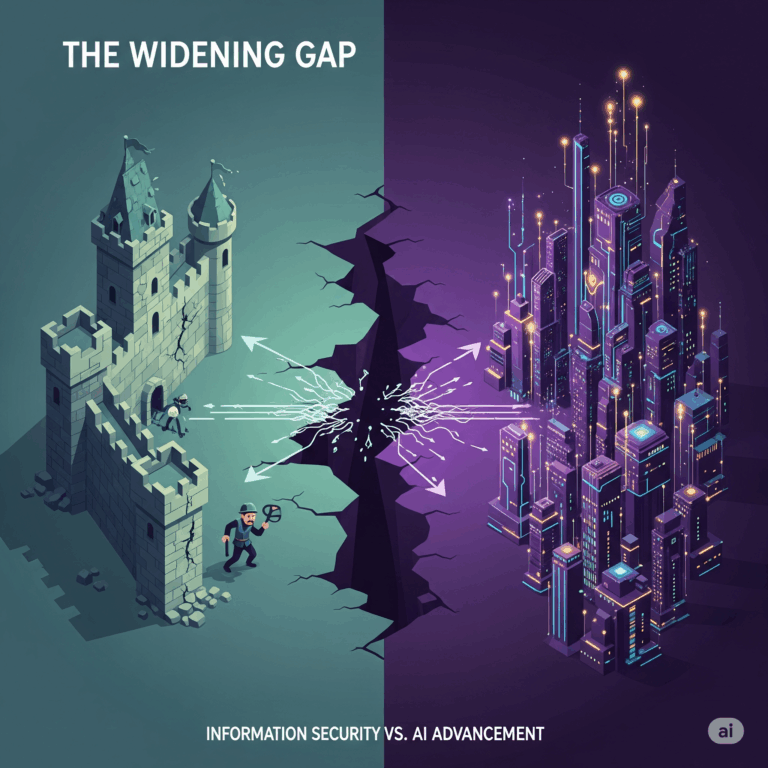

We are standing at a crossroads. Artificial intelligence isn’t just another technological wave—it’s a tsunami reshaping how we work, live, and protect our most valuable assets. But like every powerful tool, AI demands responsibility. The conversation around AI isn’t just about speed, efficiency, or automation. It’s about trust. It’s about security. And ultimately, it’s about building something that doesn’t just work, but works brilliantly.
AI: The Creator or the Consumer?
Right now, businesses are choosing between two paths—consume AI or create it. Some organizations are integrating AI-powered tools to enhance productivity, while others are building their own models to redefine industries. Both strategies hold promise, but here’s the reality: AI isn’t just about having access to new technology. It’s about knowing what to do with it.
The problem? Most companies are obsessed with the idea of AI but fail to recognize the complexities of using it securely. Building an AI model is exciting—but if you don’t have a strategy to protect the data flowing through it, you’re not innovating. You’re playing with fire.
Big Data, Bigger Risks
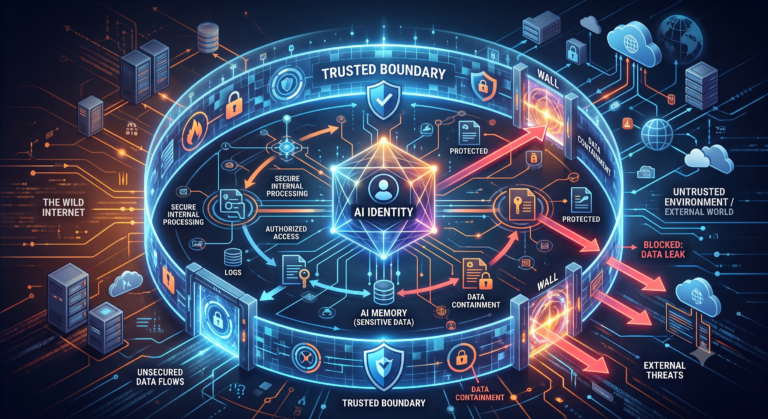
AI thrives on data. And we’ve been here before—big data, analytics, data lakes. But today, AI doesn’t just collect data. It interprets it. It connects the dots faster than we ever imagined. That’s power. But power without control? That’s a security disaster waiting to happen.
Without intelligent data governance—without tagging, encryption, and access control—AI becomes a liability. Companies that don’t secure their AI-driven data pipelines are sleepwalking into a future where private information is exposed, misclassified, or worse—weaponized. The security landscape isn’t evolving. It’s accelerating. The question isn’t whether AI will be exploited. It’s whether you’re ready for when it happens.
AI Governance: The Invisible Layer of Innovation
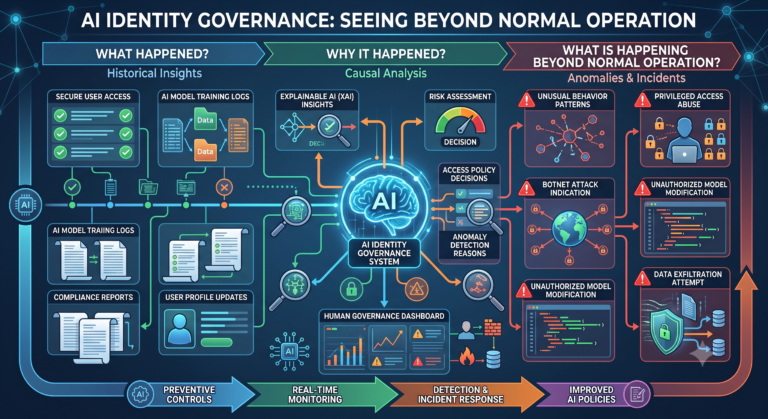
Great technology isn’t just about what you see—it’s about what you don’t see. AI security isn’t flashy, but it’s the foundation of everything that matters. Without governance, AI will collapse under its own weight.
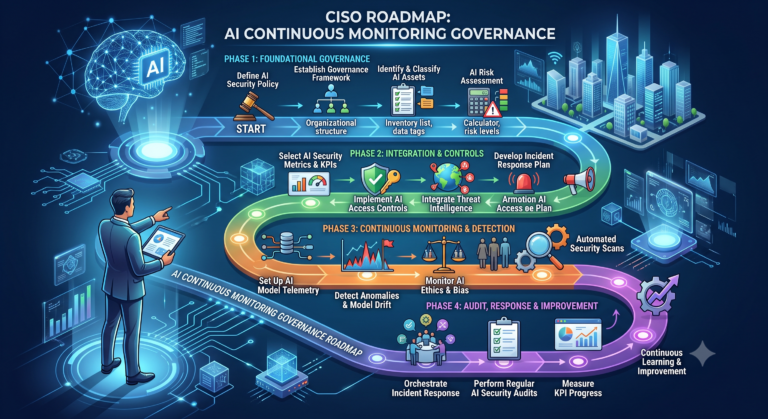
Tools like Microsoft Purview and AI risk management frameworks provide structure—an invisible layer of protection ensuring AI doesn’t just work but works securely. But let’s be clear: adopting these tools isn’t enough. The real challenge is execution. Too many companies treat AI security as an afterthought. That’s the mistake. Security isn’t an obstacle to AI innovation. It’s the enabler.
If you’re serious about AI, you need to get serious about governance. Because the companies that master AI security will be the ones defining the future.
Beyond IT: AI’s Responsibility to Society
AI isn’t just transforming cybersecurity. It’s reshaping healthcare, communication, and even human relationships. Imagine AI breaking down mental health stigmas, providing real-time support, and making care more accessible than ever before. That’s the promise. But it only works if we build AI with integrity.
The greatest mistake we can make is treating AI like a short-term productivity hack. AI is bigger than that. It has the power to shape the world for generations to come—but only if we create it with a sense of responsibility, transparency, and security.
The Future: Bold, Secure, and Ethical
The future of AI is not just about machine learning models or neural networks. It’s about trust. It’s about creating technology that doesn’t just exist—but truly matters. The companies that win in this space will be the ones that embrace security, prioritize governance, and understand that AI is not just another tool—it’s a revolution.
And like every revolution, there will be winners and losers. The difference? The winners will be the ones who don’t just chase AI innovation, but build it on a foundation of security, ethics, and purpose.
So the question is: are you ready to lead, or will you be left behind?
REFERENCES
AI Risk Management Framework – National Institute of Standards and Technology (NIST) (Link)
Microsoft Purview for AI Governance (Link)
FedNinjas Interview with Bertie Green (Link)
About The Author