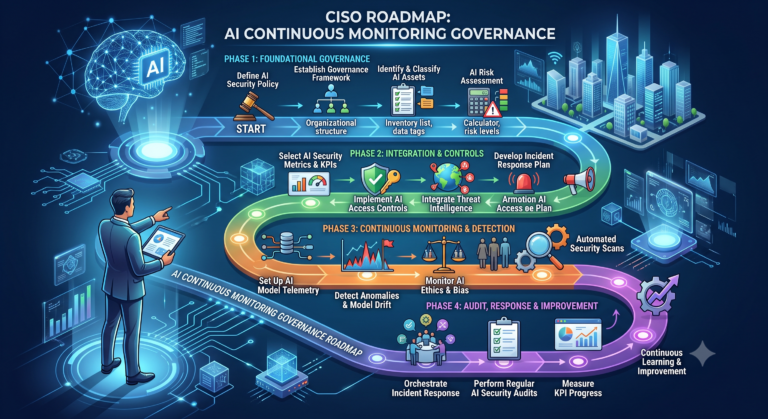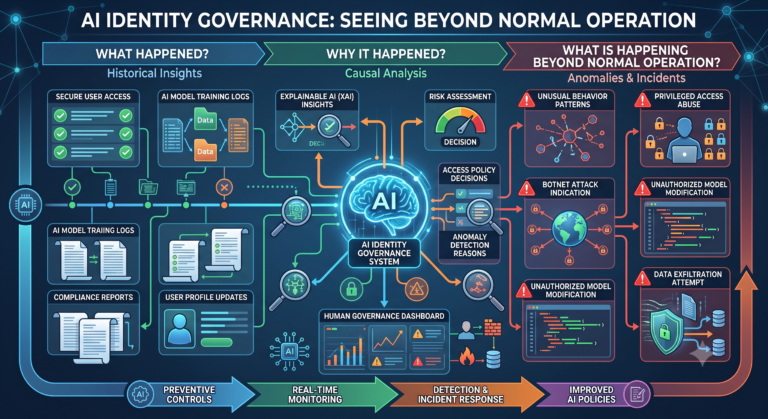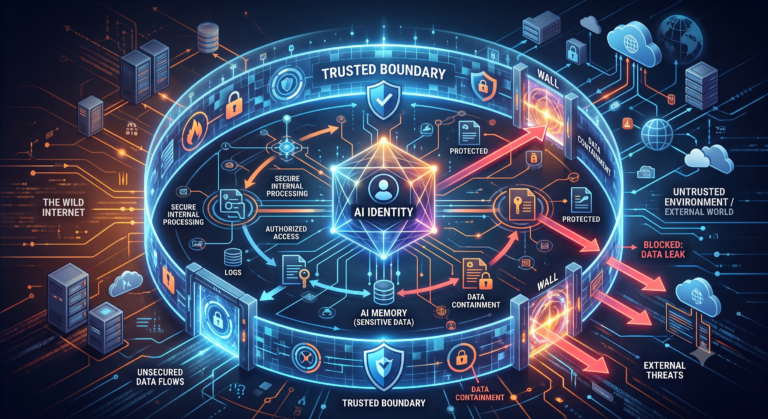
As technology continues to evolve, cybersecurity has become more than just an IT concern—it’s a key component of a company’s business strategy. Chief Information Security Officers (CISOs) play a critical role in making security a core part of daily operations rather than an afterthought. A strong cybersecurity culture helps reduce risks, minimize human error, and strengthen defenses against cyber threats.
This article explores actionable strategies CISOs can use to cultivate a cybersecurity-first mindset throughout their organization.
1. Lead by Example (read more)
A cybersecurity-first culture starts at the top. CISOs must not only advocate for cybersecurity but also demonstrate its importance through their own actions. This means adhering to best practices, emphasizing security in decision-making, and fostering a proactive approach to threat management.
Key Actions:
- Regularly communicate security updates and threats to executives and employees.
- Embed cybersecurity discussions into boardroom meetings.
- Make security a shared responsibility among leadership.
2. Establish a Security-First Mindset Across Departments (read more)
Cybersecurity cannot be siloed within IT; it must be an organization-wide initiative. Every department—finance, HR, marketing, and beyond—must understand the role they play in maintaining security.
Key Actions:
- Conduct department-specific security training tailored to different roles.
- Implement security champions within various teams to reinforce best practices.
- Encourage collaboration between security teams and other business units.
3. Make Cybersecurity Training Engaging and Continuous (read more)
One-time security training sessions are insufficient. Employees need regular, engaging, and updated cybersecurity training to stay ahead of emerging threats.
Key Actions:
- Use interactive, scenario-based training modules rather than passive lectures.
- Conduct simulated phishing attacks to assess and improve employee awareness.
- Reward employees who demonstrate exemplary security practices.
4. Encourage a Zero-Blame Culture (read more)
Employees are often hesitant to report security incidents for fear of retribution. A cybersecurity-first culture should focus on learning from mistakes rather than punishing them.
Key Actions:
- Create a safe space for reporting security concerns and potential breaches.
- Conduct post-incident reviews that focus on process improvement rather than assigning blame.
- Promote security awareness as a shared responsibility rather than an individual burden.
5. Integrate Security into Business Processes (read more)
Security must be embedded into everyday workflows rather than being seen as an add-on. Ensuring that cybersecurity aligns with business objectives helps foster a proactive security culture.
Key Actions:
- Implement security-by-design principles in product development and software procurement.
- Include security assessments in vendor evaluations and contract negotiations.
- Require multi-factor authentication (MFA) and secure access controls for all critical business applications.
6. Leverage Automation and AI for Cybersecurity (read more)
As cyber threats become more sophisticated, automation and AI-driven security tools can help reduce human error and increase efficiency in threat detection and response.
Key Actions:
- Deploy AI-driven threat detection tools to monitor network activity.
- Automate repetitive security tasks such as log analysis and patch management.
- Use behavioral analytics to detect and prevent insider threats.
7. Measure and Improve Cybersecurity Awareness (read more)
A successful cybersecurity culture requires ongoing measurement and improvement. CISOs should track key performance indicators (KPIs) to assess employee security awareness and policy effectiveness.
Key Actions:
- Conduct regular security audits and penetration testing.
- Use security metrics such as phishing click rates and incident response times to evaluate effectiveness.
- Collect employee feedback on security initiatives to make continuous improvements.
8. Align Cybersecurity with Compliance and Regulatory Requirements (read more)
Compliance with security regulations (such as GDPR, HIPAA, and NIST) should be seen as a foundation rather than an endpoint. CISOs must integrate compliance with broader security initiatives.
Key Actions:
- Regularly update policies to reflect changing compliance requirements.
- Conduct internal compliance training and risk assessments.
- Work closely with legal and compliance teams to ensure seamless security adherence.
9. Foster Collaboration Between Security and Business Teams (read more)
Cybersecurity should be viewed as a business enabler rather than a roadblock. Security teams must work closely with business units to ensure security solutions support, rather than hinder, productivity.
Key Actions:
- Integrate security requirements into digital transformation initiatives.
- Work with business leaders to balance security with usability.
- Regularly assess the impact of security measures on business operations.
10. Secure Leadership and Board Buy-In (read more)
A cybersecurity-first culture requires support from executive leadership and board members. Without their commitment, security initiatives will struggle to gain traction.
Key Actions:
- Present cybersecurity risks in business terms to gain executive buy-in.
- Show the return on investment (ROI) of security initiatives.
- Engage board members with real-world case studies on cyber incidents and their financial impact.
Conclusion
Building a cybersecurity-first culture requires continuous effort, strong leadership, and active engagement across all departments. By embedding security into the company’s DNA, CISOs can minimize risks, enhance resilience, and create a proactive security posture that protects both the organization and its customers.
The future of cybersecurity depends on a culture where security is everyone’s responsibility. By following these strategies, CISOs can pave the way for a safer and more resilient organization.
About The Author