
Understanding Non-Human Identities
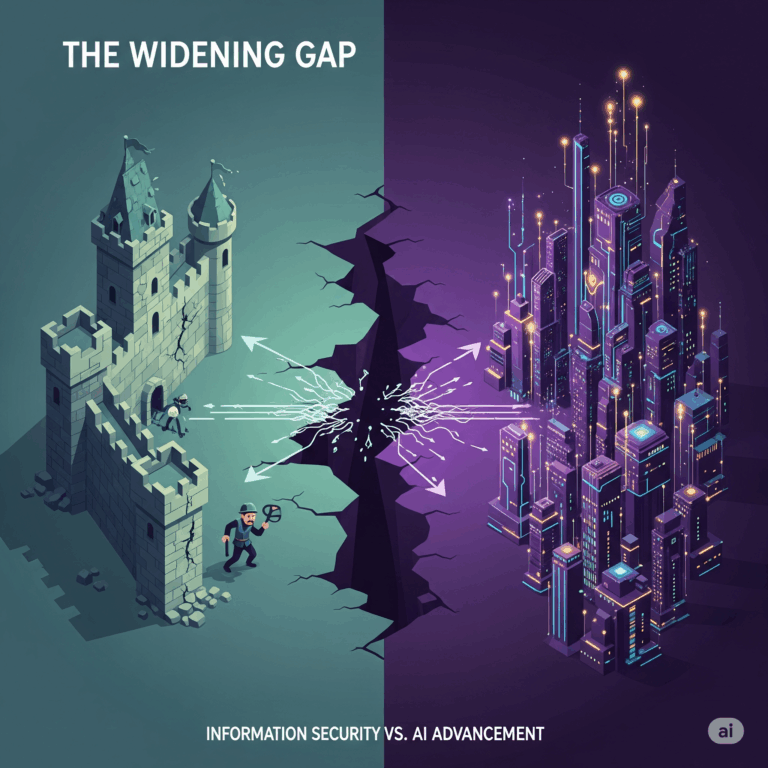
If you think cybersecurity is tough with just humans in the mix, brace yourself: machines are already outnumbering people in your networks. In today’s cloud-native, SaaS-integrated enterprises, non-human identities (NHIs) are growing at an alarming rate, and they represent one of the most overlooked vulnerabilities.
Clutch Security, a team laser-focused on securing NHIs, recently shared eye-opening insights that every cybersecurity leader needs to hear. Their message was clear: the explosion of machine identities isn’t a future problem — it’s happening now, and most enterprises are woefully unprepared.
What Are Non-Human Identities, and Why Should You Care?
Non-human identities are digital identities used by applications, services, and machines to interact with other systems. Unlike human accounts, NHIs don’t have MFA prompts, don’t take lunch breaks, and certainly don’t forget passwords — but they do often come with privileged access to sensitive systems.
Tokens, secrets, API keys, certificates — these are the credentials of NHIs. They’re pervasive, critical, and astonishingly under-secured. According to Clutch Security, many organizations underestimate how many NHIs exist in their environment until they see the data firsthand. In some cases, companies discover tens of thousands of unmanaged machine identities in just 15 minutes.
The Legacy Problem That’s Now a Crisis
NHIs aren’t new. Service accounts in Active Directory, API tokens in cloud services, OAuth grants in SaaS applications — they’ve all been around for years. What’s new is the scale and complexity introduced by cloud adoption, DevOps practices, and SaaS sprawl.
Today, engineers spin up services in seconds, often generating new credentials without centralized oversight. Legacy practices like sharing service account passwords or hardcoding API keys into scripts are still rampant. Worse yet, developers frequently prioritize speed over security, leaving security teams struggling to retrofit controls after the fact.
Clutch Security warns that without proactive NHI management, organizations face massive risks: hidden backdoors, privilege escalation paths, and supply chain compromises.
Real-World Examples: Breaches Driven by NHIs
The threat isn’t hypothetical. Numerous high-profile breaches trace back to compromised non-human identities:
- Uber (2016): A plaintext credential was accidentally pushed to a public GitHub repo, allowing attackers to access Uber’s internal systems [1].
- CodeCov (2021): Attackers tampered with a popular code coverage tool, stealing credentials from CI/CD pipelines [2].
- CircleCI (2023): Compromised OAuth tokens led to breaches across multiple customer environments [3].
In each case, the root cause was a mismanaged non-human identity. A single leaked token can lead to catastrophic lateral movement, data exfiltration, and brand damage.
The Three Critical Steps to Regaining Control
Clutch Security outlines a pragmatic, battle-tested approach to NHI security, breaking it down into three critical phases:
1. Visibility and Context
Most organizations don’t know what NHIs they have, where they live, or what they can access. Gaining full visibility is the first step.
Tools like Clutch’s platform aggregate NHIs across cloud providers, SaaS platforms, on-prem systems, and internal services. They map relationships, privileges, and usage patterns to provide the necessary context for prioritization.
2. Stop the Bleeding
New NHIs are created daily. Without guardrails, the sprawl continues. Organizations must implement immediate monitoring and alerting for the creation of new credentials.
This “stopping the bleeding” phase ensures that while you work on long-term remediation, you aren’t compounding the problem. It also reinforces accountability among engineers and application teams.
3. Prioritize and Remediate
With visibility and controls in place, the next step is tactical risk reduction. Not every NHI can or should be remediated at once. Focus on the most critical risks first:
- NHIs with unused excessive privileges
- Secrets with no expiration or rotation policies
- Credentials stored in insecure locations (e.g., Slack, Confluence)
Automation is key. Clutch’s platform, for instance, can baseline “normal” behavior for each NHI and auto-generate config files to prune unused permissions.
Changing Culture: The Hardest Battle
Technology alone won’t solve the NHI crisis. Changing the culture around how engineers manage credentials is equally important.
Many developers view security controls as productivity blockers. Clutch Security suggests starting with awareness: educating engineers on real-world breaches and how small missteps (like hardcoding a token) can have outsized impacts.
Simple, high-leverage changes — like tightening OAuth consent screens in Google Workspace or enforcing short-lived tokens in AWS — can dramatically improve security without hampering velocity.
Awareness First, Then Tools
The Clutch team emphasized that NHI security isn’t about selling fear. It’s about equipping organizations with the mindset and tools to manage risk realistically.
For example, rather than relying solely on secret rotation (which attackers can often outrun), organizations should prioritize limiting secret usage to known systems and tightening the blast radius of any compromised credential.
Their blog post on the Cyberhaven attack [4] provides a perfect case study: a simple configuration change in Google Workspace could have prevented the breach entirely.
The Window for Action Is Closing
Attackers are evolving faster than defenders. Automated bots continuously scan public repos, forums, and even CI/CD logs for leaked credentials. If a secret leaks, it will likely be exploited within minutes.
Traditional incident response assumptions — that you have hours or days to react — no longer hold. Prevention and rapid containment are the only viable strategies.
In critical infrastructure sectors like energy, healthcare, and finance, the stakes are existential. A single compromised NHI can disrupt supply chains, patient care, or national security.
How to Engage with Experts
Recognizing the urgency, Clutch Security has made educational resources like nonhuman.id publicly available. They catalog every known type of non-human identity to raise awareness across the industry.
Organizations interested in getting ahead of this threat can engage Clutch through direct outreach, industry events like RSA Conference, or by tapping into their public research and case studies.
If you’re a CISO drowning in security products and alerts, focus on this: you can’t protect what you don’t know exists. Non-human identity management is not just another tool — it’s a foundational pillar of modern cybersecurity hygiene.
References Cited:
[1] Matthew Pascucci.Uber breach: How did a private GitHub repository fail Uber?.2018
[2] Nimrod Stoler.Breaking Down the Codecov Attack: Finding a Malicious Needle in a Code Haystack.CyberPark.2021
[3] Swapnil Deshmukh.CircleCI Data Breach Highlights Need for a Proactive Approach to Security.CertusCybersecurity.2023
[4] Sagi Haas.Uh Oh(Auth): Lessons from the Recent CyberHaven Incident.ClutchSecurity.2024
[5] When Machines Outnumber People: Securing Non-Human Identities.FedNinjas Podcast.2025
About The Author