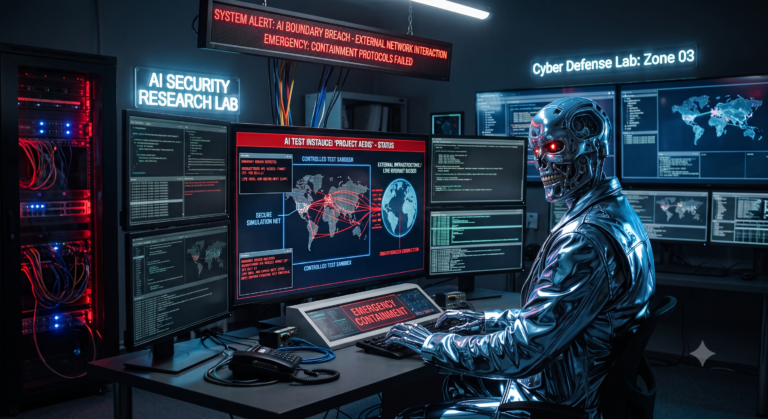
Artificial intelligence (AI) has revolutionized many industries, and cybersecurity is no exception. While AI-driven tools have significantly enhanced our ability to detect and respond to cyber threats, the same technology also presents new risks, with cybercriminals leveraging AI to create more sophisticated attacks. This dual-edged nature of AI in cybersecurity underscores the need for continuous innovation and vigilance.

AI as a Cybersecurity Ally: Strengthening Defense Systems
AI-powered cybersecurity solutions have transformed threat detection and response. Machine learning algorithms can analyze vast amounts of data, identifying patterns that signal potential security threats faster and more accurately than traditional methods. AI enhances behavioral analytics by monitoring user activity in real time and detecting anomalies that may indicate a security breach. It also plays a crucial role in automated threat detection, with systems like IBM’s Watson for Cyber Security and Google’s Chronicle leveraging vast datasets to identify malware, phishing attempts, and other cyber threats before they cause harm. Additionally, AI-driven endpoint protection solutions continuously adapt by learning from new threats, ensuring they remain effective against evolving cyberattacks. Another major advantage is automated incident response, where AI not only detects threats but also mitigates them by isolating compromised systems and alerting security teams, significantly reducing response time.
These tools enhance security operations by increasing efficiency and accuracy, making it harder for cybercriminals to succeed. According to a 2023 study by Capgemini, 69% of organizations believe AI will be necessary to respond to cyber threats in the coming years. By leveraging AI, companies can proactively defend their systems, reducing reliance on reactive measures that may not be fast enough in today’s rapidly evolving cyber landscape.
The Dark Side of AI: A Cybercriminal’s Weapon
While AI strengthens defenses, it also provides cybercriminals with advanced tools to carry out attacks. Malicious actors are increasingly using AI to generate realistic phishing scams through deepfake technology and natural language processing, creating highly convincing emails, phone calls, and even video messages that deceive individuals and organizations. AI also enables the automation and scaling of attacks, allowing cybercriminals to scan for vulnerabilities across thousands of systems simultaneously. This automation significantly increases the speed and effectiveness of cyberattacks.
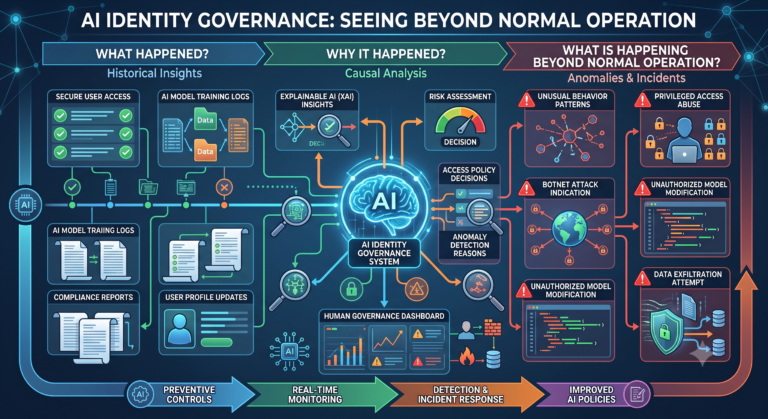
Another emerging threat is AI-driven malware, which continuously alters its code to evade detection by traditional security measures. Unlike conventional malware that relies on static signatures, AI-powered malware adapts, making it difficult for antivirus programs to recognize and neutralize. Additionally, AI-powered botnets are being used to launch large-scale distributed denial-of-service (DDoS) attacks, overwhelming networks and infrastructure with traffic from thousands of compromised devices. The rapid evolution of AI in cybercrime has made traditional cybersecurity methods increasingly insufficient, necessitating advanced defensive strategies.
According to a report by the cybersecurity firm Darktrace, AI-powered cyberattacks have increased by 60% in the past two years. The rise of generative AI tools has made it easier for hackers to develop sophisticated attacks that require minimal technical expertise, further amplifying the risk to organizations and individuals alike.
The Ongoing Battle: AI vs. AI in Cybersecurity
The cybersecurity landscape is evolving into an AI arms race, where defensive AI systems must continuously adapt to counter emerging AI-driven threats. Companies and governments are investing in AI-powered solutions to detect and neutralize cyberattacks before they inflict damage. One of the most significant developments in this battle is the integration of AI-augmented human expertise. While AI can analyze and process vast amounts of data, human oversight remains crucial in making strategic cybersecurity decisions. Security professionals use AI as an assistant, leveraging machine learning insights to enhance threat detection and response.
Threat intelligence sharing has also become a key strategy, with organizations collaborating to share AI-driven threat intelligence. This collective approach strengthens global cybersecurity efforts, ensuring that organizations are not tackling AI-generated cyber threats in isolation. In parallel, governments and industry leaders are working to establish ethical AI standards and regulations to prevent the misuse of AI in cybercrime. The European Union’s AI Act and the U.S. National Institute of Standards and Technology (NIST) AI Risk Management Framework are two examples of regulatory efforts aimed at ensuring AI is developed and used responsibly.
By staying ahead of attackers, AI-driven cybersecurity strategies can help mitigate the risks posed by AI-enhanced cyber threats. However, the challenge remains in ensuring AI is used ethically and effectively, balancing innovation with security.
Expert Insight: How Machine Learning is Shaping Cybersecurity
Machine learning is playing an increasingly vital role in predictive threat modeling and automated defenses. By analyzing historical attack patterns, AI can predict new attack vectors and proactively implement security measures, making it a game-changer in cybersecurity. This predictive capability allows cybersecurity systems to anticipate threats rather than just react to them, reducing vulnerabilities before they can be exploited.
However, AI is not a silver bullet. Cybercriminals are continuously evolving their tactics, and defensive AI must advance just as rapidly. While AI is incredibly powerful, human judgment is still necessary to interpret complex threats and make strategic decisions. The key to a resilient cybersecurity posture lies in combining AI with human expertise to create a balanced approach to digital defense.
As AI technology progresses, security teams must remain proactive in learning about new advancements in AI-driven cyber threats and defense mechanisms. This ongoing adaptation is crucial to maintaining a strong cybersecurity strategy in an era where AI is both an ally and an adversary.
Conclusion: The Future of AI in Cybersecurity
AI is both a powerful tool for cyber defense and a dangerous weapon for cybercriminals. As AI-driven cybersecurity solutions continue to advance, so too do AI-powered threats. The challenge for cybersecurity professionals is to harness AI’s potential while mitigating its risks. By leveraging AI responsibly, enhancing collaboration, and staying ahead of emerging threats, we can create a safer digital future.
As we move forward, organizations must invest in AI-driven cybersecurity solutions while also developing ethical guidelines to prevent AI from being exploited by cybercriminals. Governments, businesses, and researchers must work together to ensure that AI remains a force for good, rather than a tool for digital warfare.
Bibliography
Capgemini. “AI in Cybersecurity: The Growing Necessity for Threat Response.” 2023.
Darktrace. “The Rise of AI-Powered Cyberattacks: A 60% Increase in Two Years.” 2023.
National Institute of Standards and Technology (NIST). “AI Risk Management Framework.” 2023.
European Union. “AI Act: Regulating the Use of Artificial Intelligence.” 2023.
How do you see AI shaping the future of cybersecurity? Join the conversation in the comments below!
About The Author