
The lights staying on, homes being heated or cooled, industries running – these fundamental aspects of modern life are underpinned by complex and interconnected energy infrastructure. From power generation plants and vast transmission networks to local distribution substations and smart grid components, the energy sector operates through a delicate balance of physical processes controlled and monitored by technology. At the heart of this operational technology landscape are OT devices, the silent guardians that directly interact with and manage the physical equipment responsible for delivering energy. Understanding the critical importance of OT devices in the energy sector is paramount, not just for ensuring reliable power delivery, but for safeguarding against disruptive and potentially catastrophic cyber threats.
Unlike traditional IT systems focused on data and information flow, Operational Technology (OT) systems are designed to monitor and control physical processes. In the energy sector, these include managing the flow of electricity, controlling turbines in a power plant, regulating pressure in pipelines, and operating switches in substations. The reliability and security of these OT devices are directly tied to the stability and safety of the energy grid itself. A compromise or failure in these systems can have immediate and severe physical consequences, ranging from localized power outages to widespread blackouts, equipment damage, and even environmental or human impact. Therefore, securing OT devices in the energy sector is a matter of national security and public safety, extending far beyond typical data protection concerns.
Understanding Operational Technology in Energy Systems
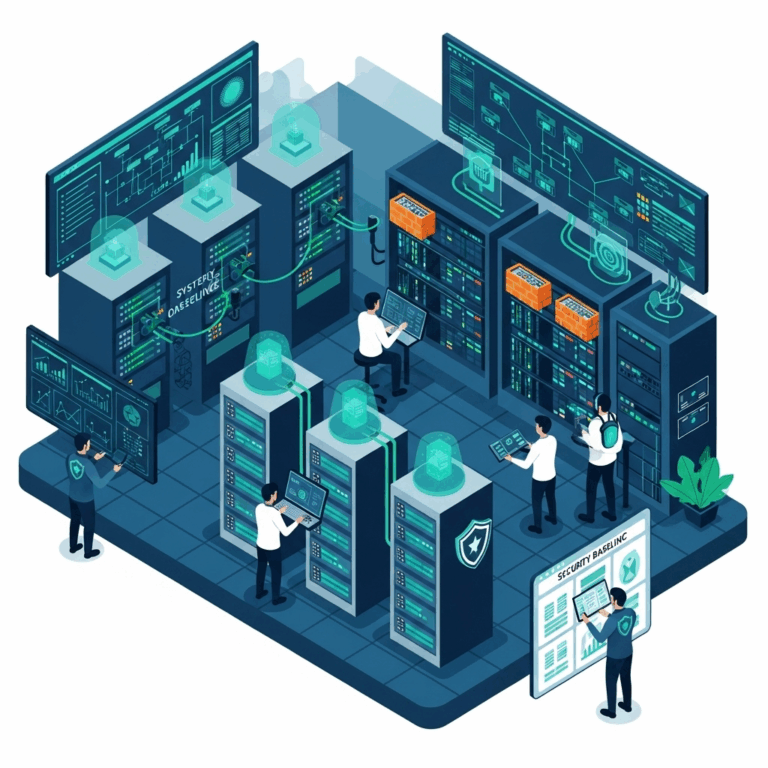
Operational Technology in the energy sector encompasses a wide range of systems and devices that control and monitor industrial processes. These are the components that make the physical grid function. Key examples include:
- SCADA (Supervisory Control and Data Acquisition) Systems: These overarching systems provide a centralized platform for monitoring and controlling large-scale industrial processes across geographical areas. Operators use SCADA to visualize grid status, issue commands to remote equipment, and collect performance data.
- PLCs (Programmable Logic Controllers): These are ruggedized industrial computers used to automate specific control functions within a power plant, substation, or other facility. They execute logic based on inputs from sensors and control actuators.
- RTUs (Remote Terminal Units): These devices connect physical equipment in remote locations (like substations or pipelines) to the SCADA system. They collect data from sensors and execute commands sent from the control center.
- IEDs (Intelligent Electronic Devices): These are modern digital devices used in substations and other power system facilities for protection, control, and monitoring. They perform functions like fault detection and isolation.
- Sensors and Actuators: Sensors collect data on physical parameters (voltage, current, pressure, temperature), while actuators perform physical actions (opening/closing switches, adjusting valve positions) based on control signals.
These devices often communicate using specialized industrial protocols designed for reliability and real-time performance, rather than the standard IP protocols common in IT. Their primary function is to ensure the safe, reliable, and efficient operation of the energy infrastructure. The specific design and operating requirements of these OT devices create unique considerations for their cybersecurity.
The Critical Role of OT Devices in Grid Operations
The continuous and reliable operation of the energy grid is fundamentally dependent on the proper functioning of OT devices. They are the hands and eyes of grid operators, enabling the precise control and monitoring required to maintain stability. Their roles include:
- Balancing Supply and Demand: OT devices in power plants monitor generation output and adjust it based on real-time demand from the grid.
- Managing Power Flow: Devices in transmission substations control switches and transformers to route power efficiently and respond to changes in grid conditions.
- Grid Stability: Protective relays and other IEDs automatically detect and isolate faults (like short circuits) to prevent cascading failures that could lead to blackouts.
- Monitoring Grid Health: Sensors and RTUs collect data on voltage, frequency, and equipment status, providing operators with the information needed to assess grid health and predict potential issues.
- Enabling Smart Grid Functions: Increasingly, OT devices are incorporating advanced communication and control capabilities to enable smart grid functions like distributed energy resource integration, demand response, and automated fault location.
Any disruption or compromise of these OT devices can directly impact the flow of energy. An attacker gaining control of PLCs in a power plant could force a shutdown. Compromising IEDs in a substation could lead to equipment damage or disruptions in power transmission. Interfering with SCADA systems could disable operators’ ability to monitor and control the grid. The direct link between the cyber state of OT devices and the physical state of the energy grid underscores their critical importance.
Connectivity and the Expanding Attack Surface
Historically, many OT systems in the energy sector were air-gapped, meaning they were physically isolated from external networks like the internet and even the corporate IT network. This physical separation provided a significant layer of security by limiting potential attack vectors. However, the drive for increased efficiency, remote management, data analytics, and IT/OT convergence has led to increased connectivity for many OT devices.
Connecting OT systems to IP networks enables remote monitoring, reduces the need for manual site visits, facilitates the collection of data for performance optimization, and supports the integration of renewable energy sources. While offering significant operational benefits, this connectivity also exposes previously isolated OT devices to the same cyber threats that target IT systems. The expanded attack surface includes:
- Remote Access Points: Connections established for remote maintenance or monitoring can be exploited if not properly secured.
- IT/OT Network Integration Points: The boundary between the corporate IT network and the OT network becomes a potential pivot point for attackers.
- Vulnerabilities in Connected Devices: OT devices, especially older ones, may have inherent vulnerabilities that become exploitable once they are network-accessible.
- Supply Chain Compromises: Connected devices or software updates could potentially carry malicious payloads introduced earlier in the supply chain.
Managing the security risks introduced by this increasing connectivity is a major challenge for the energy sector. The benefits of connectivity must be carefully weighed against the security implications, and robust measures must be put in place to protect the now-exposed OT devices.
Unique Security Challenges of OT Devices in Energy
Securing OT devices in the energy sector presents unique challenges that often differ significantly from securing traditional IT systems. The operational priorities and technical characteristics of OT environments necessitate specialized approaches:
- Legacy Systems: Many OT devices have operational lifespans measured in decades. They may run on outdated operating systems that are no longer supported or patched. Replacing them is often cost-prohibitive and disruptive.
- Real-time and Availability Requirements: OT systems often require continuous operation with zero downtime. Patching or scanning activities common in IT can disrupt critical processes and are often impossible without scheduled outages, which are difficult to arrange in critical infrastructure.
- Proprietary Protocols: Many OT devices communicate using specialized, non-IP based industrial protocols. Traditional IT security tools may not be able to understand or monitor this traffic effectively.
- Physical Environment: Some OT devices are located in harsh, remote, or physically challenging environments, making physical security, maintenance, and manual intervention difficult.
- Limited Compute Resources: Older or simpler OT devices may have very limited processing power or memory, preventing the installation of modern security agents or complex software.
- Safety Over Security: In OT environments, operational safety and reliability always take precedence over cybersecurity concerns if there is a conflict. Shutting down a system to patch a vulnerability might be deemed too risky if it could impact grid stability or endanger personnel.
- Lack of Visibility: Due to proprietary protocols and dispersed locations, gaining comprehensive visibility into all OT devices, their configurations, and communication patterns can be challenging.
These unique characteristics mean that IT security strategies and tools cannot simply be directly applied to the OT environment. Specialized knowledge, tools, and approaches are required to effectively secure OT devices in the energy sector.
Why Securing OT Devices is Paramount for Infrastructure Stability
The importance of securing OT devices in the energy sector cannot be overstated. A successful cyberattack targeting these systems can have far-reaching and severe consequences:
- Widespread Power Outages: Disrupting the control systems that manage power flow can lead to blackouts affecting large populations and critical services.
- Equipment Damage: Manipulating control signals can cause physical damage to expensive equipment like transformers, turbines, or generators, leading to long-term outages and significant repair costs.
- Environmental Damage: Attacks on systems controlling pipelines or industrial processes can lead to leaks, spills, or other environmental disasters.
- Physical Harm: Disrupting safety systems controlled by OT could potentially lead to physical injury or loss of life.
- Economic Disruption: Large-scale power outages cripple businesses, disrupt financial markets, and can have a significant negative impact on the national economy.
- Loss of Public Trust: Failure to secure critical infrastructure erodes public confidence in the reliability and safety of essential services.
- National Security Implications: The energy grid is a cornerstone of national security. Attacks on OT devices can undermine defense capabilities and critical government functions.
Given these potential consequences, securing OT devices is not just a technical challenge but a critical priority for national resilience. The potential impact of compromise elevates the need for robust security measures to the highest level.
Key Strategies for Defending Energy OT Devices
Defending OT devices in the energy sector requires tailored strategies that account for their unique characteristics and operational constraints. Effective defense involves a combination of technical controls, robust processes, and skilled personnel:
- Network Segmentation: Implementing strong network segmentation is fundamental. This involves creating logical or physical air gaps between the OT network and the IT network, as well as segmenting different zones within the OT network based on criticality and function. This limits the lateral movement of attackers if they gain initial access.
- Secure Remote Access: Strictly controlling and securing remote access to OT systems is vital. This includes using multi-factor authentication (MFA), implementing jump servers or secure gateways, and rigorously logging and monitoring all remote connections.
- Vulnerability Management: While patching can be challenging, organizations must identify and prioritize vulnerabilities in OT devices. This involves passive scanning or monitoring to discover devices and their vulnerabilities, and then carefully planning and executing patching or compensating controls during scheduled maintenance windows when possible.
- Continuous Monitoring and Detection: Implementing specialized OT security monitoring solutions is crucial. These tools can passively monitor industrial network traffic to identify unusual commands, abnormal data flows, or known attack patterns targeting OT protocols. Behavioral analysis is particularly effective here.
- Access Control: Enforcing strict physical and logical access controls to OT devices and systems. This includes limiting physical access to control rooms and facilities, using strong authentication for system access, and implementing the principle of least privilege.
- Incident Response Planning: Developing specific incident response playbooks for OT environments is essential. These playbooks must account for the unique technical characteristics of OT systems, the potential for physical impact, and the need for close coordination between IT security, OT engineers, and operational staff.
- Supply Chain Security: Ensuring the security of the OT device supply chain is paramount. This involves vetting vendors, verifying the integrity of hardware and software before deployment, and securely managing updates.
- Regular Security Assessments: Conducting regular security assessments, including vulnerability assessments and penetration testing (performed carefully and with expert knowledge of OT systems), to identify security weaknesses.
These strategies, implemented effectively, significantly enhance the security posture of OT devices and the critical infrastructure they control.
Regulatory Landscape and Compliance for Energy OT
Given the critical nature of the energy sector, securing OT devices is subject to significant regulatory oversight. In North America, the North American Electric Reliability Corporation (NERC) Critical Infrastructure Protection (CIP) standards are mandatory and enforceable. NERC CIP provides a comprehensive set of requirements for securing the Bulk Electric System (BES), which includes many critical OT devices. These standards cover areas such as security management, personnel and training, electronic security perimeters, physical security, system security management, incident response, and disaster recovery.
Adhering to NERC CIP requirements is a major focus for energy organizations operating within the BES. Beyond NERC CIP, other standards like the ISA/IEC 62443 series provide guidance on security for industrial automation and control systems, which are highly relevant to securing OT devices. Compliance with these regulations and standards is not just a legal obligation but a critical framework for building and maintaining a strong OT security program.
The Convergence of IT and OT Security
The increasing connectivity of OT systems is driving a convergence of IT and OT security. While the domains have traditionally been separate, the blurring lines necessitate closer collaboration and integration between IT security teams and OT engineering and operations staff.
IT security teams bring expertise in areas like network security, threat intelligence, and modern security technologies. OT staff possess deep knowledge of the operational processes, OT devices, and industrial protocols. Successful security for connected OT environments requires combining these skill sets. This convergence presents challenges in terms of differing priorities, technical understanding, and organizational structures, but it is essential for developing a unified and effective security strategy that covers both IT and OT domains. Leveraging IT security practices where applicable, while respecting the unique constraints and requirements of OT, is key to navigating this convergence securely.
The Future of OT Devices and Security in Energy
The landscape of OT devices in the energy sector is continuously evolving. We are seeing increased adoption of industrial IoT (IIoT) devices, edge computing in substations and remote sites, and the integration of AI for optimizing grid operations. These advancements bring new efficiencies but also introduce new security challenges.
The future of securing OT devices in the energy sector will involve:
- Continued Management of Legacy Systems: Organizations will need ongoing strategies to secure or isolate aging OT devices that cannot be easily replaced.
- Securing New Technologies: Developing and implementing security controls for IIoT and edge computing devices specifically designed for OT environments.
- Leveraging AI for OT Security: Utilizing AI and machine learning for advanced anomaly detection and behavioral analysis of OT network traffic and device behavior.
- Workforce Development: Addressing the critical shortage of professionals with expertise in both cybersecurity and OT systems.
- Standardization: Continued development and adoption of security standards tailored for OT environments.
The importance of OT devices to critical energy infrastructure will only grow as the grid becomes more distributed, dynamic, and intelligent. Ensuring their security requires continuous investment, innovation, and a collaborative approach that bridges the gap between IT and OT.
References Cited:
1 Cybersecurity & Infrastructure Security Agency (CISA). (n.d.). Control Systems Security. Retrieved from https://www.cisa.gov/topics/industrial-control-systems
2 National Institute of Standards and Technology. (2011). SP 800-82 Rev. 2, Guide to Industrial Control Systems (ICS) Security. Retrieved from https://csrc.nist.gov/publications/detail/sp/800-82/rev-2/final
3 North American Electric Reliability Corporation (NERC). (n.d.). Critical Infrastructure Protection. Retrieved from https://www.nerc.com/pa/ci/Pages/default.aspx
4 International Society of Automation (ISA). (n.d.). ISA/IEC 62443 Standards. Retrieved from https://www.isa.org/standards-publications/isa-standards/ansi-isa-iec-62443
5 Deloitte. (n.d.). Connecting IT and OT security: How to converge without collision. Retrieved from https://www2.deloitte.com/us/en/pages/energy-and-resources/articles/connecting-it-ot-security.html
About The Author