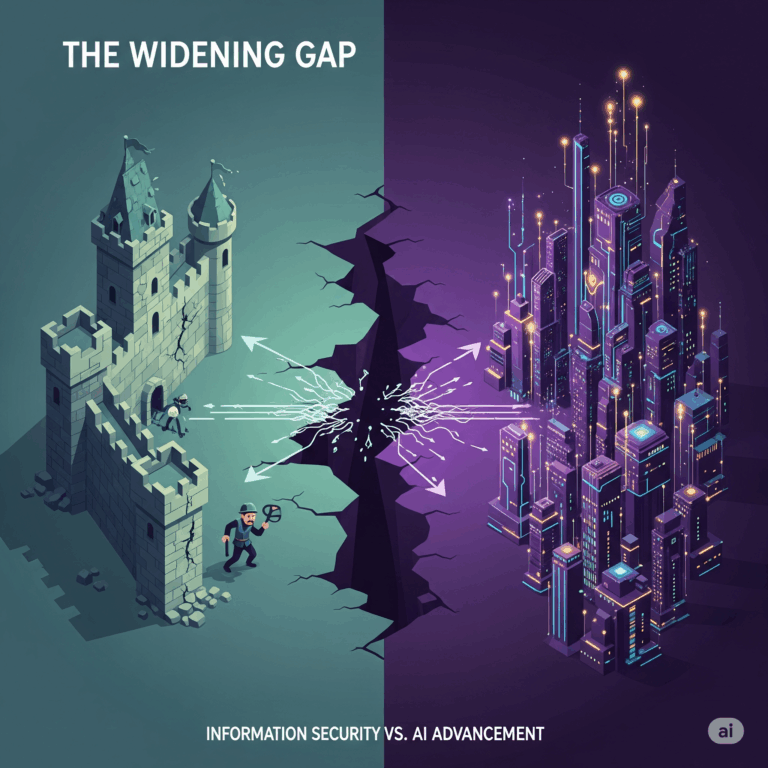
The future of cybersecurity is not just about better firewalls or AI-driven threat detection; it is about the people who will operate these systems. Yet, a critical challenge remains: how do we train the next generation of cybersecurity professionals and, more importantly, keep them engaged?
The Urgent Need for Cybersecurity Talent
The global demand for cybersecurity professionals continues to outpace supply. According to Cybersecurity Ventures, there will be 3.5 million unfilled cybersecurity jobs by 2025. Organizations across industries—financial institutions, healthcare, government agencies—are scrambling to find skilled workers who can navigate the increasingly sophisticated cyber threat landscape.
Yet, the issue is not simply one of supply and demand. The younger generation, raised in a digital world, has the potential to fill these roles, but traditional training methods often fail to capture their interest. Cybersecurity education must evolve to remain relevant and engaging.
The Problem with Traditional Cybersecurity Training
The existing cybersecurity training model is heavily reliant on textbooks, outdated case studies, and dry theoretical lectures. This approach, while providing foundational knowledge, fails to engage digital-native learners. Gen Z and Millennials are accustomed to interactive learning environments, on-demand content, and gamification.
Studies indicate that engagement in cybersecurity training drops significantly when the content is not relatable. According to the National Initiative for Cybersecurity Education (NICE) report by the National Institute of Standards and Technology (NIST), students in cybersecurity programs feel that the curriculum does not align with real-world applications (NIST, 2022). This misalignment is a significant factor in the high dropout rates from cybersecurity programs
How Do We Keep the Next Generation Interested?
1. Gamification and Interactive Learning
Cybersecurity is a battlefield, and young professionals learn best when placed in real-world scenarios. Gamification in cybersecurity training, through Capture The Flag (CTF) competitions and cyber ranges, makes learning fun and engaging. Platforms like Hack The Box and TryHackMe have already proven that interactive, challenge-based learning keeps students interested.
A study by the SANS Institute found that students who engaged in cybersecurity challenges performed 67% better in practical assessments than those who only studied through traditional methods. By integrating real-time feedback, leaderboards, and competitive elements, training programs can drive deeper engagement and learning retention.
2. Hands-on Experience Through Internships and Apprenticeships
Classroom learning can only go so far. Young professionals want real-world experience. Companies that provide cybersecurity internships or apprenticeship programs allow students to work on live networks, analyze threats, and develop practical solutions. Organizations like IBM and Google have successfully implemented cybersecurity apprenticeship programs, drawing thousands of applicants every year.
By allowing students to interact with real-world cybersecurity challenges early in their careers, organizations ensure that theoretical knowledge is supplemented with valuable hands-on experience.
3. Leveraging AI and VR in Cybersecurity Training
Artificial intelligence and virtual reality are transforming cybersecurity education. AI-driven platforms can personalize training programs, identifying a learner’s strengths and weaknesses to create a customized training plan.
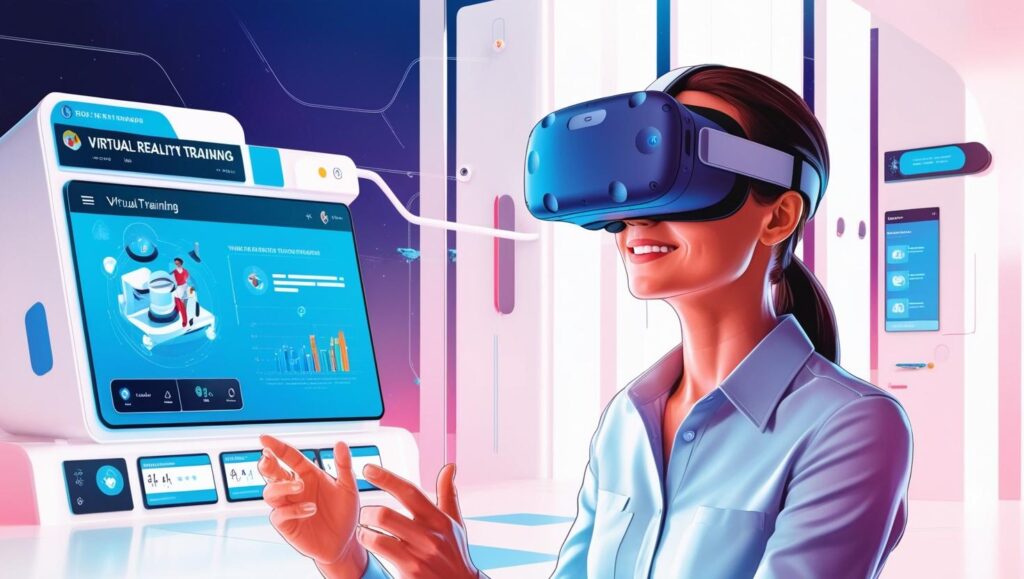
Virtual reality (VR) takes this a step further. Imagine a cybersecurity student putting on a VR headset and stepping into a simulated SOC (Security Operations Center), responding to a simulated cyber attack. Such immersive experiences provide deeper engagement than reading case studies.
Research from PwC shows that VR-based training is four times faster than traditional classroom training and improves retention rates by 75%. If we want to keep the next generation interested, immersive learning must become a key pillar of cybersecurity education.
The Role of Private Sector and Government Initiatives
Governments and private organizations must step up to bridge the cybersecurity skills gap. Initiatives such as CyberPatriot (a youth cybersecurity competition sponsored by the U.S. Air Force) and partnerships between educational institutions and tech companies are already making an impact.
However, more needs to be done. Companies should actively collaborate with universities to create modern cybersecurity curricula. Governments must offer incentives for students to pursue careers in cybersecurity, including scholarships and grants.
The Future of Cybersecurity Training: A Data-Driven Approach
Let’s examine the numbers. Below is a projected trend of cybersecurity job openings versus available professionals from 2020 to 2030:
As we see a widening gap between demand and supply, it becomes even more critical to adapt our training methods. Organizations that invest in modern training techniques will be the ones to close this gap.
Final Thoughts
Keeping the next generation interested in cybersecurity is not just an education problem—it is an industry-wide challenge. By embracing gamification, hands-on learning, AI-driven personalization, and immersive technologies like VR, we can make cybersecurity training more engaging and effective.
The digital battlefield of tomorrow will be won by those who are best prepared today. The question is not just whether we can train the next generation but whether we can inspire them to lead in the ever-evolving world of cybersecurity.
References Cited:
- Cybersecurity Ventures. “Cybersecurity Jobs Report: 3.5 Million Unfilled Positions In 2025.” 2021.
- National Institute of Standards and Technology (NIST). “Cybersecurity Workforce Study.” 2022.
- SANS Institute. “Effectiveness of Gamified Cybersecurity Training.” 2021.
- PwC. “The Impact of Virtual Reality on Learning and Retention.” 2020.
About The Author