
As a small business owner, you’re well aware of the importance of protecting your company from cyber threats. With the average cost of a data breach reaching $3.92 million, it’s essential to have the right cybersecurity measures in place. One crucial aspect of this is cyber insurance. But what exactly does cyber insurance cover, and how can it benefit your small business? In this article, we’ll delve into the world of cyber insurance for small businesses, exploring what gets you covered and why it’s essential for your organization’s protection.
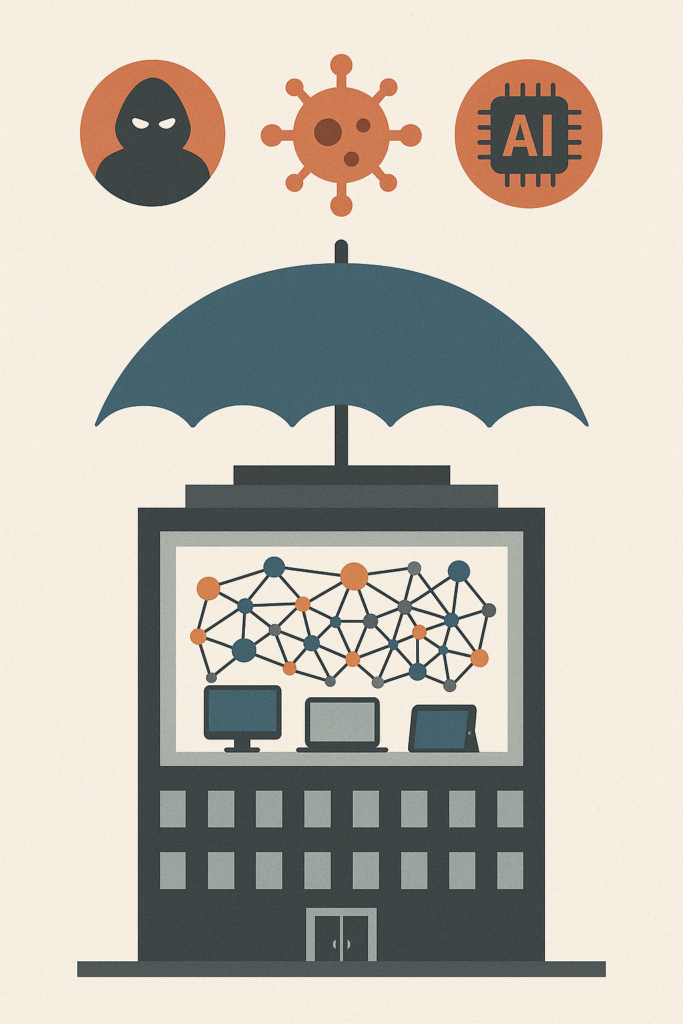
What is Cyber Insurance?
Cyber insurance, also known as cyber risk insurance or cyber liability insurance, is a type of insurance that protects businesses from the financial consequences of cyber-attacks, data breaches, and other cyber-related incidents. This insurance coverage helps to mitigate the risks associated with cyber threats, including legal fees, notification costs, and reputational damage.
In simple terms, cyber insurance provides financial protection against the devastating effects of a cyber-attack. It’s essential for small businesses, as they often lack the resources to recover from a significant cyber incident.
What Does Cyber Insurance Cover?
Cyber insurance policies typically cover a range of cyber-related risks, including:
- Data breaches and unauthorized access to sensitive information
- Ransomware attacks and extortion demands
- Network security breaches and system failures
- Cyber-physical attacks on IoT devices and critical infrastructure
- Business interruption and reputational damage
- Legal fees and regulatory fines associated with cyber incident
Some policies may also include additional coverage options, such as:
- Crisis management and public relations support
- Incident response and forensic analysis
- Cybersecurity consulting and risk assessment services
What’s Not Covered by Cyber Insurance?
While cyber insurance provides valuable protection against cyber threats, it’s essential to understand what’s not covered. Typically, cyber insurance policies exclude:
- Intentional or reckless acts by employees or executives
- Coverage for vulnerabilities or weaknesses in your systems or software
- Risks associated with unpatched or outdated systems
- Liability for intellectual property theft or infringement
It’s crucial to carefully review your policy to understand what’s covered and what’s not. This will help you make informed decisions about your cybersecurity investments and risk management strategies.
Why Do Small Businesses Need Cyber Insurance?
Small businesses are often seen as vulnerable targets by cybercriminals. With limited resources and budgets, they may not have the same level of cybersecurity expertise or infrastructure as larger organizations. This makes them more susceptible to cyber-attacks and data breaches.
Cyber insurance can help small businesses:
- Protect against financial losses associated with cyber incidents
- Meet compliance and regulatory requirements
- Enhance their cybersecurity posture and risk management strategies
- Rebuild reputation and customer trust in the event of a breach
According to the Cybersecurity and Infrastructure Security Agency (CISA), small businesses are often targeted by cybercriminals due to their lack of cybersecurity maturity. By investing in cyber insurance, small businesses can take a proactive approach to risk management and protect their operations from the devastating effects of cyber-attacks.
How to Choose the Right Cyber Insurance Policy
With so many cyber insurance options available, it’s essential to choose a policy that meets your small business’s unique needs. When selecting a cyber insurance policy, consider the following factors:
- Policy coverage and limits
- Premium costs and deductibles
- Claims process and response time
- Provider reputation and expertise
- Additional coverage options and services
Talk to your insurance provider or a licensed broker to discuss your specific needs and find the right policy for your small business.
In conclusion, cyber insurance is an essential component of any small business’s cybersecurity strategy. By understanding what cyber insurance covers and what’s not covered, you can make informed decisions about your risk management investments and protect your organization from the devastating effects of cyber-attacks.
References Cited
About The Author