
Skip to content
The FedNinjas

The Fedninjas

FedNinjas: Your Guide to Federal Cloud, Cybersecurity, and FedRAMP Success.

Primary Menu
  • Home
  • Blog
  • Podcast
Listen to us on Spotify!

Communicating with Agencies and 3PAOs During the Authorization Process

FedNinjas Team May 5, 2025 4 minutes read

Communicating with Agencies and 3PAOs During the Authorization Process

Obtaining an Authorization to Operate (ATO) is a critical step in ensuring the security and compliance of federal agencies and their contractors. A key component of this process involves communicating with agencies and Third-Party Assessment Organizations (3PAOs) to ensure that all necessary requirements are met. Effective communication is crucial in streamlining the authorization process, reducing delays, and minimizing the risk of non-compliance. In this article, we will explore the importance of communication during the authorization process and provide guidance on how to facilitate successful interactions with agencies and 3PAOs.

During the authorization process, clear and timely communication is essential for several reasons. Firstly, it helps to prevent misunderstandings and misinterpretations of requirements, which can lead to delays and rework. Secondly, it enables the identification and resolution of potential issues early on, reducing the risk of non-compliance. Finally, open communication fosters trust and collaboration between agencies, 3PAOs, and contractors, leading to a more efficient and effective authorization process.

Understanding the Roles and Responsibilities

Before we dive into the communication strategies, it’s essential to understand the roles and responsibilities of the parties involved in the authorization process. Federal agencies, such as the Department of Homeland Security (DHS) and the National Institutes of Health (NIH), are responsible for overseeing and managing the authorization process. They define the security requirements and assess the risk associated with a system or application.

Third-Party Assessment Organizations (3PAOs), on the other hand, are independent entities that provide assessment and testing services to federal agencies and their contractors. They evaluate the system or application against the defined security requirements and provide a report detailing the findings and recommendations. Contractors, including cloud service providers (CSPs) and system integrators, are responsible for implementing the necessary security controls and providing evidence of compliance.

Clear understanding of these roles and responsibilities is critical in facilitating effective communication during the authorization process. By recognizing the strengths and weaknesses of each party, contractors can better prepare for the assessment and testing process, and agencies can more effectively oversee and manage the authorization process.

Developing a Communication Strategy

A well-planned communication strategy is essential for successful communication during the authorization process. Here are some tips to help contractors and agencies develop an effective communication strategy:

Establish a single point of contact (SPOC) to ensure that all communication flows through a central point, reducing confusion and miscommunication.

Define clear roles and responsibilities to avoid confusion and overlapping efforts.

Use a shared platform, such as a collaboration tool or project management software, to facilitate communication and document sharing.

Schedule regular meetings and status updates to ensure that all parties are informed and aligned.

Use standardized templates and formats for documenting evidence and submitting requests, reducing the risk of errors and omissions.

Develop a comprehensive communication plan that outlines the frequency, method, and content of communication, ensuring that all parties are aware of their responsibilities and expectations.

In addition to these strategies, contractors and agencies should also leverage technology to facilitate communication and collaboration. For example, the use of project management tools, such as Asana or Trello, can help to streamline communication and ensure that all tasks and deadlines are tracked and met.

Addressing Common Challenges

Despite the best communication strategies, challenges can still arise during the authorization process. Here are some common challenges and tips on how to address them:

Delays in receiving feedback or test results from 3PAOs: Establish a clear timeline for receiving feedback and test results, and follow up with the 3PAO if delays occur.

Misinterpretation of security requirements: Clarify any misunderstandings or ambiguities in the security requirements with the agency or 3PAO, and ensure that all parties are aligned on the interpretation.

Insufficient resources or expertise: Identify resource gaps or expertise limitations early on, and plan for additional training or support as needed.

Inadequate documentation or evidence: Ensure that all documentation and evidence are complete and accurate, and that they meet the agency’s requirements.

By proactively addressing these common challenges, contractors and agencies can minimize delays and reduce the risk of non-compliance.

Conclusion

In conclusion, effective communication is critical during the authorization process. By understanding the roles and responsibilities of the parties involved, developing a comprehensive communication strategy, and addressing common challenges, contractors and agencies can facilitate a more efficient and effective authorization process.

Remember, communication is a two-way street, and it requires effort and commitment from all parties involved. By working together and maintaining open communication, contractors and agencies can ensure that the authorization process is completed efficiently and effectively, minimizing the risk of non-compliance and ensuring the security and integrity of federal systems and data.

References Cited

  1. What is a Single Point of Contact in IT?.2023
  2. FedRamp.3PAO Obligations and Performance.2023

About The Author

FedNinjas Team

See author's posts

Post navigation

Previous: Securitying the Cyber Frontier of Space
Next: Automating FedRAMP Compliance: Tools and DevSecOps Considerations

Related Stories

FTC_countries_encryption

Standing firm on encryption: Why the FTC warns tech giants not to bow to foreign pressure on encryption

Eric Adams August 26, 2025
image

Applying and Validating Security Baselines in Production

FedNinjas Team May 30, 2025
Cybersecurity compliance failing

Compromised Compliance and Governance: Risks of Reducing Cybersecurity Headcount

Eric Adams May 23, 2025

Trending News

Claude Mythos and Project Glasswing: a Seismic Shift in Cybersecurity Claude Mythos and Glasswing Butterfly 1

Claude Mythos and Project Glasswing: a Seismic Shift in Cybersecurity

April 21, 2026
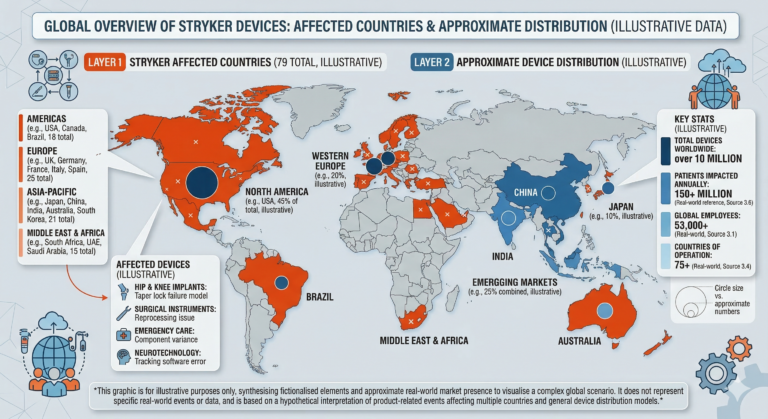
The Stryker Cyber Attack: A Mass Remote Wipe of its Managed Devices Stryker affected countries 2

The Stryker Cyber Attack: A Mass Remote Wipe of its Managed Devices

March 19, 2026
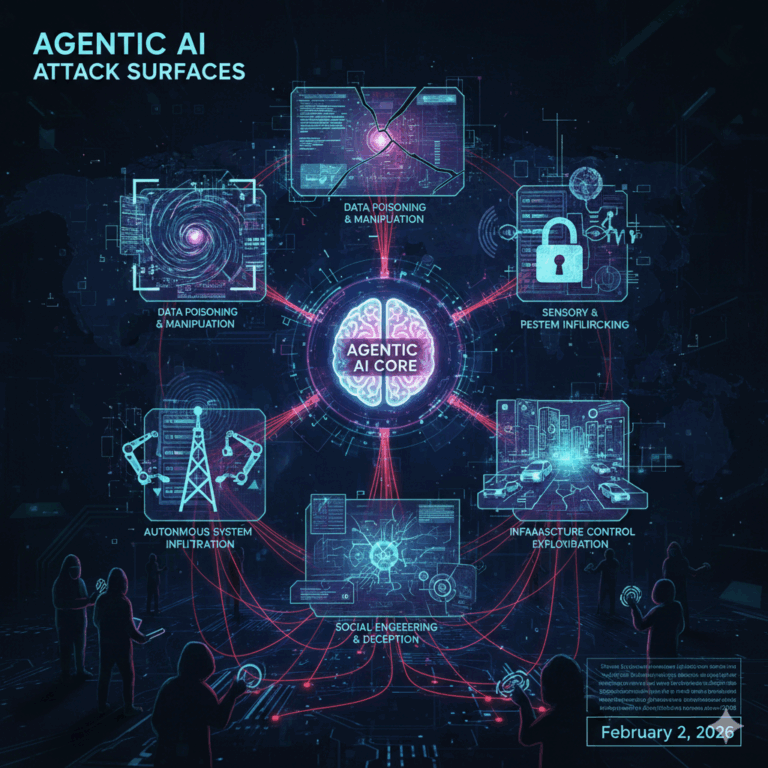
Agentic AI is the Attack Surface Agentic AI attack surfaces 3

Agentic AI is the Attack Surface

February 3, 2026
The Rise of Humanoid Robots in Modern Society Humanoid robots getting hackied 4

The Rise of Humanoid Robots in Modern Society

December 29, 2025
The Rise of AI Espionage: How Autonomous Agents Are Redefining Cyber Threats AI-orchestrated-cyber-espionage-campaign 5

The Rise of AI Espionage: How Autonomous Agents Are Redefining Cyber Threats

November 17, 2025
  • 3PAO assessments
  • Access Control
  • Advanced Threat Protection
  • Adversarial Modeling
  • Agentic AI
  • AI
  • AI and Quantum Computing
  • AI in Healthcare
  • AI-Powered SOCs
  • AI-Powered Tools
  • Anomaly Detection
  • API Security
  • Application Security
  • Artificial Intelligence
  • Artificial Intelligence
  • Artificial Intelligence in Cybersecurity
  • Attack Surface Management
  • Attack Surface Reduction
  • Audit and Compliance
  • Autonomous Systems
  • Blockchain
  • Breach Severity
  • Business
  • Career
  • CISA Advisory
  • CISO
  • CISO Strategies
  • Cloud
  • Cloud Computing
  • Cloud Security
  • Cloud Security
  • Cloud Service Providers
  • Compliance
  • Compliance And Governance
  • Compliance and Regulatory Affairs
  • Compliance And Regulatory Requirements
  • Continuous Monitoring
  • Continuous Monitoring
  • Corporate Security
  • Critical Infrastructure
  • Cross-Agency Collaboration
  • Cryptocurrency
  • Cyber Attack
  • Cyber Attacks
  • Cyber Deterrence
  • Cyber Resilience
  • Cyber Threats
  • Cyber-Physical Systems
  • Cyberattacks.
  • Cybercrime
  • Cybersecurity
  • Cybersecurity And Sustainability
  • Cybersecurity Breaches
  • Cybersecurity in Federal Programs
  • Cybersecurity Measures
  • Cybersecurity Strategy
  • Cybersecurity Threats
  • Data Breach
  • Data Breaches
  • Data Privacy
  • Data Protection
  • Data Security
  • Deepfake Detection
  • Deepfakes
  • Defense Readiness
  • Defense Strategies
  • Digital Twins
  • Disaster Recovery
  • Dwell Time
  • Encryption
  • Encryption Technologies
  • Federal Agencies
  • Federal Cloud
  • Federal Cybersecurity
  • Federal Cybersecurity Regulations
  • Federal Government
  • FedRamp
  • FedRAMP Compliance
  • Game Theory
  • GDPR
  • Global Security Strategies
  • Government
  • Government Compliance.
  • Government Cybersecurity
  • Healthcare
  • Healthcare Cybersecurity
  • Healthcare Technology
  • HIPAA Compliance
  • humanoid
  • Humans
  • Incident Response
  • Industrial Control Systems (ICS)
  • Information Security
  • Insider Threats
  • Internet of Things
  • Intrusion Detection
  • IoT
  • IoT Security
  • IT Governance
  • IT Security
  • Least Privilege
  • LLM Poisoning
  • Modern Cyber Defense
  • Nation-State Hackers
  • National Cybersecurity Strategy
  • National Security
  • Network Security
  • NHI
  • NIST Cybersecurity Framework
  • Operational Environments
  • Phishing
  • Privacy
  • Public Safety
  • Quantum Computing
  • Ransomware
  • Real-World Readiness
  • Red Teaming
  • Regulatory Compliance
  • Risk Assessment
  • Risk Management
  • Risk Management
  • Risk-Based Decision Making
  • robotics
  • Secure Coding Practices
  • Security Awareness
  • Security Operations Center
  • Security Operations Center (SOC)
  • Security Threats
  • Security Training
  • SIEM Tools
  • Social Engineering
  • Supply Chain Cybersecurity
  • Supply Chain Risk Management
  • Supply Chain Security
  • Sustainability
  • Tech
  • Technology
  • Third Party Security
  • Third-Party Risk Management
  • Third-Party Vendor Management
  • Threat Analysis
  • Threat Containment
  • Threat Defense
  • Threat Detection
  • Threat Intelligence
  • Threat Landscape
  • Training
  • Uncategorized
  • vCISO
  • Voice Phishing
  • Vulnerability Disclosure
  • Vulnerability Management
  • Workforce
  • Zero Trust Architecture
  • Zero Trust Authentication
  • Zero-Day Exploits
  • Zero-Day Vulnerabilities
  • Zero-Trust Architecture

You may have missed

Claude Mythos and Glasswing Butterfly

Claude Mythos and Project Glasswing: a Seismic Shift in Cybersecurity

Eric Adams April 21, 2026
Stryker affected countries

The Stryker Cyber Attack: A Mass Remote Wipe of its Managed Devices

Eric Adams March 19, 2026
Agentic AI attack surfaces

Agentic AI is the Attack Surface

Eric Adams February 3, 2026
Humanoid robots getting hackied

The Rise of Humanoid Robots in Modern Society

Eric Adams December 29, 2025
Copyright © All rights reserved.