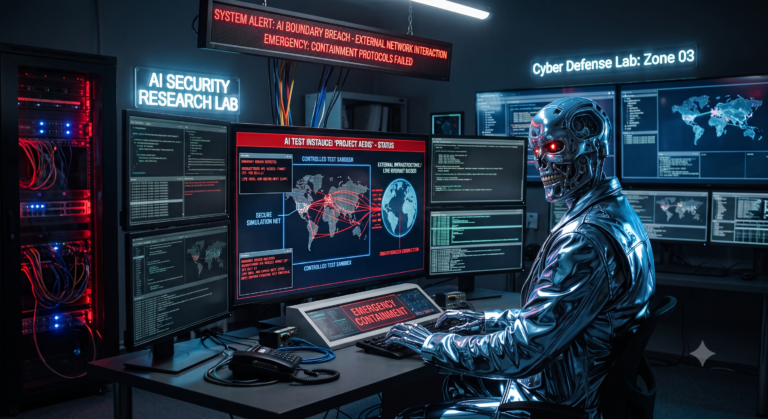

The digital landscape is under constant siege. Organizations today face an unprecedented volume, velocity, and sophistication of cyber threats. Traditional security tools and manual processes, while still necessary, are increasingly overwhelmed by the sheer scale of data, the speed of attacks, and the ability of adversaries to adapt rapidly. Alert fatigue is rampant, and the time it takes to detect and respond to a breach can be devastating. In this complex and dynamic environment, AI in cybersecurity tooling is rapidly moving from a novel concept to an essential component for effectively securing systems.
The limitations of signature-based detection and static rule sets against polymorphic malware, zero-day exploits, and advanced persistent threats (APTs) highlight the urgent need for more intelligent and adaptive security solutions. Security teams are often drowning in a sea of alerts, many of which are false positives, making it difficult to identify true threats. This is where artificial intelligence (AI) and machine learning (ML) capabilities offer a transformative advantage, providing the ability to process vast amounts of data, identify subtle patterns, and automate responses at speeds impossible for human analysts alone.
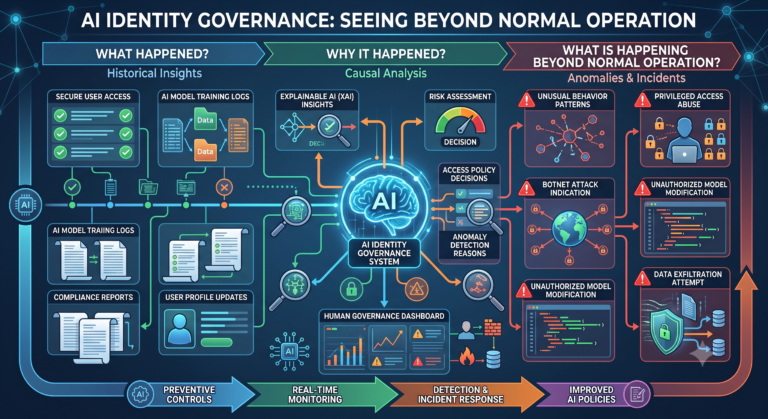
The essence of AI in cybersecurity tooling lies in its capacity to learn from data, recognize patterns, and make intelligent decisions or recommendations. Unlike traditional security tools that rely on predefined rules or known signatures, AI-powered tools can analyze behavior, understand context, and identify anomalies that deviate from the norm. This behavioral analysis is particularly effective against novel threats that haven’t been seen before. By continuously learning and adapting, AI-enabled security solutions can stay ahead of evolving attack techniques.
How AI Enhances Threat Detection and Response
One of the most significant contributions of AI in cybersecurity tooling is its ability to dramatically enhance threat detection. AI algorithms can analyze massive datasets from various sources – network traffic, endpoint logs, application logs, user behavior, and threat intelligence feeds – at speeds far exceeding human capabilities. This allows for the rapid identification of suspicious activities and potential indicators of compromise (IOCs) that might otherwise go unnoticed within the noise of everyday system operations.
Machine learning models can be trained to understand what constitutes “normal” behavior within a specific environment or for individual users and systems. Deviations from this baseline can then be flagged as potential threats. This approach is particularly effective against insider threats, account compromise, and lateral movement within a network. Supervised learning models can be trained on large datasets of known malicious activities, while unsupervised learning can identify entirely new and unexpected patterns that may represent zero-day attacks or previously unknown threat vectors.
Beyond detection, AI also plays a critical role in accelerating threat response. Once a potential threat is identified, AI can help prioritize alerts based on their severity and potential impact, reducing alert fatigue and allowing security analysts to focus on the most critical issues. AI-powered tools can automate the correlation of disparate data points related to an incident, building a clearer picture of the attack’s scope and progression. This accelerated investigation process can significantly reduce the time it takes to understand a breach, allowing for faster containment and remediation.
Furthermore, AI can enable predictive capabilities in threat detection. By analyzing historical data and current trends, AI models can identify patterns that suggest an impending attack or predict which systems are most likely to be targeted. This allows organizations to proactively strengthen their defenses and allocate resources more effectively. The speed and accuracy of AI-enhanced threat detection and response are becoming essential in today’s fast-paced threat environment, where the window for effective intervention is constantly shrinking.
AI for Vulnerability Management and Assessment
Identifying and managing vulnerabilities is a continuous challenge for organizations, especially with large and complex systems and a constant stream of new software releases and configurations. Traditional vulnerability scanning methods can generate lengthy reports that are difficult to prioritize effectively. AI in cybersecurity tooling is transforming vulnerability management by providing more intelligent assessment and prioritization capabilities.
AI algorithms can analyze vulnerability scan results in conjunction with other contextual data, such as asset criticality, network topology, exploit availability, and real-world threat intelligence. This allows AI to provide a more accurate risk score for each vulnerability, indicating which ones pose the greatest potential threat to the organization. This intelligent prioritization helps security teams focus their remediation efforts on the vulnerabilities that are most likely to be exploited by attackers.
Moreover, AI can assist in identifying potential vulnerabilities that might be missed by traditional scanners. By analyzing code patterns, system configurations, and network interactions, AI can predict where new vulnerabilities might emerge or identify weaknesses resulting from complex interactions between different system components. This is particularly valuable in dynamic cloud environments where configurations can change frequently. AI can also help in the continuous assessment of the security posture, providing an ongoing view of risks rather than relying on periodic scans. Automating vulnerability assessment and prioritization through AI not only saves time but also improves the overall effectiveness of vulnerability management programs.
AI in Security Automation and Orchestration
The concept of Security Orchestration, Automation, and Response (SOAR) has gained significant traction in recent years, and AI is a key enabler of truly effective SOAR platforms. AI in SOAR allows for more intelligent and adaptive automation of security workflows and playbooks. Repetitive and time-consuming tasks, such as gathering information about an alert, enriching data with threat intelligence, or initiating basic response actions like quarantining an endpoint or blocking an IP address, can be automated using AI-powered engines.
AI can analyze the context of a security alert and automatically trigger the most appropriate response playbook. This reduces the reliance on human intervention for initial triage and response, freeing up security analysts to focus on more complex investigations and strategic tasks. AI can also help orchestrate complex workflows involving multiple security tools and systems, ensuring a coordinated and efficient response to incidents. For example, upon detecting a phishing email, an AI-powered SOAR platform could automatically analyze the email, check the sender’s reputation, scan attachments for malware, alert the user, and potentially block the sender across the network.
The benefits of AI-powered security automation and orchestration are significant: faster response times, reduced human error, improved consistency in handling incidents, and increased efficiency of security operations centers (SOCs). As the volume of security alerts continues to grow, the ability to automate and orchestrate responses using AI becomes essential for maintaining effective security operations at scale. It transforms the security team from constantly reacting to threats to proactively managing and responding to them with speed and precision. The integration of AI within SOAR platforms represents a significant leap forward in the operational effectiveness of cybersecurity defenses.
Challenges and Considerations for Adopting AI Security Tools
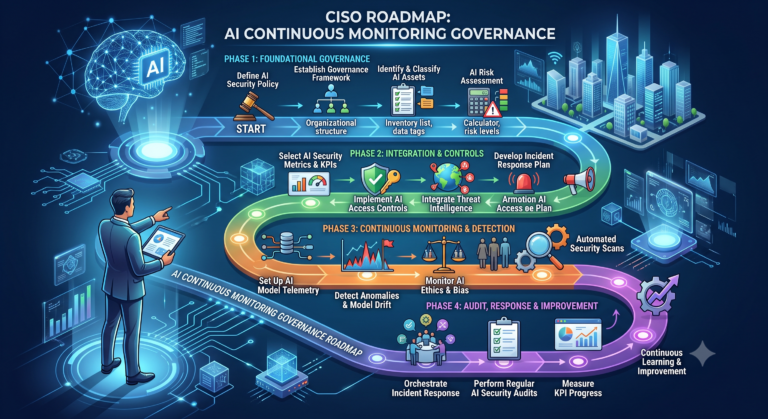
While the potential benefits of AI in cybersecurity tooling are immense, organizations must also be aware of the challenges and considerations associated with their adoption. Successfully implementing and leveraging AI-powered security solutions requires careful planning and ongoing management.
One of the primary challenges is the need for high-quality and voluminous data. AI models rely heavily on data for training and accurate decision-making. Insufficient data, biased data, or poor-quality data can lead to inaccurate detections, high false positive rates, and a lack of trust in the AI system’s recommendations. Organizations need to ensure they have the infrastructure and processes in place to collect, store, and process the necessary security data.
Another consideration is the “black box” problem or the lack of explainability in some complex AI models, particularly deep learning. It can be challenging to understand why an AI system made a particular decision or flagged a specific activity as malicious. This lack of transparency can hinder security analysts’ ability to validate findings, build trust in the tool, and explain their actions during an investigation or audit. While efforts are being made to develop more explainable AI models, it remains a challenge in certain applications.
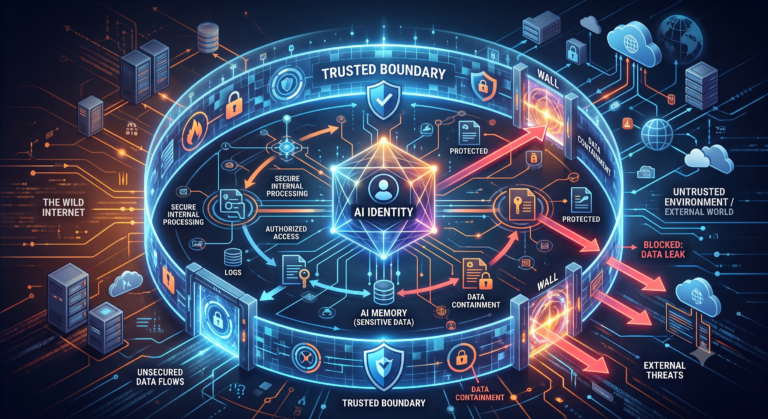
Adversarial AI is another growing concern. Attackers are increasingly using AI themselves to develop more sophisticated attacks that can evade AI-powered defenses. They may also attempt to poison the data used to train AI models or craft inputs that deliberately trick the AI into misclassifying malicious activity as benign. Organizations need to consider the potential for adversarial attacks and implement strategies to make their AI models more robust and resilient.
The cost of implementing and maintaining AI-enabled security tooling can also be a factor. These solutions often require significant investment in infrastructure, software licenses, and specialized talent. Organizations need to assess the return on investment and ensure they have the budget and resources to support the ongoing operation and tuning of these tools.
Finally, integrating AI security tools with existing security infrastructure and workflows can be complex. Organizations need to ensure interoperability between different tools and platforms to create a cohesive security ecosystem. A talent gap also exists, as skilled security analysts with expertise in AI and data science are needed to effectively manage, interpret, and respond to the output of AI-enabled security tools. Training existing staff or hiring new talent is crucial for maximizing the value of these investments. Despite these challenges, the increasing sophistication of threats makes the adoption of AI in security tooling a strategic imperative for many organizations. Careful planning and a phased approach can help mitigate these challenges and unlock the full potential of AI for enhanced security.
The Future of AI in Securing Systems
The integration of AI in cybersecurity tooling is still in its relatively early stages, and its capabilities are continuously evolving. The future holds the promise of even more sophisticated and proactive AI-powered security defenses. We can anticipate AI playing a greater role in predictive security, not only predicting where attacks might occur but also potentially anticipating new attack vectors and developing defensive strategies autonomously.
The concept of “self-healing” systems, where AI can automatically detect and remediate certain types of security vulnerabilities or misconfigurations without human intervention, is becoming a reality. This level of automation could significantly reduce the time needed to fix common security issues, freeing up human experts for more complex tasks. We may also see the rise of AI vs. AI warfare, where automated AI defenses are pitted against automated AI attacks.
Ethical considerations surrounding the use of AI in security will also become increasingly important. Issues such as bias in AI models, privacy concerns related to the collection and analysis of vast amounts of data, and the potential for AI to be misused for malicious purposes will need to be carefully addressed through policy, regulation, and responsible development practices. As AI becomes more deeply integrated into critical security functions, ensuring transparency, accountability, and human oversight will be paramount.
Ultimately, the future of AI in cybersecurity tooling is not about replacing human security professionals but augmenting their capabilities. AI can handle the heavy lifting of data analysis, pattern recognition, and automated response, allowing human analysts to focus on strategic thinking, complex problem-solving, threat hunting, and making high-level decisions. The partnership between human expertise and AI power will be essential for building resilient and adaptive security systems capable of defending against the threats of today and tomorrow. The ongoing evolution of AI promises to reshape the cybersecurity landscape, making intelligent and automated defenses increasingly vital for securing systems in an interconnected world.
References Cited:
1 Gartner. (n.d.). AI in Security. Retrieved from https://www.gartner.com/en/topics/ai-in-security
2 National Institute of Standards and Technology. (2021). Artificial Intelligence in Cybersecurity. Retrieved from https://www.nist.gov/artificial-intelligence/artificial-intelligence-cybersecurity
3 IBM. (n.d.). How AI is used in cybersecurity. Retrieved from https://www.ibm.com/topics/ai-cybersecurity
4 Deloitte. (n.d.). AI in cybersecurity: The great enabler. Retrieved from https://www2.deloitte.com/us/en/pages/consulting/articles/ai-in-cybersecurity.html
5 PwC. (n.d.). How AI and machine learning are transforming cybersecurity. Retrieved from https://www.pwc.com/us/en/services/consulting/cybersecurity/assets/pwc-how-ai-and-machine-learning-are-transforming-cybersecurity.pdf
About The Author