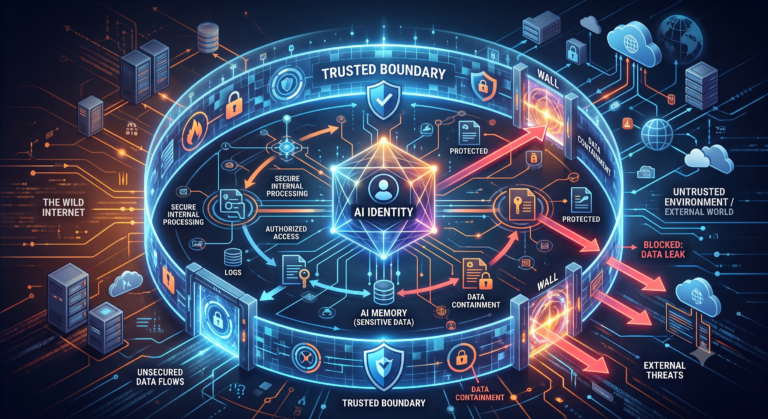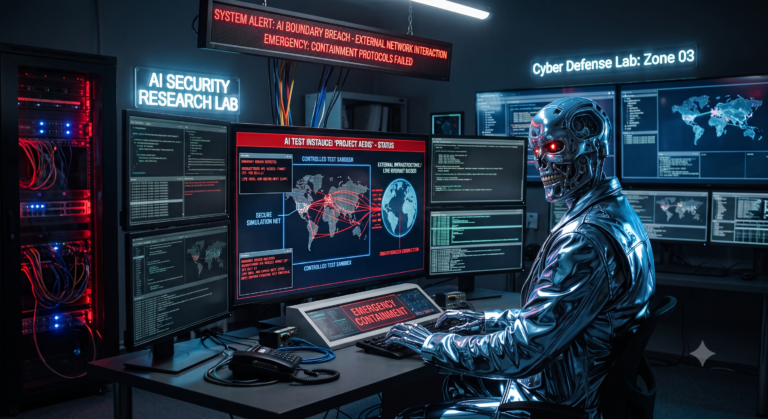
The modern Security Operations Center: AI and Automation are at the forefront of cyber defense innovation. As cyber threats grow in complexity and speed, SOCs must evolve from traditional monitoring hubs to intelligent, automated response ecosystems. Organizations today must rethink how they build and manage their SOCs to remain agile, proactive, and resilient in a dynamic threat landscape—especially with the rising importance of AI-driven strategies.
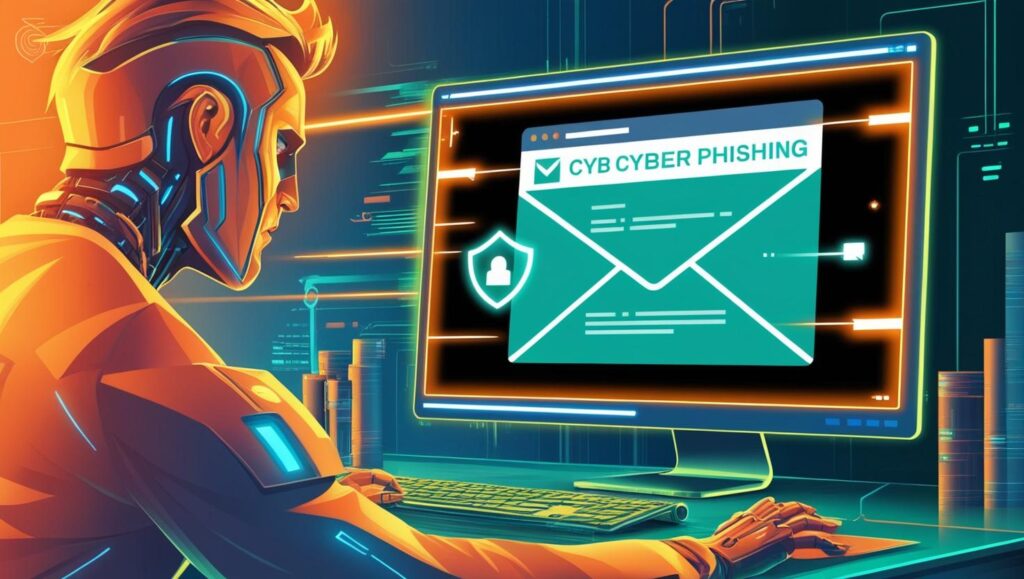
The Evolution of the Security Operations Center
Traditional SOCs focused on log aggregation and alert triage. But with the rise of ransomware, zero-day exploits, and nation-state attacks, that model no longer suffices. A 2023 IBM report found the average cost of a data breach reached $4.45 million, highlighting the need for advanced security capabilities¹.
Today’s Security Operations Center: AI and Automation integrates real-time threat intelligence, behavioral analytics, and automation to improve detection and response. AI and machine learning filter false positives, accelerate triage, and streamline workflows—enabling security teams to respond at machine speed.
Core Technologies in the AI-Driven Security Operations Center
Threat Intelligence in AI-Powered SOCs
Successful SOCs rely on real-time threat intelligence to detect malicious behavior early. Frameworks like MITRE ATT&CK help structure understanding of adversary techniques². AI-enhanced threat intelligence systems synthesize global threat feeds and internal telemetry, enabling SOCs to preempt attacks—a hallmark of modern Security Operations Center: AI and Automation strategies.
Security Information and Event Management (SIEM)
SIEM solutions serve as the backbone of log collection and event correlation. When enhanced with AI, SIEM platforms identify behavioral anomalies more accurately and in real time. Organizations often pair SIEM with XDR platforms to expand visibility across endpoints, cloud services, and user behavior.
Incident Response and SOAR Automation
Speed is essential in cyber defense. With the average attacker dwell time at 16 days³, response automation is no longer optional. Security Orchestration, Automation, and Response (SOAR) platforms enable SOCs to deploy automated playbooks, shut down malicious activity, and remediate incidents—all within seconds. This level of efficiency is a key deliverable of an AI-optimized SOC.
Cloud Security in a Hybrid Environment
With the shift to hybrid and multi-cloud environments, SOCs must adapt. Cloud-native tools like AWS Security Hub, Microsoft Defender for Cloud, and Google Chronicle offer visibility across containers, workloads, and identity. Within this framework, the Security Operations Center: AI and Automation becomes critical for centralizing detection and response in distributed environments.
Human Expertise in AI-Enhanced Security Operations
The Role of Analysts in the AI-Driven SOC
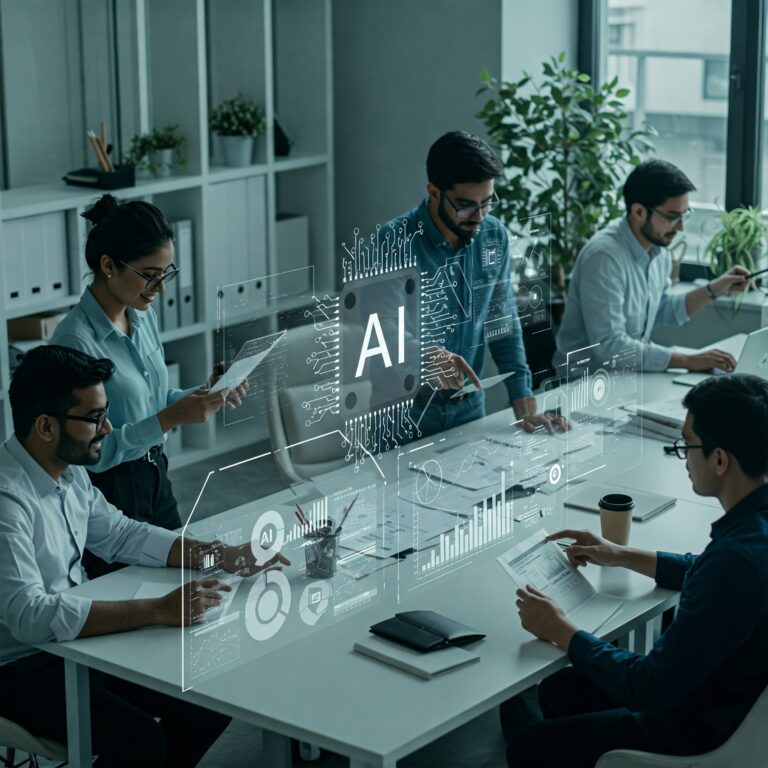
AI augments—not replaces—human expertise. Despite technological advances, skilled SOC analysts remain essential. They interpret AI-driven insights, investigate complex incidents, and conduct threat hunting activities that AI cannot automate completely. Cybersecurity talent shortages, however, make training and retention more critical than ever⁴.
Red Teaming, Blue Teaming, and Collaboration
Modern SOCs must include proactive testing mechanisms. Red teams simulate real-world attacks, while blue teams defend and monitor. Purple teaming aligns offensive and defensive efforts to identify gaps and optimize defenses within the Security Operations Center: AI and Automation ecosystem.
Preventing Burnout in SOC Teams
SOCs often operate under intense pressure. High alert volume, night shifts, and threat fatigue can burn out analysts. AI helps alleviate this by automating triage, prioritizing high-severity incidents, and reducing repetitive tasks. Organizations should also implement healthy schedules, wellness programs, and mental health resources.
Future Trends in Security Operations Center: AI and Automation
AI-Driven Threat Prediction and Response
AI now goes beyond anomaly detection. Predictive threat modeling uses historical and real-time data to forecast potential attack vectors. Platforms like Google Chronicle can analyze petabytes of log data in seconds, enabling preventive action instead of reactive containment⁵.
Zero Trust and the SOC of the Future
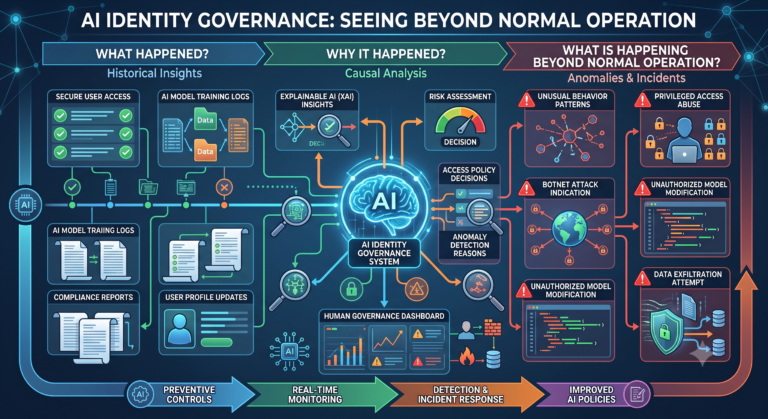
Zero Trust is becoming a foundational security principle. It assumes every user, device, and application is a potential threat until proven otherwise. AI-powered SOCs enforce Zero Trust by continuously validating identity, monitoring access, and adjusting privileges dynamically. This architecture reinforces the strength of the Security Operations Center: AI and Automation.
Final Thoughts
The Security Operations Center: AI and Automation is no longer a concept—it’s an operational necessity. As threats become faster, stealthier, and more adaptive, so too must the SOC. By combining automation, threat intelligence, skilled analysts, and AI-powered tools, organizations can transform their SOC into a responsive, resilient security nerve center.
To succeed in this new era, organizations must invest not only in tools but in people, processes, and forward-thinking strategies. The future of cyber defense depends on it.
References Cited:
Tunggal, Abi Tyas .Cost of a Data Breach Report. 2025. UpGuard
Mandiant, “M-Trends 2023 Report.”
Cybersecurity Workforce Study 2024. Sans Org
Horn, Anthony. Defending the Cyber Frontier. FedNinjas Podcast. 2025
About The Author