In today’s rapidly evolving digital landscape, cybersecurity has become one of the most pressing concerns for organizations across the globe. The interconnectedness of industries and systems has made them increasingly vulnerable to cyber threats, ranging from data breaches to sophisticated nation-state attacks. In this environment, collaboration is no longer optional; it is essential. This is where Information Sharing and Analysis Centers (ISACs) and public-private partnerships (PPPs) come into play, becoming crucial components of a robust cybersecurity strategy.

The Role of ISACs in Cybersecurity
Information Sharing and Analysis Centers (ISACs) are critical entities in the cybersecurity ecosystem. Originally established in the United States, ISACs serve as focal points for gathering, analyzing, and disseminating cybersecurity threat information across different sectors. These organizations facilitate the exchange of threat intelligence between private industry, government agencies, and other relevant stakeholders. Their primary goal is to increase the collective defense against cyberattacks by providing timely and actionable intelligence to all members.
What makes ISACs effective is their focus on sector-specific threats. By operating within defined industries—such as finance, energy, or healthcare—these centers can provide specialized insights that cater to the unique challenges and vulnerabilities of each sector. For example, the Financial Services ISAC (FS-ISAC) shares information related to cyber threats that target financial institutions, while the Health-ISAC focuses on cybersecurity issues impacting healthcare organizations. This specialization enables targeted defenses, ensuring that critical industries are better prepared to mitigate attacks.
Furthermore, ISACs help create a level of trust and cooperation among businesses that might otherwise be reluctant to share sensitive information. In a landscape where cybercriminals are becoming increasingly sophisticated, the ability to share threat intelligence in a secure and trusted environment is invaluable. The benefits of such collaboration are clear—by pooling resources, organizations can improve situational awareness, respond faster to incidents, and ultimately strengthen their overall cybersecurity posture.
Public-Private Partnerships: A Necessary Collaboration
While ISACs play an important role, they are just one part of a larger puzzle. Public-private partnerships (PPPs) have emerged as another cornerstone in the fight against cybercrime. These partnerships bring together government entities, private corporations, and other stakeholders to work toward a common goal: enhancing national and global cybersecurity resilience.
Governments, particularly in democratic nations, have a vested interest in ensuring the security of critical infrastructure and the economic stability of their nation. However, many private organizations own and operate critical infrastructure, making them essential partners in cybersecurity efforts. PPPs allow governments to leverage the expertise, resources, and innovation of the private sector while providing regulatory oversight, policy support, and intelligence from public agencies.
One of the most significant benefits of public-private partnerships is the acceleration of information sharing. Governments have access to vast intelligence sources, and by working with private companies, they can receive real-time data on potential cyber threats. Conversely, the private sector can provide government agencies with firsthand insight into emerging cybersecurity challenges they face in day-to-day operations.
The benefits of these partnerships extend beyond just intelligence sharing. They also include joint efforts in research and development of new cybersecurity technologies, collaboration on cybersecurity training programs, and the development of industry standards and best practices. Such cooperation helps to level the playing field, allowing smaller companies to access the same level of security expertise and resources as larger corporations.
A key example of a successful public-private partnership is the United States’ Cybersecurity and Infrastructure Security Agency (CISA). CISA works closely with private sector partners to share threat intelligence and coordinate responses to large-scale cyber incidents. This collaboration was especially crucial during the SolarWinds attack in 2020, where both public and private sectors had to work together swiftly to assess the damage and protect sensitive systems.
Why ISACs and PPPs Are Imperative for the Future of Cybersecurity
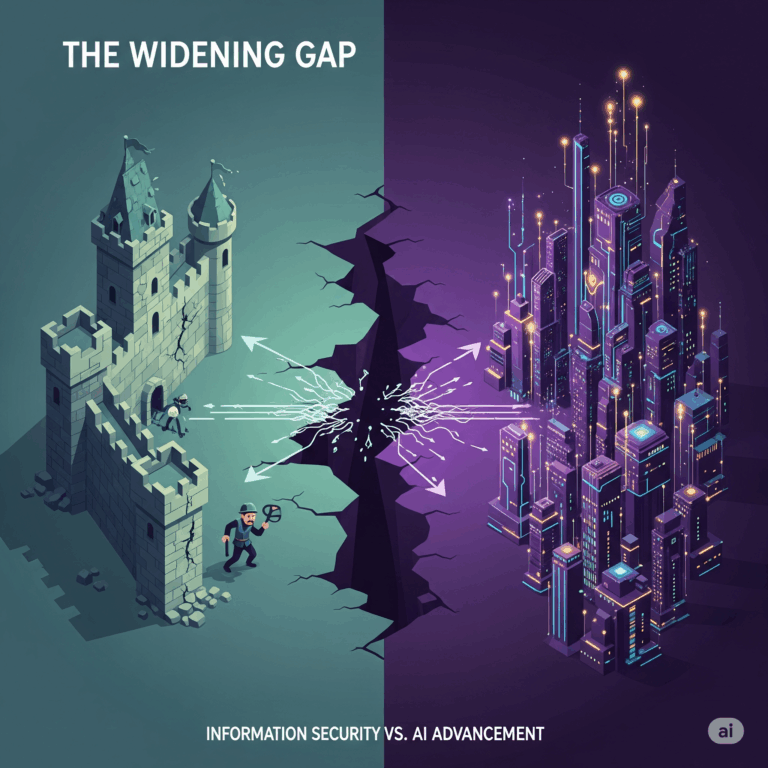
The future of cybersecurity hinges on the ability of organizations and governments to collaborate effectively. With the growing complexity of cyber threats, no single entity can defend against them alone. The scale and scope of cyberattacks are expanding, and adversaries—ranging from cybercriminals to state-sponsored hackers—are more sophisticated and determined than ever before. Cybersecurity is now a shared responsibility, and collaboration across sectors and borders is necessary to outpace these threats.
ISACs and public-private partnerships offer a framework for collective defense, and their importance will only continue to grow. The rise of Internet of Things (IoT) devices, the migration to cloud infrastructures, and the increasing sophistication of AI-driven attacks mean that cybersecurity is no longer just a technical challenge; it’s a strategic business issue that requires constant attention. By leveraging the expertise and resources of both public and private sectors, organizations can build more resilient systems that are better equipped to withstand attacks.
Moreover, the need for rapid response cannot be overstated. Cyberattacks are often time-sensitive, and the quicker an organization can identify and respond to an incident, the less damage is done. ISACs and PPPs enable quicker decision-making by providing access to critical threat intelligence and resources, ensuring that the right actions are taken at the right time. A delay in response could lead to catastrophic consequences, not only for the affected organization but for the broader economy and national security.
The Path Forward: Strengthening Collaboration
While progress has been made in fostering collaboration through ISACs and PPPs, there is still much work to be done. For instance, there needs to be greater emphasis on expanding these partnerships to include more industries, as well as increasing international cooperation. Cyber threats do not recognize borders, and international collaboration is essential to address the global nature of cybercrime.
Additionally, there needs to be ongoing investment in cybersecurity talent. As the demand for skilled professionals grows, public and private sectors must work together to train and educate the next generation of cybersecurity experts. This will ensure that organizations have the talent needed to identify, mitigate, and respond to the growing range of cyber threats.
Finally, organizations must continue to prioritize cybersecurity as a core component of their overall business strategy. With cyber threats becoming more sophisticated and pervasive, executives must treat cybersecurity as a strategic priority, integrating it into their decision-making processes. Public-private partnerships and ISACs can provide valuable support in this area, offering both guidance and resources to help businesses strengthen their defenses.
References Cited:
- ISAC: Information Sharing and Analysis Centers. Oct. 2023. Splunk
- IBM. Public and Private Sectors Must Collaborate in the New Cyber Era. Apr. 2022
- FS-ISAC. “Financial Services Information Sharing and Analysis Center.” FS-ISAC. [Link]
About The Author