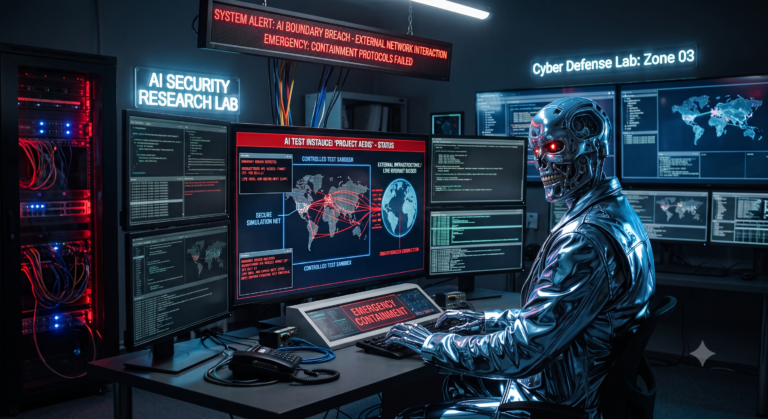
Welcome to the New Frontline
You’re not walking into a boardroom. You’re stepping onto a battlefield.
The war isn’t being fought with guns or drones. It’s silent. It’s digital. It’s devastating. Every day, businesses, governments, schools, and individuals are being attacked by unseen adversaries. And the worst part? Most people don’t even realize they’re targets until it’s too late.
Cybersecurity isn’t just about ones and zeroes anymore. It’s about trust, resilience, and survival. That’s the message we heard loud and clear from our interview with cybersecurity expert Corey Epps, whose battle-tested insights are helping businesses across the country build their defenses before disaster strikes.
This isn’t fear-mongering. It’s a wake-up call. And if you’re ready to accept this mission—let’s move.

The Power of Awareness Over Expertise
There’s a dangerous misconception floating around: that cybersecurity is only for tech people.
That couldn’t be further from the truth.
As Corey put it, “You don’t have to be a tech-savvy individual to take cybersecurity seriously. You just have to be aware.”
This isn’t about mastering code or configuring firewalls. It’s about mindset. Action. Responsibility.
Even basic cyber hygiene—when implemented across an organization—can thwart the majority of attacks. Consider the following:
| Cyber Habit | Impact |
|---|---|
| Unique, strong passwords | Blocks brute-force attacks and credential stuffing |
| Multi-factor authentication (MFA) | Adds a crucial second layer of identity verification |
| Timely software updates | Closes vulnerabilities before attackers can exploit them |
| Suspicious email avoidance | Neutralizes phishing, the most common attack vector |
| Regular data backups | Provides recovery from ransomware, hardware failures, or human error |
Every one of these steps is actionable, accessible, and absolutely essential—regardless of your job title.
Small Doesn’t Mean Safe
In action films, the villains usually go after billionaires, secret agents, or world leaders. But in cybersecurity, the bad guys think differently.
They go for small businesses.
Why? Because small businesses often believe they’re too insignificant to be targeted. This makes them vulnerable—and attackers know it. As Corey emphasized, “Most of the businesses I work with didn’t know how exposed they were until after something happened.”
The reality is simple: if you store customer data, accept payments, or operate online in any capacity, you are a target.
Take a look at the risk landscape for small businesses:
| Risk Factor | Why It’s a Problem |
|---|---|
| Lack of dedicated IT staff | No one monitoring systems or maintaining best practices |
| No incident response plan | Inability to react quickly when a breach occurs |
| Use of outdated systems | Unpatched software becomes an open door for attackers |
| Untrained employees | Human error is responsible for over 80% of successful breaches |
When the cost of inaction could mean losing your business, the question isn’t if you should prioritize cybersecurity—it’s how fast can you get started.
Ransomware: The Digital Hostage Taker
Imagine this: you wake up, open your laptop, and instead of your dashboard, you see this:
“Your files are encrypted. Pay $250,000 in Bitcoin to unlock them. You have 72 hours.”
This isn’t a movie. It’s ransomware. And it’s one of the most common and destructive cyberattacks facing organizations today.
Ransomware attacks don’t just lock your files—they hold your entire business hostage. And in many cases, even if you pay, there’s no guarantee your data will be returned—or that it won’t be sold on the dark web anyway.
Corey doesn’t sugarcoat it: “Ransomware is not just a technical problem. It’s a business killer.”
To understand its power, consider the anatomy of a ransomware event:
| Ransomware Stage | Description |
|---|---|
| Initial access | Usually through a phishing email or remote desktop protocol (RDP) vulnerability |
| Payload execution | Malware is deployed, encrypting files across the network |
| Ransom demand | Attackers contact you with instructions—usually demanding payment in crypto |
| Downtime and disruption | Operations are paralyzed, data inaccessible, reputations at risk |
| Decision point | Pay and hope, or refuse and rebuild |
Prevention is your only real defense. That means:
- Isolating backups.
- Limiting user access.
- Using endpoint protection.
- Training your team to spot the signs before they click.
People: The Weakest Link or the First Line of Defense?
The best cybersecurity system in the world is useless if the people using it don’t know what they’re doing.
It’s not a lack of intelligence—it’s a lack of training. Most cyberattacks don’t break systems. They trick people. Emails that look real. Attachments that seem urgent. Fake invoices. Impersonated executives.
Corey’s advice is clear: “Technology can only do so much. If your people aren’t trained, you’ve already lost.”
What’s needed is a culture of security awareness. That means every team member—from accounting to sales to HR—understands the role they play.
Let’s break it down by department:
| Department | Common Threats | Required Awareness |
|---|---|---|
| Finance | Business Email Compromise (BEC), invoice fraud | Know how to verify wire transfers and identify spoofing |
| Human Resources | Credential phishing, payroll scams | Be cautious with attachments, verify requests with phone calls |
| Marketing | Social engineering via social platforms | Avoid oversharing sensitive data publicly |
| Executive Team | Impersonation, whaling attacks | Multi-factor authentication and identity verification |
| IT/Admin | Privileged access misuse | Enforce least-privilege access and monitor systems |
When your people understand what’s at stake and how to respond, they become an asset, not a liability.
A Culture of Cyber Vigilance
Training should not be a checkbox exercise or once-a-year compliance seminar. It needs to be part of your organization’s daily rhythm—something people talk about, think about, and feel responsible for.
Cyber drills, phishing simulations, gamified learning—these tools create engagement. And engagement leads to habits. Habits lead to defense.
Corey regularly works with businesses to implement awareness programs that are not only effective—but sticky. They stay with people. They become part of the DNA.
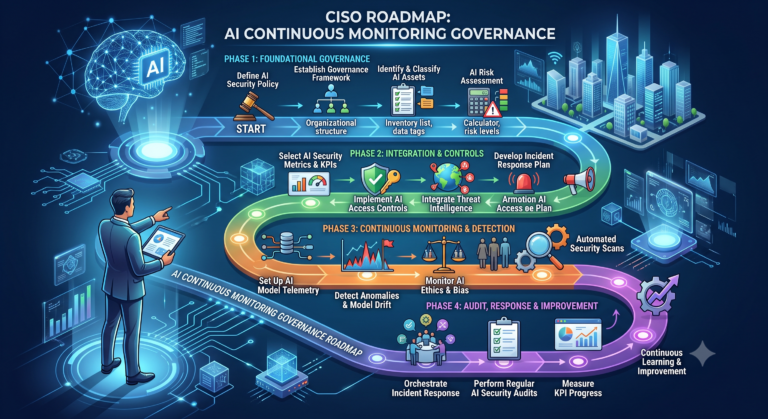
The Playbook: Building Your Digital Defense
Cybersecurity isn’t won through big leaps. It’s won through daily discipline, intelligent strategy, and consistent execution.
Here’s what a resilient cyber defense framework looks like in action:
| Pillar | Key Action |
|---|---|
| Risk Assessment | Identify your digital assets, assess vulnerabilities, and prioritize response |
| User Training | Educate all employees on threats and safe behaviors |
| Defense-in-Depth | Use multiple security layers (firewalls, EDR, access controls, monitoring) |
| Data Backup & Recovery | Maintain secure, tested backups and a clear restoration strategy |
| Incident Response | Develop and practice a response plan, designate a crisis team |
| Continuous Improvement | Monitor threats, review incidents, and update policies regularly |
This is your checklist. Not for next month. Not for next quarter.
For now.
The Mission Is Yours
Here’s the truth that too many organizations ignore: cybersecurity is not optional.
It’s not an IT department’s problem. It’s a leadership issue. A cultural issue. A survival issue.
If you operate a business, manage data, lead people, or connect to the internet in any way—you are in this.
And you don’t have to know everything. You just need to start. Awareness is your weapon. Training is your shield. Resilience is your outcome.
The good news? You’re not alone. Experts like Corey Epps are out there helping companies shift from reactive to proactive. And if you’ve read this far, you’re already in motion.
Now, take the next step.
Closing the Loop: The Action Plan
Below are potential actions an organization can take to:
| Objective | Action |
|---|---|
| Evaluate your current state | Schedule a cyber audit to identify risks and gaps |
| Educate your team | Launch a cybersecurity awareness program (with real-world simulations) |
| Build a layered defense | Integrate tools for endpoint security, backups, access control, and MFA |
| Prepare for worst-case scenarios | Create and test a ransomware and breach response plan |
| Stay informed | Subscribe to cybersecurity threat feeds and regulatory updates |
This isn’t just about protecting data—it’s about protecting trust, reputation, and the future of your mission.
You’re not a spectator. You’re the lead.
CTA:
Need help launching your cybersecurity initiative or want to bring Corey Epps to your team for a digital strategy session? Reach out today. Don’t wait for a breach to take action. You can also listen to other experts on the FedNinjas podcast.
About The Author