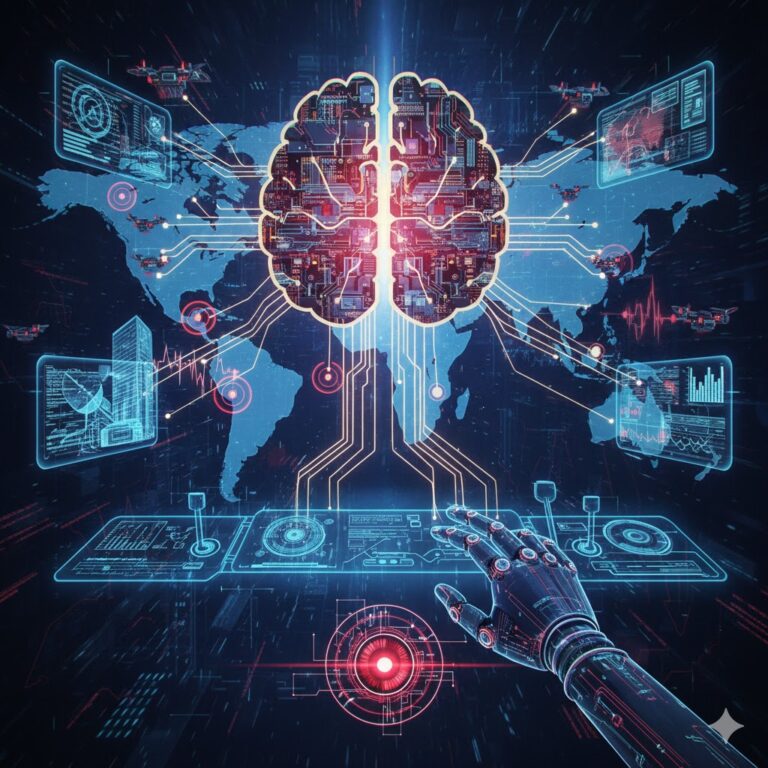
As artificial intelligence continues to reshape cybersecurity operations, it’s tempting to imagine a future where machines fully protect systems on their own. But in practice, the most secure and adaptable environments are those where AI works with humans—not in place of them. A human-centric AI architecture ensures that machines enhance human decision-making, while experts maintain oversight, ethical direction, and ultimate control.
Designing these architectures thoughtfully is key to maximizing the strengths of AI without sacrificing trust, accountability, or adaptability.
What Makes an AI Architecture “Human-Centric”?
Human-centric design is more than a buzzword—it’s a framework for ensuring AI serves its users rather than the other way around. In cybersecurity, this means building systems that put people in the loop at every critical point of decision and execution.
Transparency and Explainability
One of the primary goals of human-centric AI is transparency. Security professionals need to know why an AI flagged a file as malicious or recommended isolating a device. Black-box systems, which provide decisions without context or rationale, are unhelpful—and in some cases, risky.
Explainable AI (XAI) helps close this gap by providing insights into how the model came to a decision. Whether it’s through confidence scores, visualized decision paths, or traceable training data, transparent systems build trust and support defensible security actions.
Control and Intervention Points
Even in environments with high automation, human operators should always have the ability to pause, override, or review AI decisions. Without intervention points, organizations risk runaway automation that could lock out users, block legitimate traffic, or cause operational disruption.
A human-centric architecture includes built-in checks—such as requiring analyst approval for high-risk actions or flagging low-confidence decisions for review. This ensures that security teams remain in command and that AI acts as a trusted advisor, not an unchecked executor.
Workflow Compatibility
AI should complement how security teams already operate. If tools force teams to change their workflows, jump between dashboards, or ignore institutional knowledge, adoption will suffer.
Instead, effective architectures integrate AI into existing SIEMs, ticketing systems, and dashboards. They enhance the analyst’s ability to process information and act quickly, rather than disrupt it.
Key Components of Human-Centric Cybersecurity AI
Creating a truly human-centric cybersecurity architecture requires attention to both technical infrastructure and organizational process. It’s not just about deploying AI—it’s about deploying AI that is modular, adaptable, and transparent at every level.
1. Modular Integration Layers
Design AI capabilities in layers—separating detection, analysis, and response. This modular design enables organizations to insert human decision points where necessary and adjust automation levels based on maturity or risk tolerance.
For instance, anomaly detection may be fully automated, while response actions like isolating a host may require manual review. This approach prevents blanket automation and supports phased adoption.
2. Decision-Making Dashboards
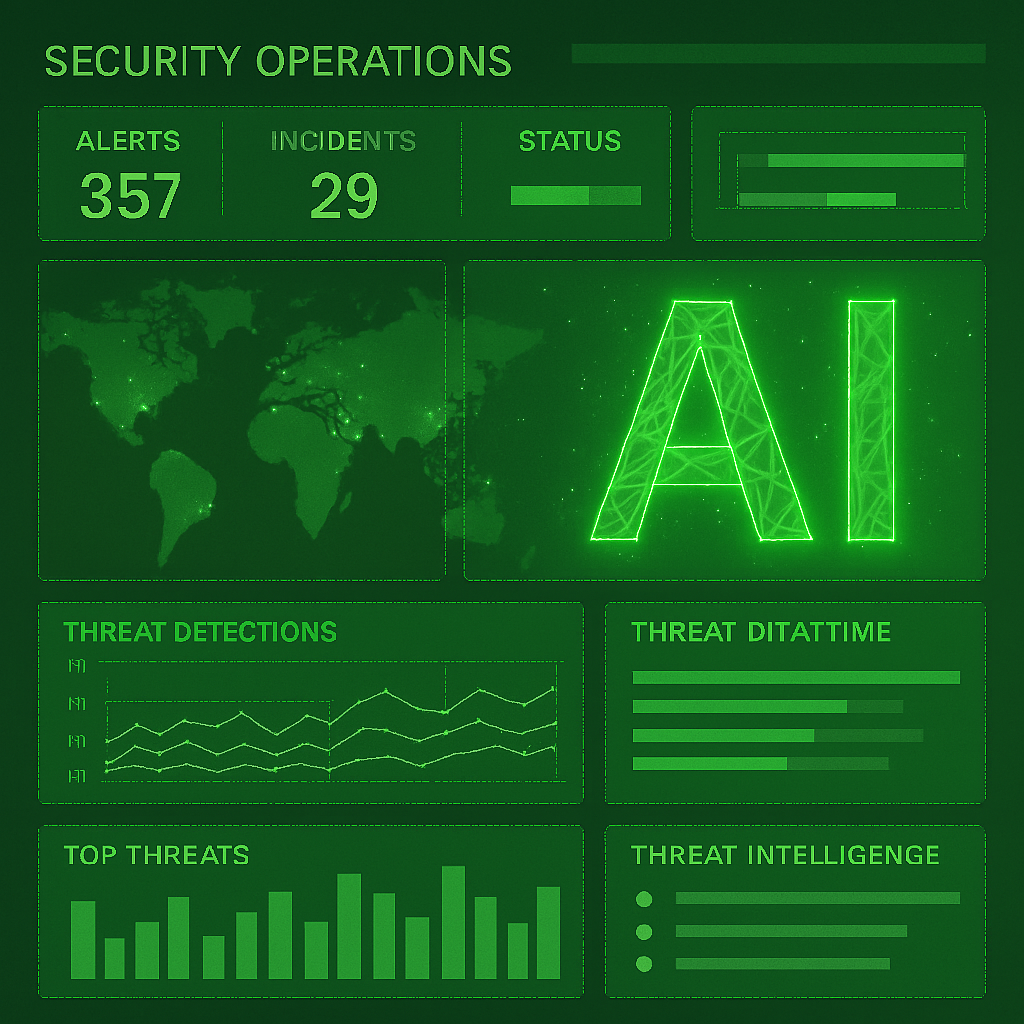
Modern security teams operate at speed, often processing hundreds of alerts daily. Human-centric design calls for intuitive dashboards that display the AI’s reasoning, alert confidence levels, threat context, and suggested responses—all in one place.
These dashboards become a control center where humans and AI interact. They must be fast, flexible, and tailored to different user roles, from junior analysts to CISOs.
3. Built-in Auditing and Logging
Transparency and accountability require that all AI decisions—especially those that impact operations—are logged and auditable. This includes recording the model version used, the input data that triggered an action, and any human intervention taken.
Logs must be immutable and available for internal investigations or compliance audits. Many regulations, including FedRAMP and CMMC, require full traceability of security actions, whether performed by a human or AI system1.
4. Role-Based Access Controls
Access management is critical when AI can take autonomous action. Not every analyst should have the same level of control over automated responses. Human-centric systems enforce role-based access controls (RBAC) to ensure only authorized individuals can execute or override certain functions.
This adds a layer of protection and aligns with security best practices by limiting access to sensitive AI features based on role and responsibility.
Hybrid SOCs: Humans and AI Working Together
A fully autonomous Security Operations Center (SOC) is still a distant vision—and for good reason. The most effective cybersecurity environments are hybrid SOCs where AI accelerates detection and response, but humans provide strategy, judgment, and adaptability.
AI Handles Volume, Humans Handle Value
AI can monitor thousands of endpoints and analyze millions of log entries faster than any human team. But what happens when multiple weak signals align into a sophisticated attack chain? AI may miss the forest for the trees.
Humans bring critical thinking, context, and experience to the table. They understand geopolitical events, business priorities, and user behavior in ways AI cannot. In hybrid SOCs, AI narrows the focus while humans determine next steps.
Use Case: Threat Hunting
In threat hunting, AI can identify suspicious patterns, such as unexpected access times or anomalous file behavior. Human analysts then investigate these leads—cross-referencing with threat intelligence, contextualizing findings, and validating hypotheses.
This collaboration leads to deeper investigations and a more proactive security posture.
Use Case: Incident Response
During an incident, AI can execute pre-approved playbooks: isolating endpoints, disabling accounts, or collecting forensics. Human analysts assess the broader impact, engage with legal and PR teams, and make policy decisions about disclosure or containment.
Together, they form a rapid, layered defense capable of mitigating damage and reducing downtime.
Security Architecture Best Practices
For AI to operate effectively in a cybersecurity setting, the underlying architecture must support secure, adaptable, and scalable integration.
Use Open APIs and Standards
To avoid vendor lock-in and promote interoperability, architectures should prioritize tools with open APIs and industry-standard protocols. These enable seamless integration between AI engines, threat intel platforms, SIEMs, and ticketing systems.
Open design also promotes innovation—allowing teams to trial new capabilities or switch providers without rearchitecting the entire stack.
Establish Feedback Loops
Human feedback improves AI performance over time. Analysts should be able to mark alerts as false positives, approve or reject recommendations, and annotate context. These inputs retrain models, reduce noise, and tailor the AI to the organization’s unique environment.
Feedback loops also promote engagement, helping analysts feel empowered rather than displaced.
Prioritize Security of the AI Itself
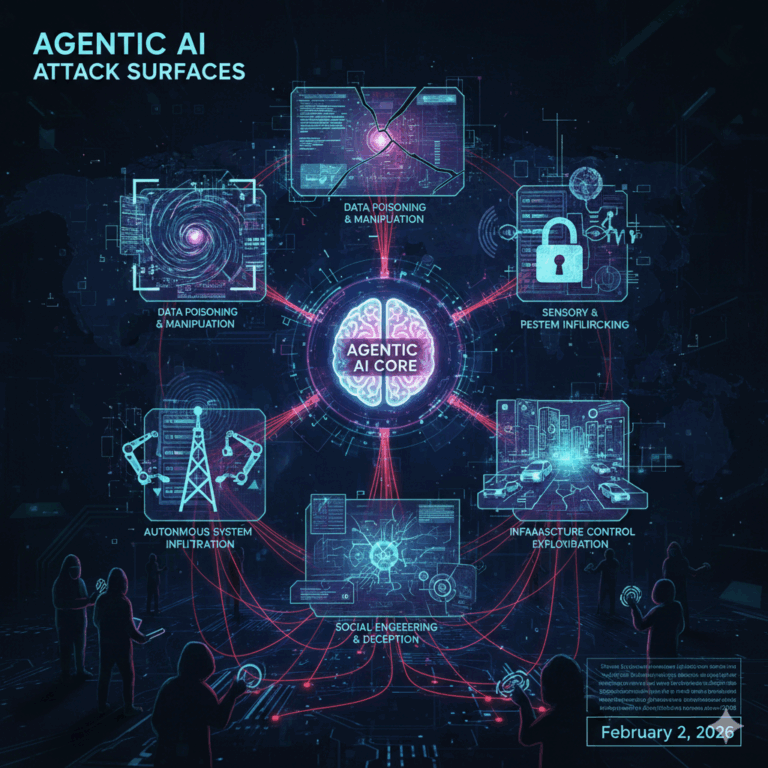
AI systems can become attack vectors if not properly secured. Threat actors may attempt to tamper with training data, reverse engineer decision logic, or poison model behavior.
Architectures must secure the AI pipeline itself, applying the same rigor used for traditional IT assets: encryption, monitoring, RBAC, and continuous validation of model integrity.
Organizational Alignment for Sustainable AI
Even the best architecture fails without cultural and leadership support. Human-centric AI is not only about how systems work—but how people work with them.
Executive Sponsorship
Executives play a crucial role in driving responsible AI adoption. They must champion investments in training, support multi-disciplinary governance teams, and tie AI outcomes to broader risk and compliance goals.
Without top-down backing, even well-designed architectures may struggle to gain traction or funding.
Governance Committees
Organizations should establish AI governance boards that include cybersecurity leaders, compliance officers, legal advisors, and data scientists. These groups set policy for AI use, oversee audits, and ensure alignment with legal, ethical, and operational standards2.
Regular review cycles and performance metrics help keep AI use transparent and mission-aligned.
Continuous Improvement Programs
Cyber threats evolve—and so should AI systems. Regular testing, red teaming, tabletop exercises, and post-mortem reviews help identify architectural gaps and improve workflows.
Continuous improvement also encourages a growth mindset among teams, supporting long-term resilience and innovation.
References Cited:
1 NIST: Cybersecurity Framework (CSF) 2.0
2 Microsoft Security – AI and Human Decision-Making
3 Darktrace: Human-Centric AI in Security
4 Gartner: The Future of Hybrid SOCs
About The Author