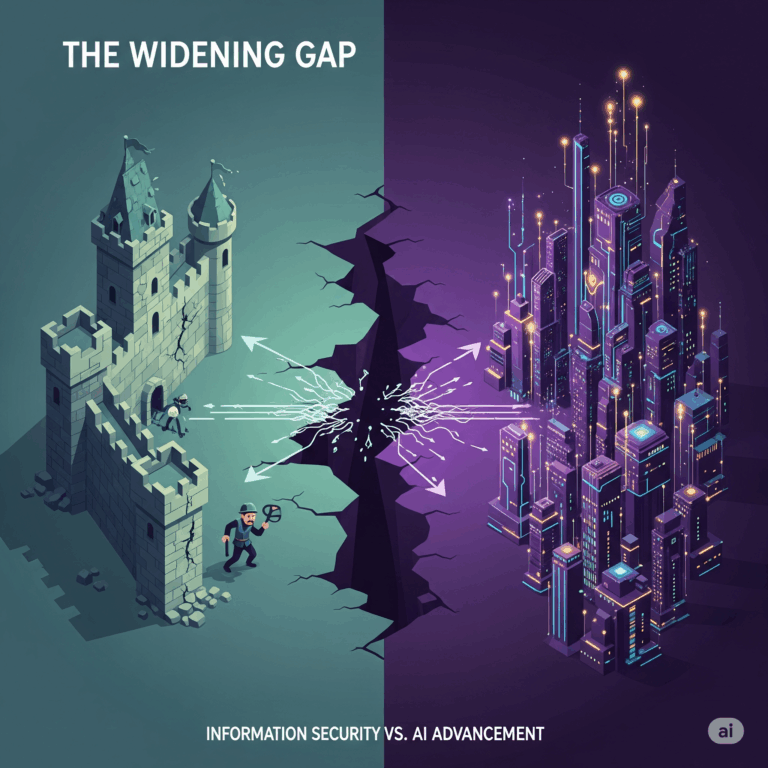
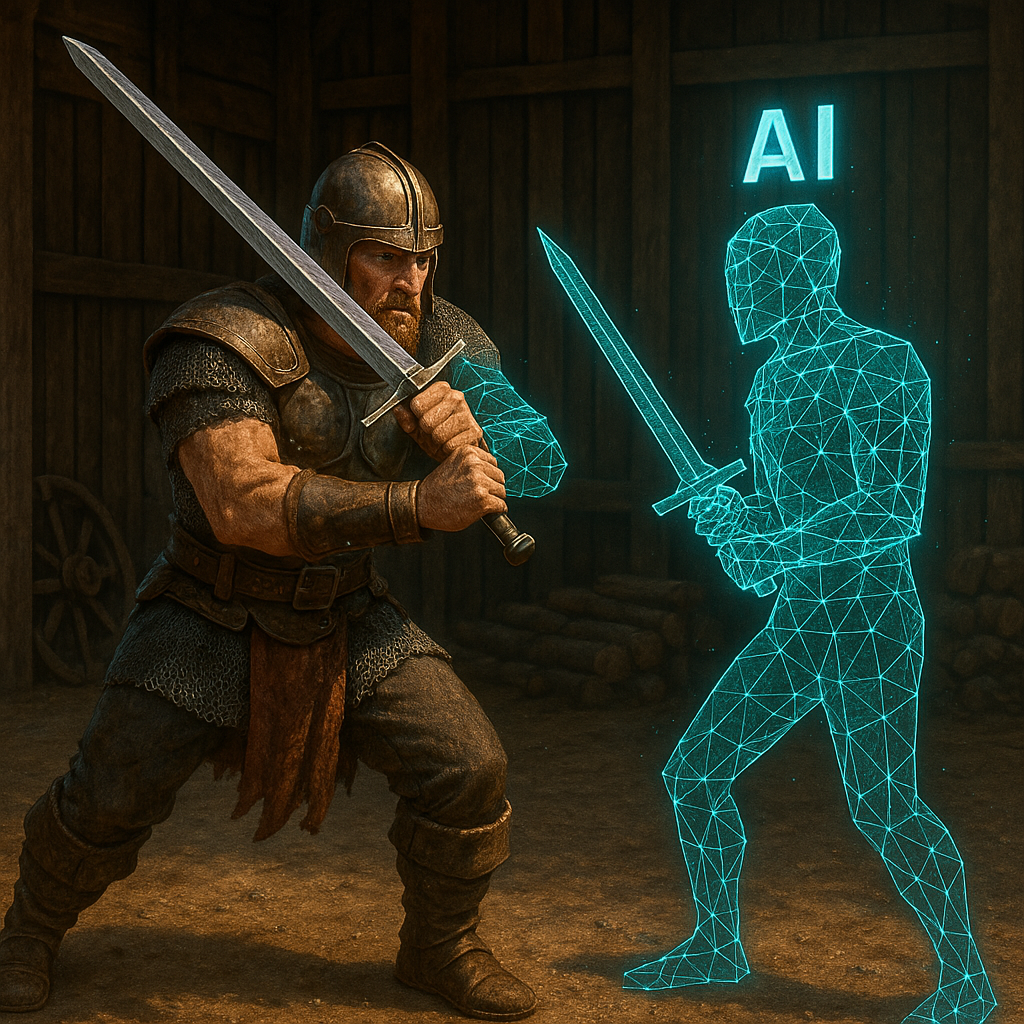
As AI tools take on greater responsibility in cybersecurity operations, upskilling cybersecurity professionals becomes critical. Without a workforce that understands how to interpret, manage, and align AI tools with mission objectives, even the best technologies will fall short. Upskilling ensures that human expertise evolves alongside automation.
Why Upskilling Is Essential in the Age of Cybersecurity AI
AI in cybersecurity introduces new workflows, tools, and decision-making dynamics. To ensure security teams remain effective, organizations must invest in continuous learning.
Closing the Human-AI Skills Gap
AI technologies require human oversight. Yet many security professionals lack experience with machine learning (ML), threat modeling, or data science. Upskilling helps bridge this gap, ensuring teams can evaluate AI outputs and mitigate associated risks.
Strengthening Cyber Defense Through Human Expertise
With AI accelerating threat detection, humans must evolve their roles. Strategic planning, anomaly interpretation, and ethical oversight cannot be automated. Investing in education sustains security maturity and compliance.
Key Skill Areas for Cybersecurity Professionals in AI-Environments
Future-ready security professionals need both technical and soft skills to collaborate with AI systems effectively.
1. Understanding AI and ML Concepts
Cyber teams should grasp fundamental AI concepts—such as supervised vs. unsupervised learning, model drift, and data labeling. This enables better model validation, tuning, and trust-building between operators and tools.
2. Data Fluency and Analytics
AI thrives on data. Security analysts should be trained in handling datasets, understanding analytics, and identifying bias or anomalies within AI-driven alerts.
3. Secure AI and Model Governance
Security teams must learn how to audit AI models, apply security controls to them, and align them with compliance frameworks such as NIST AI RMF or FedRAMP1.
4. Ethical and Regulatory Awareness
As AI expands, so does the need for ethical oversight. Understanding legal boundaries around data privacy, explainability, and bias ensures responsible use of AI in sensitive environments.
Upskilling Strategies That Deliver Results
Building an AI-ready workforce requires planning, funding, and leadership support.
Internal Training Programs
Organizations can offer workshops, cross-training sessions, and tabletop exercises focused on AI use cases. These help security staff apply AI concepts in real-world contexts.
External Certifications and Courses
Recognized certifications—such as MIT’s AI and Cybersecurity program, CompTIA Data+ or ISC2’s AI-related modules—equip professionals with technical and governance-oriented knowledge.
Mentorship and Role Rotation
Pairing security analysts with data scientists fosters collaboration and knowledge exchange. Role rotation across red, blue, and threat intel teams builds broader contextual understanding of AI tool impacts.
Creating a Culture of Continuous Learning
Upskilling is not a one-time task—it’s a mindset.
Encourage Experimentation
Allow security staff to test AI tools in controlled environments. Sandboxing AI responses and analyzing model behavior builds comfort and hands-on experience.
Celebrate Learning Milestones
Organizations should publicly recognize certifications, completed courses, or successful pilot programs. This incentivizes learning and reinforces its importance.
Integrate Learning Into Performance Metrics
Tie training goals to individual performance plans or team KPIs. This ensures accountability and communicates that AI readiness is a strategic priority.
Tools and Resources to Support Upskilling
A wide range of platforms and programs support cybersecurity upskilling for AI integration.
- Coursera, edX, and Cybrary offer AI and cybersecurity courses
- SANS Institute now includes AI-driven threat detection content
- MIT Sloan, Stanford Online offer strategic programs for AI in the enterprise
- Government training initiatives, like the CISA Cybersecurity Workforce Training Guide2
What’s Next in This Series?
In the final article of this series, we’ll examine what a balanced, human-centric AI architecture looks like in cybersecurity operations. We’ll explore hybrid SOC models, decision-making frameworks, and infrastructure best practices for long-term resilience.
References Cited:
1 NIST: AI Risk Management Framework (AI RMF)
2 CISA Cybersecurity Workforce Training Guide
3 MIT Sloan: Artificial Intelligence in Business Strategy
4 SANS: AI in Security Operations
About The Author