
In the world of federal cybersecurity, static, point-in-time assessments have long been the standard—but they’re no longer enough. Today’s cyber threats evolve hourly, not quarterly. The FedRAMP 20x Continuous Reporting Working Group is tackling this disconnect by shifting toward real-time, enforceable, and validated risk reporting. Their goal? Make risk transparency continuous, not episodic.
This evolution represents a critical part of FedRAMP’s modernization strategy. It aims to enable agencies to track the live security posture of cloud services, and give CSPs a chance to demonstrate security maturity through data, not just documentation.
What Is Continuous Reporting?
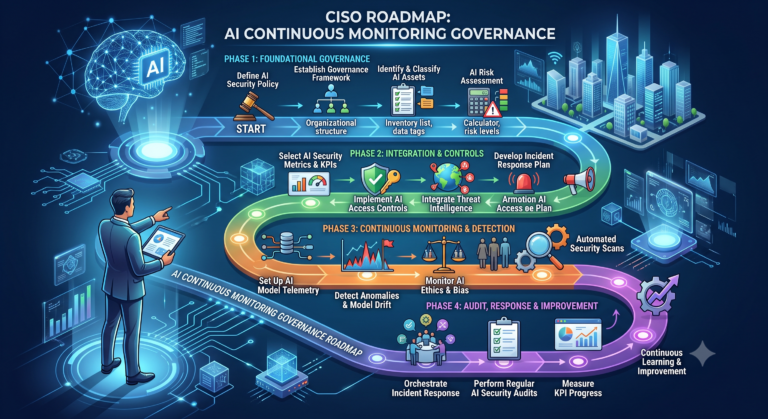
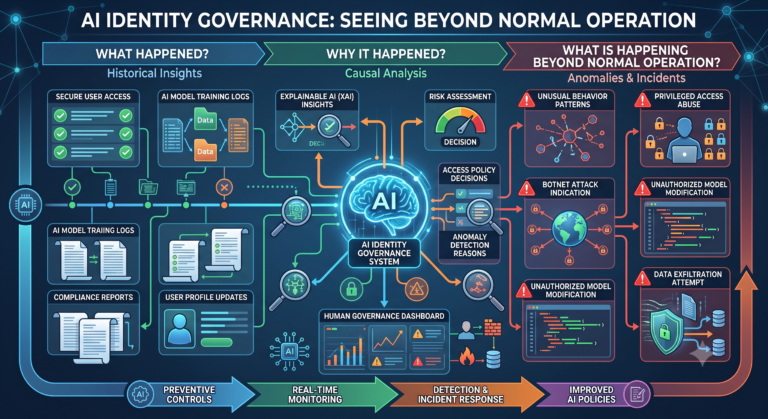
In contrast to traditional monthly or quarterly deliverables, continuous reporting involves automated, ongoing submission of security data. This includes system health metrics, vulnerability scan summaries, control status, patch levels, and more—all updated at frequent intervals (daily, hourly, or real-time).
The working group defines continuous reporting as:
“An ecosystem of data feeds, validation mechanisms, and visualization layers that collectively represent the current, enforceable risk posture of a FedRAMP-authorized system.”
Components of the Continuous Reporting Model
1. Real-Time Data Generation
CSPs must build or integrate tooling that continuously exports telemetry, control states, and event logs from production environments. Common sources include:
- Endpoint Detection and Response (EDR) platforms
- SIEM tools
- Vulnerability management scanners
- Patch management dashboards
- Network security appliances
2. Enforcement Mechanisms
To avoid window-dressing or stale data, the group emphasizes validated and enforced data sources. For example, instead of just reporting MFA is “enabled,” systems must verify and log real-time MFA usage events.
3. Reporting Infrastructure
Security posture data should be sent to a centralized, standardized portal—or made available to agency consumers via APIs or partner dashboards. OSCAL formats and JSON schemas are preferred for compatibility.
4. Role-Based Data Views
Agencies may need different levels of visibility:
- Security teams want raw risk and vulnerability data
- Executives want trends, anomalies, and SLA metrics
- Auditors want verification trails and policy enforcement history
Benefits of Continuous Reporting
Immediate Risk Awareness
Agencies can respond to emerging threats without waiting for formal reports. This is particularly critical during zero-day exploitation windows or emergency patch cycles.
Transparency Builds Trust
CSPs demonstrating continuous compliance via data may gain faster ATO renewals or ongoing authorization status, reducing disruption and cost.
Security as a Differentiator
FedRAMP-authorized providers that adopt continuous reporting can market superior visibility and accountability—a powerful message in competitive government procurements.
Key Challenges and Limitations
Data Overload
Too much data can overwhelm security teams and agency consumers. Continuous reporting must include data prioritization logic, alert thresholds, and summarization.
Lack of Standard Metrics
One CSP’s idea of a “critical vulnerability” may differ from another’s. The working group is developing Key Risk Indicators (KRIs) to standardize thresholds and response expectations.
Tooling Gaps
Smaller CSPs may lack the SIEMs or infrastructure to continuously export and verify telemetry. FedRAMP may need to support shared services or templates to lower barriers.
Security of the Reporting Pipeline
Ironically, the system built to monitor security must itself be secure. The reporting interfaces, APIs, and telemetry feeds must be tamper-resistant and access-controlled.
The Peer Network Effect
Like other FedRAMP 20x working groups, this one follows a community-influenced model, where participants contribute and validate methods collaboratively. This social-media-like approach enables collective vetting of reporting models before they are standardized.
This approach is powerful—but only if feedback loops are tight, and stakeholder voices are balanced by data quality enforcement and clear decision ownership.
Looking Ahead: A New FedRAMP Posture
Continuous reporting may pave the way for Continuous Authorization to Operate (cATO)—where ATO status is conditioned on real-time data, not fixed dates. In that future, FedRAMP becomes less of an audit and more of a living risk agreement between CSPs and government customers.
What’s Next in This Series?
The final post in this series will evaluate the social-media-style governance model underpinning all four working groups. We’ll explore how community-driven cybersecurity reform works—and where it must evolve to deliver trustworthy, actionable results at scale.
References Cited:
1 Continuous Reporting – FedRAMP 20x
2 NIST OSCAL
3 CISA’s Continuous Diagnostics and Mitigation (CDM) Program
4 FedRAMP Baseline Controls Rev 5
About The Author