
In today’s rapidly evolving digital landscape, cybersecurity threats are becoming increasingly sophisticated, posing significant risks to organizations worldwide. As technology advances, so do the methods employed by cybercriminals, leaving businesses scrambling to protect their data, systems, and reputations. Among the most pressing threats are ransomware attacks, supply chain vulnerabilities, and AI-driven malware. Understanding these emerging cybersecurity threats and how to combat them is critical for businesses looking to stay secure.
Ransomware: The Ever-Present Threat
Ransomware continues to dominate headlines, with attackers encrypting critical data and demanding hefty ransoms for its release. In 2024 alone, global ransomware attacks surged by 20%, costing businesses billions in losses. A recent high-profile example is the attack on a major U.S. hospital chain, which disrupted patient care and highlighted the life-or-death stakes of cybersecurity.
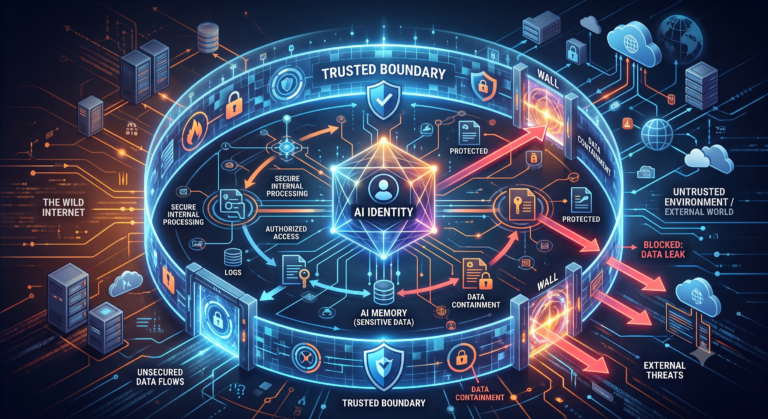
Businesses are fighting back by investing in advanced threat detection tools, robust data backups, and employee training. Because of emerging cybersecurity threats, organizations like CISA recommend implementing multi-factor authentication (MFA) and zero trust architectures to limit the damage ransomware can cause.
Supply Chain Attacks: The Silent Infiltrators
Supply chain attacks have emerged as a major concern, with cybercriminals exploiting vulnerabilities in third-party vendors to infiltrate larger organizations. The SolarWinds attack in 2020 served as a wake-up call, but recent incidents like the MOVEit file transfer breach in 2023 have underscored the ongoing risks of emerging cybersecurity threats.
To mitigate these risks, businesses are conducting more rigorous vendor assessments, implementing continuous monitoring of third-party systems, and enforcing stringent security requirements on their supply chain partners. The principle of least privilege is also gaining traction, limiting the access vendors have to critical systems amidst emerging cybersecurity threats.
AI-Driven Malware: The Next Frontier of Emerging Cybersecurity Threats
The rise of artificial intelligence (AI) has brought revolutionary advancements to many industries, but it has also equipped cybercriminals with powerful new tools. AI-driven malware can adapt to evade traditional security measures, making it harder to detect and neutralize. For example, polymorphic malware can alter its code with each iteration, bypassing signature-based detection systems.
The 2024 attack on a global financial institution showcased the destructive potential of AI in cybersecurity. Hackers deployed machine learning algorithms to mimic legitimate network traffic, enabling them to exfiltrate sensitive customer data undetected for months.
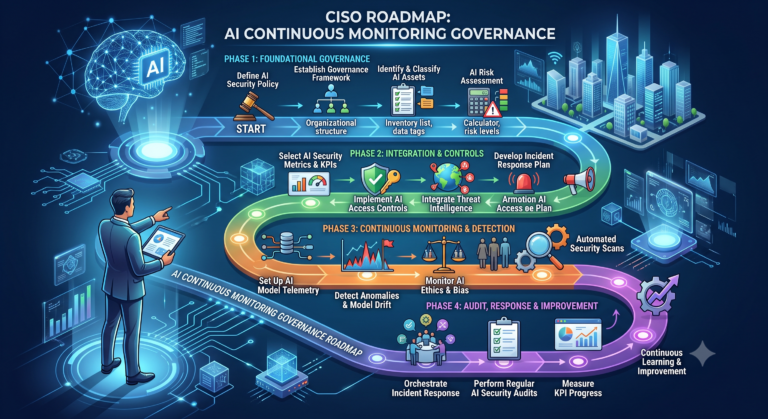
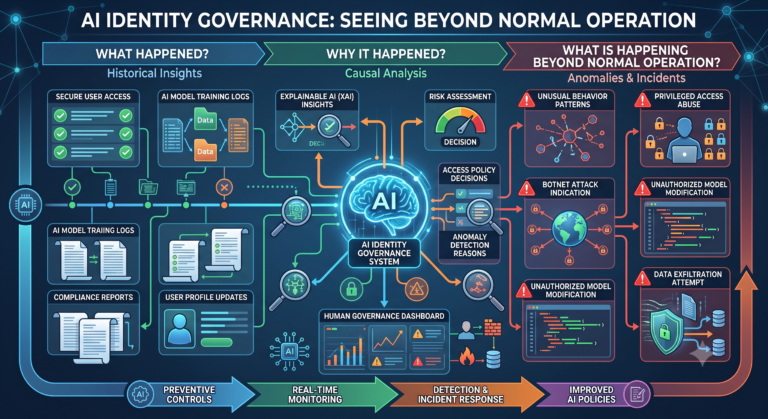
Businesses are countering AI-driven threats with AI-powered security tools, such as behavioral analytics systems that identify anomalies in user activity. Collaboration between cybersecurity firms and AI developers is also critical to staying ahead in this escalating arms race of emerging cybersecurity threats.
Expert Insights on Combating Breaches
To further explore how businesses can combat these threats, we spoke with Jane Doe, an incident response expert with over a decade of experience handling cyber breaches. According to Jane, “The key to effective breach management is preparation. Regular simulations, clear communication protocols, and a well-trained team can make all the difference when an incident occurs.”
Jane emphasizes the importance of transparency during a breach, both internally and externally. “Trust is critical. Be upfront with stakeholders about what’s happening and what steps are being taken to resolve the issue.” This approach is essential when dealing with emerging cybersecurity threats.
Conclusion
The cybersecurity landscape is becoming increasingly complex, but businesses can stay resilient by adopting proactive measures, investing in advanced technologies, and fostering a culture of cybersecurity awareness. With emerging threats like ransomware, supply chain attacks, and AI-driven malware, the stakes are higher than ever. By learning from real-world incidents and leveraging expert insights, organizations can better protect themselves and their customers from the evolving threat landscape. Emerging cybersecurity threats require constant vigilance and adaptation.
References Cited:
- CISA – 2024 Ransomware Advisory
- CISA – Zero Trust Maturity Model
- CISA – MFA Guidelines
- Reuters – MOVEit Breach 2023
- CISA – SolarWinds Alert
- OWASP – Principle of Least Privilege
- Palo Alto – AI-Driven Malware
- TechTarget – Polymorphic Malware
- IBM – Behavioral Analytics
About The Author