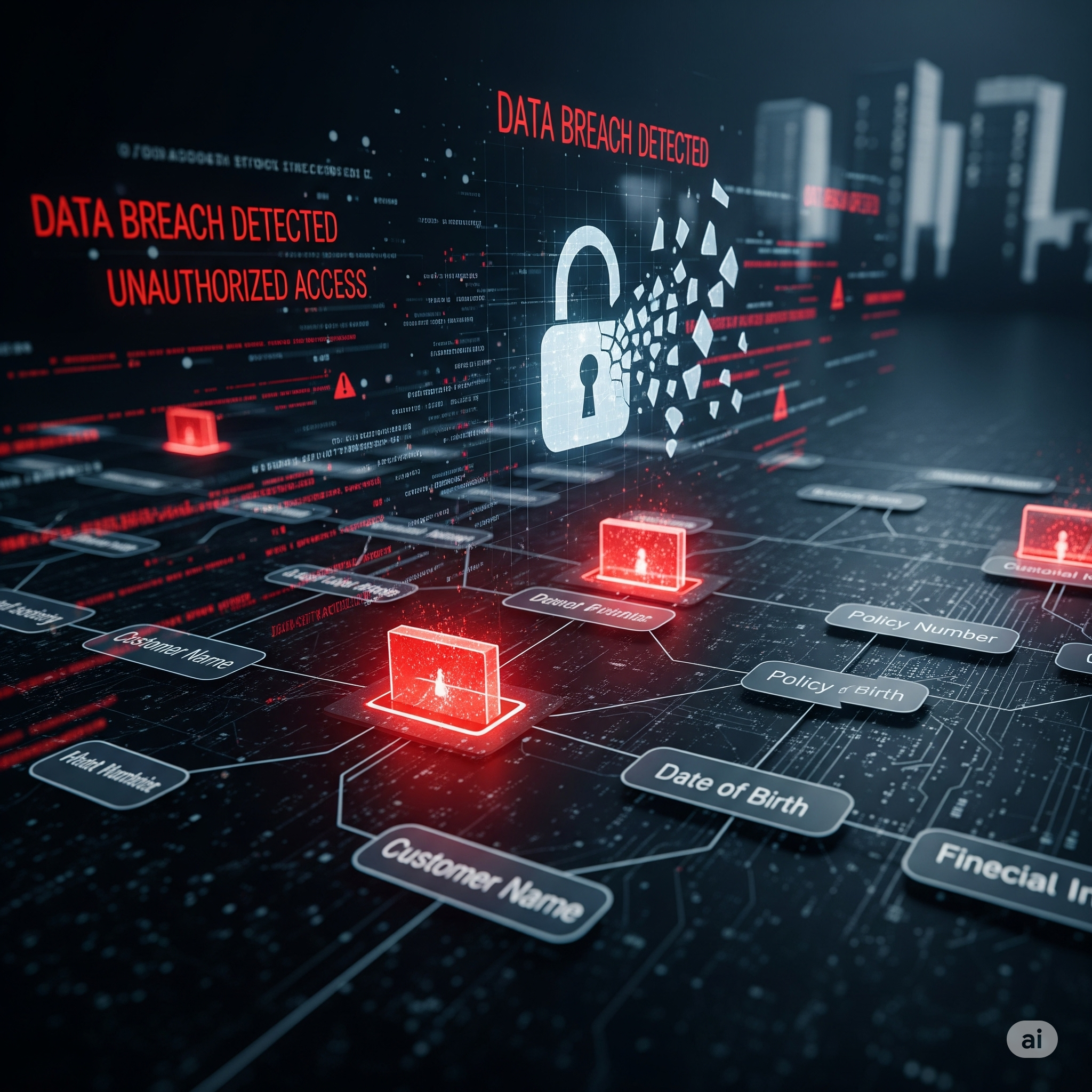
On July 16, 2025, Allianz Life Insurance Company of North America suffered a significant cybersecurity breach that compromised the personal data of the majority of its 1.4 million customers, along with financial professionals and select employees. This incident, reported by TechCrunch, highlights the growing vulnerabilities in the insurance sector and underscores the critical need for robust cybersecurity measures. As cybercriminals increasingly target sensitive industries, this breach serves as a stark reminder of the risks posed by third-party systems and social engineering tactics. This blog post explores the details of the Allianz Life breach, its implications, and actionable steps for organizations to strengthen their defenses.
The Allianz Life Cybersecurity Breach: What Happened?
On July 16, 2025, a malicious threat actor exploited a third-party, cloud-based customer relationship management (CRM) system used by Allianz Life. According to a statement from spokesperson Brett Weinberg, the attacker employed a social engineering technique to gain unauthorized access, bypassing the company’s internal network defenses. The breach was discovered the following day, July 17, and reported to the FBI. Allianz Life disclosed the incident in a mandatory filing with Maine’s Attorney General’s Office on July 26, as required by U.S. data breach notification laws.
The breach exposed personally identifiable information (PII) of the majority of Allianz Life’s 1.4 million U.S. customers, as well as financial professionals and select employees. While the exact number of affected individuals remains undisclosed, the scale suggests over a million customers may be at risk. The company confirmed that its internal systems, including the policy administration system, were not accessed, but the compromise of the third-party CRM system was sufficient to cause significant damage.
This incident is part of a broader wave of cyberattacks targeting the insurance industry. Security researchers at Google noted in June 2025 that the sector has faced multiple intrusions, with groups like Scattered Spider leveraging social engineering to exploit vulnerabilities. The Allianz Life breach aligns with this trend, raising questions about the security of third-party vendors and the adequacy of current cybersecurity practices.
Social Engineering: The Achilles’ Heel of Cybersecurity
How Social Engineering Fueled the Breach
Social engineering, the tactic used in the Allianz Life cybersecurity breach, involves manipulating individuals into divulging sensitive information or granting unauthorized access. In this case, the attacker likely targeted employees or third-party vendor staff, posing as a trusted entity to trick them into providing access to the CRM system. This method exploits human trust rather than technical vulnerabilities, making it particularly difficult to defend against.
According to Reuters, the breach occurred on July 16 and was detected a day later, indicating a rapid response but also the speed with which attackers can extract data. Social engineering attacks, such as phishing or pretexting, are highly effective because they bypass traditional security measures like firewalls and intrusion detection systems. The Cybersecurity and Infrastructure Security Agency (CISA) emphasizes that social engineering is a leading cause of data breaches, urging organizations to prioritize employee training and awareness.
Why Social Engineering Works
Social engineering exploits psychological vulnerabilities, such as trust, urgency, or fear. Attackers may impersonate IT staff, executives, or vendors to deceive employees into sharing credentials or clicking malicious links. In the Allianz Life breach, the attacker’s ability to access a third-party CRM system suggests a failure in vendor security protocols or inadequate verification processes. This highlights a critical gap in many organizations’ cybersecurity frameworks: the human element.
The National Institute of Standards and Technology (NIST) recommends multi-factor authentication (MFA) and regular security training to mitigate social engineering risks. However, these measures are only effective if consistently applied across all third-party systems, a challenge for organizations relying on external vendors.
The Role of Third-Party Vendors in Cybersecurity Risks
The Growing Threat of Third-Party Breaches
The Allianz Life cybersecurity breach underscores the risks associated with third-party vendors. The compromised CRM system was not hosted on Allianz Life’s internal network but on a cloud-based platform managed by an external provider. While Allianz Life stated that its core systems remained secure, the breach demonstrates that third-party systems can be a weak link in an organization’s security posture.
A report by BleepingComputer suggests that the CRM system may have been Salesforce, though Allianz Life declined to confirm this. Third-party platforms like Salesforce are widely used for their scalability and functionality, but they also present attractive targets for cybercriminals. A single breach in a shared platform can affect multiple organizations, amplifying the impact.
Vendor Management Challenges
Organizations often struggle to enforce consistent security standards across their vendor ecosystems. The Ponemon Institute estimates that 59% of data breaches involve third-party vendors, highlighting the need for rigorous vendor risk management. Allianz Life’s reliance on a cloud-based CRM system illustrates the complexity of securing distributed IT environments. Companies must ensure that vendors adhere to strict security protocols, including encryption, access controls, and regular audits.
The Allianz Life breach also raises questions about vendor transparency. Without clear communication about the affected platform or the specific vulnerabilities exploited, it’s challenging for customers and stakeholders to assess their risk exposure. NIST’s Cybersecurity Framework recommends conducting thorough vendor assessments and establishing contractual security requirements to mitigate these risks.
Implications for Customers and the Insurance Industry
Risks to Affected Customers
The theft of PII for over a million Allianz Life customers poses significant risks, including identity theft, financial fraud, and phishing attacks. PII typically includes names, addresses, Social Security numbers, and financial details—data that cybercriminals can exploit for profit. According to CBS News, Allianz Life plans to offer 24 months of identity theft protection and credit monitoring to affected individuals starting around August 1, 2025.
Customers should take proactive steps to protect themselves, such as monitoring credit reports, freezing credit files, and enabling fraud alerts. The Federal Trade Commission (FTC) provides resources for victims of data breaches, including steps to secure accounts and report suspicious activity.
Industry-Wide Impact
The Allianz Life cybersecurity breach is part of a broader trend targeting the insurance sector. Other companies, such as Aflac, have recently faced similar attacks, with TechCrunch reporting a breach affecting an unknown number of Aflac’s 50 million customers. Security researchers attribute these attacks to groups like Scattered Spider, known for targeting industries with large volumes of sensitive data.
The insurance industry’s reliance on digital platforms and third-party vendors makes it a prime target. As WinBuzzer notes, these attacks highlight the need for enhanced cybersecurity measures and regulatory scrutiny. The Allianz Life breach may prompt investigations into third-party vendor practices and could lead to stricter data protection regulations.
Lessons Learned: Strengthening Cybersecurity in the Insurance Sector
Enhancing Employee Training
To combat social engineering, organizations must invest in comprehensive employee training programs. CISA’s Cybersecurity Awareness Training emphasizes recognizing phishing attempts, verifying requests, and reporting suspicious activity. Regular simulations and drills can help employees identify and respond to social engineering tactics effectively.
Improving Third-Party Risk Management
The Allianz Life breach highlights the importance of robust vendor risk management. Organizations should:
- Conduct regular security audits of third-party vendors.
- Require vendors to implement MFA and encryption.
- Establish clear incident response protocols for third-party breaches.
The NSA’s Cybersecurity Information Sheets provide guidance on securing third-party systems, including supply chain risk management.
Adopting a Zero-Trust Architecture
A zero-trust security model, which assumes no user or system is inherently trustworthy, can reduce the risk of breaches. NIST’s Zero Trust Architecture recommends continuous verification, least privilege access, and micro-segmentation to limit attacker movement. Implementing zero-trust principles across internal and third-party systems could have mitigated the impact of the Allianz Life breach.
Leveraging Advanced Threat Detection
Advanced threat detection tools, such as AI-driven anomaly detection and endpoint monitoring, can identify suspicious activity in real time. According to The Register, Allianz Life’s rapid detection of the breach on July 17 demonstrates the value of proactive monitoring. Organizations should invest in security information and event management (SIEM) systems to enhance visibility and response capabilities.
The Broader Cybersecurity Landscape
The Rise of Scattered Spider and Similar Threat Actors
The Allianz Life cybersecurity breach aligns with a pattern of attacks attributed to Scattered Spider, a hacking collective known for sophisticated social engineering tactics. As WinBuzzer reports, Scattered Spider has targeted industries ranging from technology to retail and now insurance. Their ability to pivot across sectors underscores the need for cross-industry collaboration to share threat intelligence and best practices.
Regulatory and Legal Implications
The Allianz Life breach may lead to increased regulatory scrutiny. In the U.S., data breach notification laws vary by state, but incidents of this scale often trigger federal oversight. The Securities and Exchange Commission (SEC) and other regulators may investigate Allianz Life’s vendor management practices and response protocols. Organizations must stay informed about compliance requirements, such as those outlined in NIST’s SP 800-53, to avoid penalties.
Future Trends in Cybersecurity
As cyberattacks become more sophisticated, the insurance industry must adapt. Emerging technologies, such as AI and blockchain, offer opportunities to enhance data security, but they also introduce new risks. The World Economic Forum predicts that cybercrime will cost the global economy $10.5 trillion annually by 2025, emphasizing the urgency of proactive measures.
The Allianz Life cybersecurity breach is a wake-up call for the insurance industry and beyond. It highlights the vulnerabilities introduced by third-party systems, the devastating impact of social engineering, and the need for comprehensive cybersecurity strategies. By prioritizing employee training, vendor risk management, and advanced threat detection, organizations can better protect sensitive data and maintain customer trust. As the threat landscape evolves, staying vigilant and adaptable is not just an option—it’s a necessity.
References Cited
- TechCrunch: Allianz Life says ‘majority’ of customers’ personal data stolen in cyberattack
- Reuters: Allianz Life says majority of US customers’ data stolen in hack
- BleepingComputer: Allianz Life confirms data breach impacts majority of 1.4 million customers
- CBS News: Allianz Life data breach affects majority of 1.4 million U.S. customers
- WinBuzzer: Allianz Life confirms major data breach affecting majority of 1.4M customers
- Ponemon Institute: Third-Party Risk Report
- The Register: Majority of 1.4M customers caught in Allianz Life data heist
About The Author