
Skip to content
The FedNinjas

The Fedninjas

FedNinjas: Your Guide to Federal Cloud, Cybersecurity, and FedRAMP Success.

Primary Menu
  • Home
  • Blog
  • Podcast
Listen to us on Spotify!

How AI Can Be Seamlessly Integrated into Cybersecurity Operations

Eric Adams April 7, 2025 4 minutes read
AI Ops

The growing complexity and scale of cyber threats demand innovative approaches. Artificial intelligence (AI) offers real-time threat detection, predictive analytics, and automation—but successful integration into cybersecurity operations requires careful planning. Rather than replacing human expertise, AI should complement it to create faster, smarter, and more resilient security environments.

Understanding the Role of AI in Cybersecurity

AI enhances cybersecurity by processing vast amounts of data, identifying patterns, and responding to threats more quickly than manual methods.

AI for Threat Detection and Analysis

AI systems are highly effective in recognizing anomalies across networks, user behavior, and access patterns. By continuously learning from new data, AI can detect malware, phishing attempts, and unusual traffic before traditional tools might react.

Predictive Security and Risk Scoring

Machine learning (ML) models can assess vulnerabilities and predict potential attack vectors. These insights allow security teams to proactively patch systems and address misconfigurations before they are exploited.

Use Cases: AI in Action Across Cybersecurity Operations

Real-world applications of AI are already reshaping how organizations defend against cyber threats.

Security Information and Event Management (SIEM)

AI-enhanced SIEM platforms such as Splunk and IBM QRadar analyze log data at scale, prioritize alerts, and reduce false positives. They enable threat hunters to focus on critical incidents instead of getting bogged down by noise.

User and Entity Behavior Analytics (UEBA)

By understanding normal behavior, AI can detect subtle deviations that may indicate insider threats or credential compromise. These tools empower analysts to investigate suspicious activity with context and confidence.

Automated Incident Response

With AI-driven orchestration, security platforms can automatically isolate infected systems, block malicious IPs, and initiate remediation workflows. This cuts response time drastically and minimizes damage.

Steps to Successfully Integrate AI into Cybersecurity

To realize the full potential of AI, organizations must adopt a thoughtful and structured approach to integration.

1. Identify Operational Gaps

Start by pinpointing inefficiencies or bottlenecks in your existing security operations. Whether it’s slow incident triage or too many false alarms, these pain points can guide AI deployment.

2. Choose the Right Tools

Not all AI solutions are equal. Evaluate tools based on accuracy, ease of integration, scalability, and vendor transparency. Solutions like CrowdStrike, Darktrace, and Microsoft Defender offer AI-driven features tailored to different organizational needs.

3. Prioritize Interoperability

Ensure that new AI tools integrate with existing systems such as firewalls, endpoint detection and response (EDR), and identity management platforms. Seamless interoperability prevents data silos and enables centralized visibility.

4. Establish Oversight and Governance

Define clear policies around AI usage. This includes human review of automated decisions, logging AI actions for auditability, and ensuring ethical standards are maintained.

Addressing Security and Compliance Concerns

While AI enhances security, it also introduces new risks and compliance considerations.

Model Explainability and Transparency

Security leaders must understand how AI systems make decisions. Black-box models may raise red flags during audits or regulatory reviews. Choose tools that offer explainable AI or transparent decision-making.

Regulatory Compliance Requirements

Frameworks such as NIST CSF, FedRAMP, and CMMC emphasize accountability and control. Automated decisions must be documented and reviewed. AI actions should align with documented policies and access controls.

Data Privacy and Ethics

AI systems depend on data—and lots of it. Organizations must protect user privacy, avoid bias in AI models, and ensure adherence to GDPR, HIPAA, or other relevant regulations.

Human-AI Collaboration in the SOC

The best results come from security teams that integrate AI into their daily workflows—not as a crutch, but as a co-pilot.

Upskilling Analysts

Training security analysts to interpret AI outputs and adjust models ensures continued performance. Understanding AI reasoning helps them make faster, better-informed decisions.

Enhancing Decision-Making

AI can highlight hidden patterns or correlate events across disparate systems. Human analysts, with their intuition and context awareness, turn these insights into action.

What’s Next in This Series?

Our next article will focus on common pitfalls and limitations when deploying AI in cybersecurity environments. We’ll explore where AI tends to fail, how to avoid overreliance, and how to mitigate associated risks in government and critical infrastructure settings.


References Cited:

1 NIST Cybersecurity Framework (CSF)

2 CISA: Using AI in Cybersecurity Operations

3 Darktrace – AI-Powered Threat Detection

4 Gartner – AI Integration in Security Operations

5 Microsoft: The Future of Cyber Defense with AI

About The Author

Eric Adams

See author's posts

Post navigation

Previous: Why Human Expertise Still Matters in Modern IT Operations
Next: Common Pitfalls and Limitations of AI in Cybersecurity

Related Stories

AI-orchestrated-cyber-espionage-campaign

The Rise of AI Espionage: How Autonomous Agents Are Redefining Cyber Threats

Eric Adams November 17, 2025
Cybersecurity during wartime

Escalating Cybersecurity Concerns During Global Conflicts

Eric Adams June 18, 2025
Cyber security attacker data breach erosion of customer trust

Erosion of Customer Trust: The Fallout of Reducing Cybersecurity Headcount

Eric Adams May 25, 2025

Trending News

Claude Mythos and Project Glasswing: a Seismic Shift in Cybersecurity Claude Mythos and Glasswing Butterfly 1

Claude Mythos and Project Glasswing: a Seismic Shift in Cybersecurity

April 21, 2026
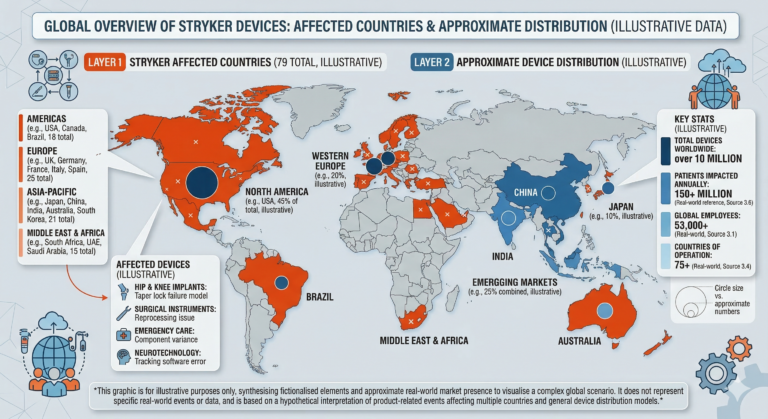
The Stryker Cyber Attack: A Mass Remote Wipe of its Managed Devices Stryker affected countries 2

The Stryker Cyber Attack: A Mass Remote Wipe of its Managed Devices

March 19, 2026
Agentic AI is the Attack Surface Agentic AI attack surfaces 3

Agentic AI is the Attack Surface

February 3, 2026
The Rise of Humanoid Robots in Modern Society Humanoid robots getting hackied 4

The Rise of Humanoid Robots in Modern Society

December 29, 2025
The Rise of AI Espionage: How Autonomous Agents Are Redefining Cyber Threats AI-orchestrated-cyber-espionage-campaign 5

The Rise of AI Espionage: How Autonomous Agents Are Redefining Cyber Threats

November 17, 2025
  • 3PAO assessments
  • Access Control
  • Advanced Threat Protection
  • Adversarial Modeling
  • Agentic AI
  • AI
  • AI and Quantum Computing
  • AI in Healthcare
  • AI-Powered SOCs
  • AI-Powered Tools
  • Anomaly Detection
  • API Security
  • Application Security
  • Artificial Intelligence
  • Artificial Intelligence
  • Artificial Intelligence in Cybersecurity
  • Attack Surface Management
  • Attack Surface Reduction
  • Audit and Compliance
  • Autonomous Systems
  • Blockchain
  • Breach Severity
  • Business
  • Career
  • CISA Advisory
  • CISO
  • CISO Strategies
  • Cloud
  • Cloud Computing
  • Cloud Security
  • Cloud Security
  • Cloud Service Providers
  • Compliance
  • Compliance And Governance
  • Compliance and Regulatory Affairs
  • Compliance And Regulatory Requirements
  • Continuous Monitoring
  • Continuous Monitoring
  • Corporate Security
  • Critical Infrastructure
  • Cross-Agency Collaboration
  • Cryptocurrency
  • Cyber Attack
  • Cyber Attacks
  • Cyber Deterrence
  • Cyber Resilience
  • Cyber Threats
  • Cyber-Physical Systems
  • Cyberattacks.
  • Cybercrime
  • Cybersecurity
  • Cybersecurity And Sustainability
  • Cybersecurity Breaches
  • Cybersecurity in Federal Programs
  • Cybersecurity Measures
  • Cybersecurity Strategy
  • Cybersecurity Threats
  • Data Breach
  • Data Breaches
  • Data Privacy
  • Data Protection
  • Data Security
  • Deepfake Detection
  • Deepfakes
  • Defense Readiness
  • Defense Strategies
  • Digital Twins
  • Disaster Recovery
  • Dwell Time
  • Encryption
  • Encryption Technologies
  • Federal Agencies
  • Federal Cloud
  • Federal Cybersecurity
  • Federal Cybersecurity Regulations
  • Federal Government
  • FedRamp
  • FedRAMP Compliance
  • Game Theory
  • GDPR
  • Global Security Strategies
  • Government
  • Government Compliance.
  • Government Cybersecurity
  • Healthcare
  • Healthcare Cybersecurity
  • Healthcare Technology
  • HIPAA Compliance
  • humanoid
  • Humans
  • Incident Response
  • Industrial Control Systems (ICS)
  • Information Security
  • Insider Threats
  • Internet of Things
  • Intrusion Detection
  • IoT
  • IoT Security
  • IT Governance
  • IT Security
  • Least Privilege
  • LLM Poisoning
  • Modern Cyber Defense
  • Nation-State Hackers
  • National Cybersecurity Strategy
  • National Security
  • Network Security
  • NHI
  • NIST Cybersecurity Framework
  • Operational Environments
  • Phishing
  • Privacy
  • Public Safety
  • Quantum Computing
  • Ransomware
  • Real-World Readiness
  • Red Teaming
  • Regulatory Compliance
  • Risk Assessment
  • Risk Management
  • Risk Management
  • Risk-Based Decision Making
  • robotics
  • Secure Coding Practices
  • Security Awareness
  • Security Operations Center
  • Security Operations Center (SOC)
  • Security Threats
  • Security Training
  • SIEM Tools
  • Social Engineering
  • Supply Chain Cybersecurity
  • Supply Chain Risk Management
  • Supply Chain Security
  • Sustainability
  • Tech
  • Technology
  • Third Party Security
  • Third-Party Risk Management
  • Third-Party Vendor Management
  • Threat Analysis
  • Threat Containment
  • Threat Defense
  • Threat Detection
  • Threat Intelligence
  • Threat Landscape
  • Training
  • Uncategorized
  • vCISO
  • Voice Phishing
  • Vulnerability Disclosure
  • Vulnerability Management
  • Workforce
  • Zero Trust Architecture
  • Zero Trust Authentication
  • Zero-Day Exploits
  • Zero-Day Vulnerabilities
  • Zero-Trust Architecture

You may have missed

Claude Mythos and Glasswing Butterfly

Claude Mythos and Project Glasswing: a Seismic Shift in Cybersecurity

Eric Adams April 21, 2026
Stryker affected countries

The Stryker Cyber Attack: A Mass Remote Wipe of its Managed Devices

Eric Adams March 19, 2026
Agentic AI attack surfaces

Agentic AI is the Attack Surface

Eric Adams February 3, 2026
Humanoid robots getting hackied

The Rise of Humanoid Robots in Modern Society

Eric Adams December 29, 2025
Copyright © All rights reserved.