
Internet of Things
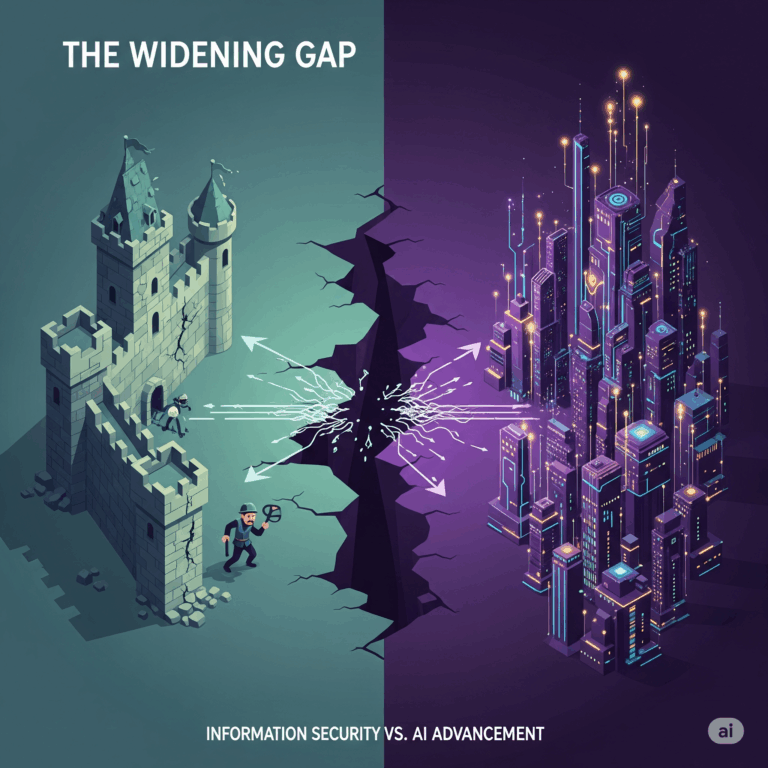
Cybersecurity is evolving rapidly, driven by technological advancements, increasing cyber threats, and the growing role of artificial intelligence (AI) and automation. As organizations adapt to new challenges, the cybersecurity job market is shifting, creating emerging roles and redefining traditional ones. This article explores the future of cybersecurity careers, the impact of AI and automation, and the skills that will be in high demand.
The Impact of AI and Automation on Cybersecurity Jobs
1. AI-Driven Threat Detection and Response
AI and machine learning (ML) are transforming how organizations detect and respond to cyber threats. Automated security systems analyze vast amounts of data in real time, identifying patterns and anomalies faster than human analysts.
- Emerging Roles: AI Security Engineer, Machine Learning Threat Analyst, AI-Powered Incident Responder.
- Key Skills: AI ethics, data science, automation scripting, and adversarial ML.
2. The Rise of Security Automation
Security automation is reducing the need for manual threat detection and response, allowing cybersecurity teams to focus on complex security issues.
- Emerging Roles: Security Automation Engineer, DevSecOps Specialist.
- Key Skills: Python, PowerShell, SOAR (Security Orchestration, Automation, and Response), and CI/CD pipeline security.
3. AI-Enhanced Cyber Defense Strategies
Organizations are leveraging AI to create proactive security measures, predicting and mitigating threats before they occur.
- Emerging Roles: AI-Powered Risk Analyst, Cyber Threat Intelligence Analyst.
- Key Skills: Predictive analytics, AI-driven risk assessment, and automated threat hunting.
Emerging Cybersecurity Roles and Specializations
1. Zero Trust Security Architect
Zero Trust is becoming the standard security model, requiring specialists who can design and implement policies that enforce least-privilege access.
- Key Skills: Identity and Access Management (IAM), cloud security, micro-segmentation.
2. Cloud Security Engineer
With the rise of cloud computing, securing cloud environments is more critical than ever.
- Key Skills: AWS, Azure, Google Cloud security, container security (Kubernetes, Docker).
3. Quantum Cryptography Specialist
As quantum computing advances, traditional encryption methods will become obsolete. Specialists in quantum-resistant cryptography will be essential.
- Key Skills: Post-quantum cryptography, encryption algorithms, quantum key distribution.
4. Cybersecurity Compliance and Regulatory Specialist
As governments introduce stricter data protection laws, organizations need professionals to navigate cybersecurity regulations.
- Key Skills: GDPR, CCPA, HIPAA, SOC 2 compliance, risk management frameworks.
5. Digital Forensics and Incident Response (DFIR) Specialist
Cybercrime is increasing, making DFIR experts crucial for investigating breaches and mitigating damage.
- Key Skills: Forensic analysis, malware reverse engineering, threat intelligence.
The Future of Cybersecurity Job Demand
According to industry reports, cybersecurity job demand is expected to grow significantly:
- By 2025, there will be an estimated 3.5 million unfilled cybersecurity jobs worldwide.
- AI and automation will augment, not replace, cybersecurity professionals.
- Cloud security, AI security, and compliance roles will be among the fastest-growing specializations.
How to Prepare for the Future of Cybersecurity
1. Develop AI and Automation Skills
Learning how AI and automation impact security will be critical. Key learning paths include:
- Courses in machine learning for cybersecurity.
- Hands-on experience with SOAR platforms.
- Understanding AI-driven threat intelligence tools.
2. Gain Hands-On Cloud Security Experience
With most businesses moving to the cloud, cloud security knowledge is essential. Recommended certifications:
- AWS Certified Security – Specialty
- Microsoft Certified: Azure Security Engineer Associate
- Google Professional Cloud Security Engineer
3. Specialize in a Niche Field
The future of cybersecurity will favor specialists over generalists. Consider specializing in:
- Threat intelligence and adversary simulation
- Quantum cryptography and secure communications
- Zero Trust security and access management
4. Stay Updated on Emerging Threats
Cybersecurity is constantly evolving. Engage in continuous learning by:
- Attending industry conferences like Black Hat, DEF CON, and RSA Conference.
- Participating in Capture The Flag (CTF) competitions.
- Following cybersecurity news sources and research papers.
What’s Next in This Series?
This article is part of the Cybersecurity Career Series. Next, we will explore:
- Cybersecurity Specializations: Which One is Right for You? – A deep dive into different career paths within cybersecurity, helping you choose the best specialization based on your interests and skills.
The cybersecurity job landscape is changing, with AI, automation, and emerging threats reshaping career opportunities. By developing the right skills and staying ahead of industry trends, you can position yourself for success in this dynamic field.
References Cited:
- Cybersecurity Workforce Study 2024
- AI and Cybersecurity: The Future of Threat Detection
- The Role of Automation in Cybersecurity
About The Author