
Organizations face an unprecedented volume of threats, making it crucial to have a robust security information and event management (SIEM) system in place. However, with the emergence of extended detection and response (XDR) and security orchestration, automation, and response (SOAR) solutions, the lines between these technologies have become blurred, leading many to wonder about SIEM vs. XDR vs. SOAR. In this article, we’ll delve into the differences between SIEM, XDR, and SOAR, helping you choose the right tool for your organization’s security needs.
The Evolution of SIEM
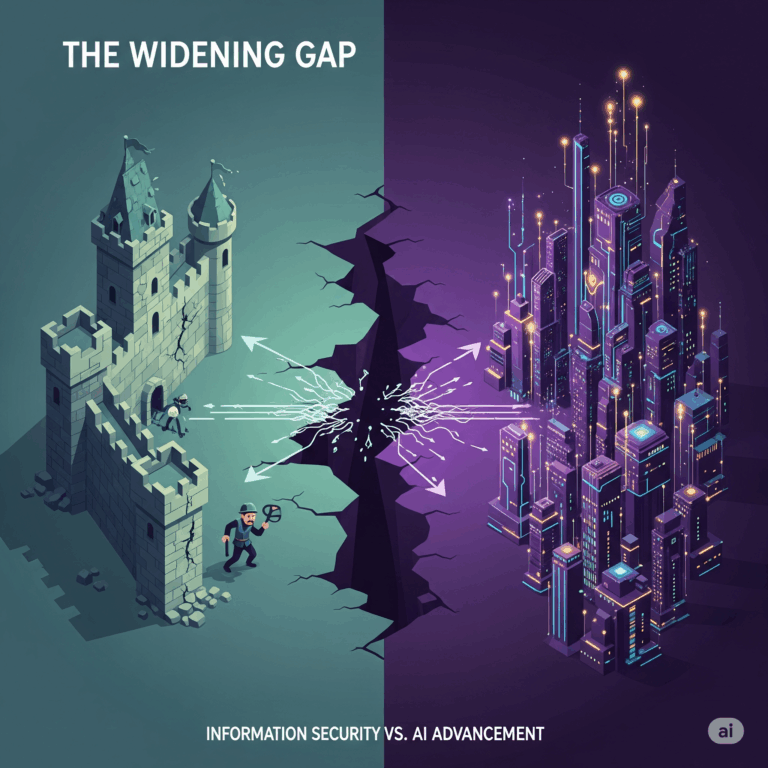
SIEM systems have been the cornerstone of security monitoring for decades, providing real-time visibility into security-related data from various sources. Traditionally, SIEM solutions focused on log collection, storage, and analysis, enabling security teams to detect and respond to threats. However, as the threat landscape has evolved, the comparison of SIEM vs. XDR vs. SOAR has become more significant, highlighting SIEM systems’ struggles to keep pace with new challenges. The sheer volume of log data, combined with the complexity of modern threats, has made it challenging for traditional SIEM solutions to provide accurate threat detection and response.
In recent years, SIEM vendors have attempted to address these limitations by incorporating advanced analytics, machine learning, and threat intelligence. While these enhancements have improved SIEM capabilities, they still fall short in providing comprehensive threat detection and response.
Enter XDR: A New Approach to Threat Detection
XDR solutions have emerged as a response to the shortcomings of traditional SIEM systems. XDR takes a more holistic approach to threat detection, integrating multiple security controls and tools to provide a unified view of the attack surface. By combining endpoint, network, and cloud security data, XDR solutions can detect threats across the entire attack continuum, from initial breach to lateral movement. This highlights a crucial aspect of understanding SIEM vs. XDR vs. SOAR capabilities.
XDR’s strength lies in its ability to provide real-time visibility into threats, leveraging advanced analytics and machine learning to identify malicious activity. Additionally, XDR solutions often include automated response capabilities, enabling organizations to respond quickly and effectively to detected threats.
SOAR: Orchestrating Security Response
Gaining popularity in recent years, SOAR solutions focus on improving security incident response through automation and orchestration. SOAR platforms integrate with various security tools and systems, providing a centralized platform for incident response. By automating repetitive tasks and streamlining incident response processes, SOAR solutions enable security teams to respond more efficiently and effectively to threats. The debate of SIEM vs. XDR vs. SOAR demonstrates SOAR’s role in enhancing security operations.
SOAR’s key benefits include reduced mean time to detect (MTTD) and mean time to respond (MTTR), enabling organizations to minimize the impact of security incidents. Additionally, SOAR solutions provide valuable insights into incident response processes, facilitating continuous improvement and optimization.
SIEM vs. XDR vs. SOAR: Key Differences
So, how do SIEM, XDR, and SOAR solutions differ? Here’s a summary:
- SIEM: Focuses on log collection, storage, and analysis, providing visibility into security-related data. SIEM solutions often struggle with accurate threat detection and response.
- XDR: Takes a holistic approach to threat detection, integrating multiple security controls and tools to provide a unified view of the attack surface. XDR solutions offer advanced analytics, real-time visibility, and automated response capabilities.
- SOAR: Focuses on improving security incident response through automation and orchestration. SOAR platforms integrate with various security tools and systems, providing a centralized platform for incident response.
| Feature | SIEM (Security Information and Event Management) | XDR (Extended Detection and Response) | SOAR (Security Orchestration, Automation, and Response) |
|---|---|---|---|
| Primary Function | Monitor and analyze security-related data from various sources | Detect and respond to threats across multiple security layers | Automate and streamline security incident response |
| Key Features | Log management, threat detection, incident response | Endpoint, network, and cloud security, threat intelligence | Incident response automation, playbooks, and workflows |
| Benefits | Improved threat detection, compliance, and incident response | Enhanced threat detection, reduced false positives, and improved incident response | Increased efficiency, reduced response time, and improved incident management |
| Use Cases | Threat hunting, compliance monitoring, incident response | Threat detection, incident response, security analytics | Incident response, security automation, and orchestration |
| Deployment | On-premises, cloud, or hybrid | Cloud, on-premises, or hybrid | Cloud, on-premises, or hybrid |
When choosing between SIEM, XDR, and SOAR, consider the following factors:
- Security maturity: SIEM solutions are often suitable for organizations with established security teams and processes. XDR and SOAR solutions may be more suitable for organizations looking to modernize their security posture.
- Threat landscape: If your organization faces advanced, persistent threats, XDR’s holistic approach to threat detection may be more effective. For organizations struggling with incident response, SOAR’s automation and orchestration capabilities may be more beneficial.
- Resource constraints: SIEM solutions often require significant resources for implementation and maintenance. XDR and SOAR solutions may be more resource-efficient, as they often provide cloud-based or managed services.
Choosing the Right Tool for Your Organization
Ultimately, the choice between SIEM, XDR, and SOAR depends on your organization’s unique security needs and goals. When evaluating these solutions, consider the following:
- Define your security objectives: Identify your organization’s security priorities and goals.
- Assess your security posture: Evaluate your organization’s current security capabilities and identify areas for improvement.
- Evaluate vendor offerings: Research and compare SIEM, XDR, and SOAR vendors, considering factors such as features, pricing, and customer support.
By carefully considering your organization’s security needs and evaluating the strengths and weaknesses of each solution, you can make an informed decision about which tool is right for you.
In the world of cybersecurity, there is no one-size-fits-all solution. By understanding the differences between SIEM, XDR, and SOAR, you can choose the tool that best aligns with your organization’s security goals and objectives, enabling you to stay ahead of the evolving threat landscape.
References Cited:
- CISA. Fundamentals of Security Information & Event Management (SIEM).
- NIST. Special Publication 800-128. Guide for Security-Focused Configuration Management of Information Systems.
- Sensors. https://doi.org/10.3390/s21144759
About The Author