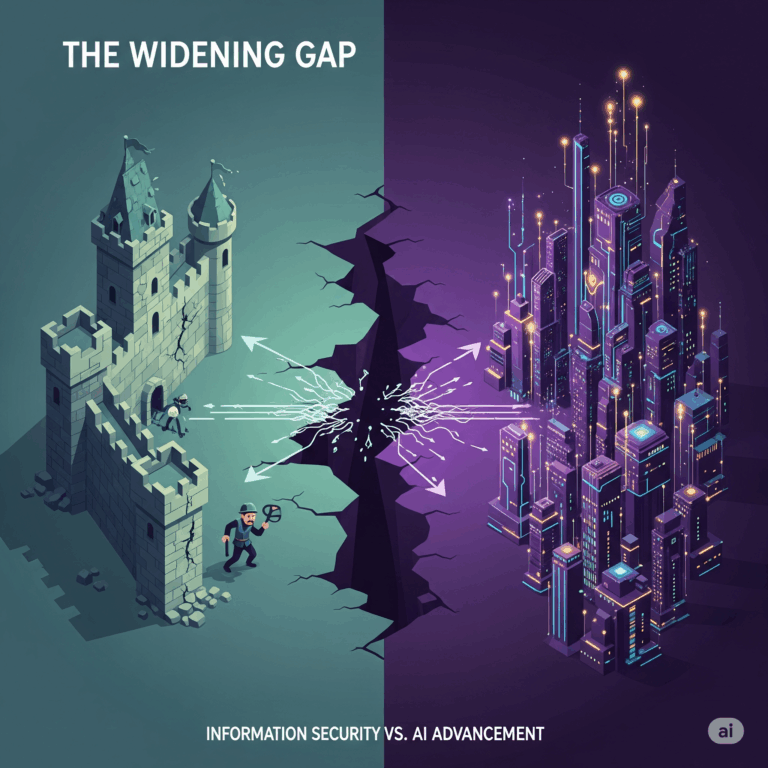

While foundational knowledge Mastering Foundational Security Principles for InfoSec Professionals and technical skills Deep Dive into Core Technical Security Domains are essential, they operate most effectively within a strategic context. This context is defined by Risk Management and Compliance. These crucial disciplines bridge the gap between technical cybersecurity activities and broader organizational objectives, ensuring that security efforts are prioritized, aligned with business goals, and meet regulatory obligations. Understanding this interplay is vital for any information security professional aiming for strategic impact.
Effective security isn’t just about implementing technology; it’s about making informed decisions regarding threats, vulnerabilities, and potential impacts. Consequently, Risk Management and Compliance provide the framework for these decisions.
## Understanding Cybersecurity Risk Management
Cybersecurity risk management is the ongoing process of identifying, assessing, and treating risks to organizational assets. The core objective is to reduce potential adverse effects to an acceptable level. This involves understanding several key components:
- Assets: Anything of value to the organization (data, systems, reputation).
- Threats: Potential events that could harm assets (malware, human error, natural disasters).
- Vulnerabilities: Weaknesses in systems or processes that threats could exploit.
- Likelihood: The probability that a threat will exploit a vulnerability.
- Impact: The negative consequences if a threat successfully exploits a vulnerability.
The risk management lifecycle typically involves identifying assets and risks, analyzing likelihood and impact, determining appropriate treatment (mitigate, transfer, avoid, accept), and continuously monitoring the environment**1**.
Key Risk Assessment Methodologies
Performing a structured risk assessment is fundamental to understanding an organization’s security posture. Methodologies provide a consistent approach to evaluating risk. Common approaches include:
- Qualitative Assessment: Uses descriptive scales (e.g., High, Medium, Low) for likelihood and impact. It’s often quicker but more subjective.
- Quantitative Assessment: Assigns numerical (often monetary) values to risk components, allowing for cost-benefit analysis of controls. This is more complex but offers greater precision.
Frameworks like NIST SP 800-30 provide detailed guidance on conducting risk assessments, helping organizations systematically analyze potential threats**1**.
Leveraging Security Frameworks
Security frameworks provide standardized guidelines and best practices for managing cybersecurity risk. They offer a structured approach to implementing controls and achieving security objectives. Adopting a framework helps organizations:
- Organize security efforts logically.
- Benchmark against industry best practices.
- Communicate security posture effectively.
- Streamline compliance activities.
Prominent examples include the NIST Cybersecurity Framework (CSF), ISO 27001/27002**2**, and the CIS Controls. These frameworks provide comprehensive sets of controls that can be mapped to identified risks, forming a core part of cybersecurity governance.
Navigating the Compliance Landscape
Compliance refers to adhering to specific laws, regulations, standards, and contractual obligations related to information security and data privacy. The compliance landscape can be complex and varies by industry and jurisdiction. For professionals, especially those in or serving government sectors, understanding relevant regulatory adherence strategies is critical. Key regulations often include:
- FISMA: Federal Information Security Modernization Act, mandating requirements for U.S. federal agencies**3**.
- GDPR: General Data Protection Regulation, protecting the data privacy of EU residents**4**.
- HIPAA: Health Insurance Portability and Accountability Act, governing protected health information in the U.S.
- PCI DSS: Payment Card Industry Data Security Standard, for organizations handling credit card data.
Staying current with these requirements is essential, as non-compliance can lead to significant fines, legal action, and reputational damage.
Integrating Risk, Compliance, and Security
Effective cybersecurity relies on the seamless integration of risk management, compliance, and technical security controls. These elements are not isolated silos; they constantly influence each other.
- Risk assessments identify weaknesses that require technical controls (drawn from frameworks).
- Compliance requirements often dictate specific controls that must be implemented and audited.
- Security frameworks provide a structure for selecting controls that address both risks and compliance needs.
- The organization’s risk tolerance, informed by Risk Management and Compliance activities, guides the level of security investment.
Mastering the principles of Risk Management and Compliance allows information security professionals to move beyond purely technical roles, enabling them to contribute strategically to the organization’s overall security and resilience.
What’s Next in This Series?
With an understanding of the strategic importance of risk and compliance, our next article will focus on the operational aspects: [Link to Child Article 4: Essentials of Security Operations and Incident Response]. We will explore how organizations detect, respond to, and recover from cyber threats in real-time. You can also refer back to the series overview What Cybersecurity Knowledge Should Information Security Professionals Know? or revisit Mastering Foundational Security Principles for InfoSec Professionals and [Link to Child Article 2: Deep Dive into Core Technical Security Domains]. The final article covers [Link to Child Article 5: Implementing Effective Identity, Access, and Data Protection Strategies].
References Cited:
- 1 National Institute of Standards and Technology (NIST). (2018). Risk Management Framework for Information Systems and Organizations: A System Life Cycle Approach for Security and Privacy (NIST SP 800-30 Rev. 1). Retrieved April 13, 2025, from https://csrc.nist.gov/publications/detail/sp/800-30/rev-1/final
- 2 International Organization for Standardization (ISO). (n.d.). ISO/IEC 27001 Information security, cybersecurity and privacy protection — Information security management systems — Requirements. Retrieved April 13, 2025, from https://www.iso.org/standard/27001
- 3 National Institute of Standards and Technology (NIST). (n.d.). FISMA Implementation Project Background. Retrieved April 13, 2025, from https://www.csrc.nist.gov/projects/risk-management/fisma-background
- 4 Intersoft Consulting. (n.d.). GDPR Information Portal. Retrieved April 13, 2025, from https://gdpr-info.eu/
About The Author