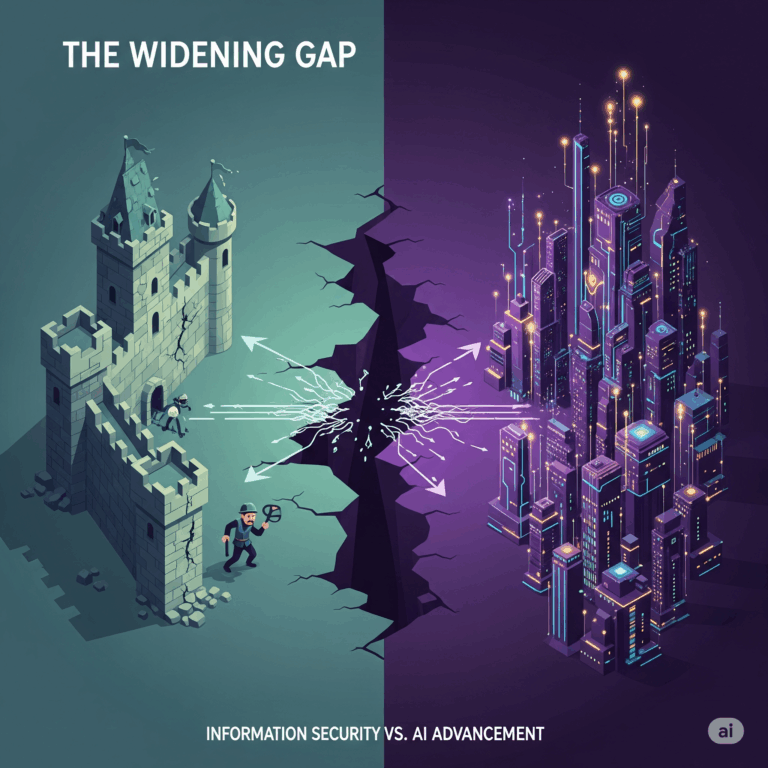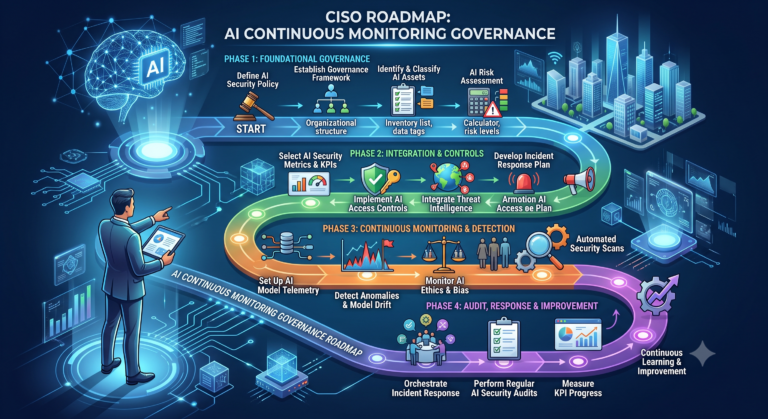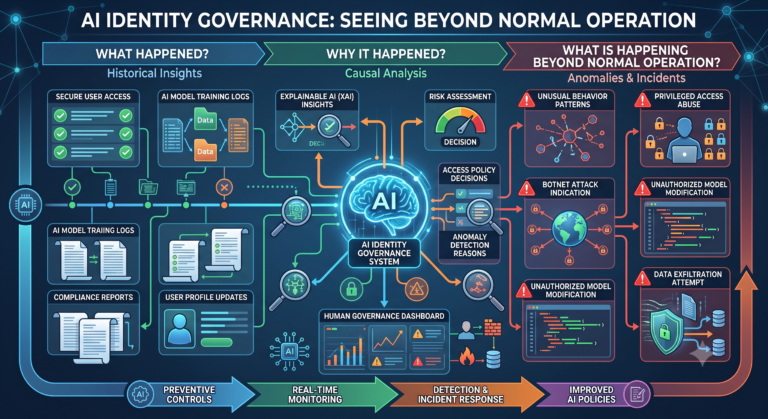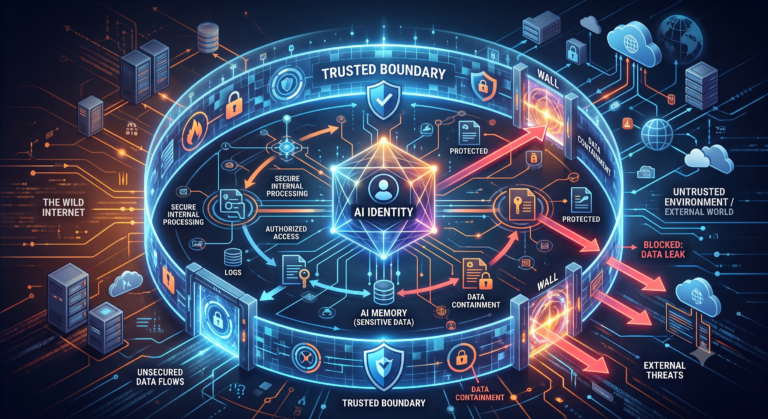

The rapid expansion of cloud computing, automation, and artificial intelligence has brought a significant shift in cybersecurity—machines now outnumber human users in most enterprise environments. As organizations embrace digital transformation, managing and securing Non-Human Interactive (NHI) identities has become a critical challenge. Unlike traditional user identities, NHI identities are associated with applications, services, APIs, and automated workflows, making them a prime target for cyber threats.
The Rise of NHI Identities in Cybersecurity
Enterprises increasingly rely on machine-to-machine (M2M) communication for operational efficiency. From cloud workloads and IoT devices to robotic process automation (RPA) and artificial intelligence, non-human identities play a crucial role in modern IT environments. These entities require authentication, authorization, and secure communication, just like human users—but managing them effectively presents unique challenges.
Key Characteristics of NHI Identities
• No Direct Human Interaction: NHI identities operate autonomously, often executing critical functions without human intervention.
• Short-Lived Credentials: Many NHI credentials (e.g., API tokens, ephemeral keys) are designed to be temporary, reducing the risk of long-term exposure.
• Massive Scale: Unlike human users, the number of machine identities can scale exponentially, especially in cloud and microservices architectures.
• Automation-Driven Authentication: NHI entities frequently authenticate using certificates, OAuth tokens, or cryptographic keys rather than passwords.
Security Risks in NHI Identity and Access Management
Credential Misuse and Theft
Just like human credentials, machine identities are attractive targets for cybercriminals. Attackers exploit misconfigured APIs, exposed private keys, and weak authentication mechanisms to gain unauthorized access. For example, in 2021, security researchers discovered misconfigured Kubernetes instances exposing API tokens, allowing attackers to move laterally within cloud environments[1].
Overprivileged Machine Identities
A common issue in NHI identity management is excessive permissions. Organizations often grant broad, unrestricted access to machine identities for operational convenience, violating the principle of least privilege. This increases the risk of privilege escalation if an attacker compromises an NHI account.
Shadow IT and Unmanaged Identities
Many organizations lack visibility into all machine identities operating in their environment. Developers often create API keys or service accounts without informing security teams, leading to unmonitored access points that attackers can exploit.
Weak or Static Authentication Methods
Hardcoded credentials, weak encryption, and improper key rotation practices create major vulnerabilities in machine authentication. In a 2022 report, researchers found that over 50% of cloud API keys analyzed were embedded in source code repositories, exposing them to unauthorized access[2].
Best Practices for Securing NHI Identities
1. Implement Strong Authentication and Authorization
• Use Public Key Infrastructure (PKI) and certificate-based authentication for secure identity validation.
• Enforce multi-factor authentication (MFA) for privileged machine identities.
• Adopt OAuth 2.0 and OpenID Connect (OIDC) for API and service authentication.
2. Enforce the Principle of Least Privilege
• Limit machine identities to the minimum required permissions needed to perform their tasks.
• Use role-based access control (RBAC) and attribute-based access control (ABAC) to define access rules dynamically.
• Regularly audit privileges granted to service accounts, API keys, and other NHI identities.
3. Implement Secure Secrets Management
• Replace static credentials with dynamic, short-lived secrets using vault solutions like HashiCorp Vault, AWS Secrets Manager, or Azure Key Vault.
• Avoid hardcoding secrets in application code; instead, store them in environment variables or secure vaults.
• Automate key rotation policies to prevent long-term credential exposure.
4. Automate Identity Lifecycle Management
• Use identity governance tools to monitor and manage NHI identity creation, usage, and decommissioning.
• Implement automated expiration policies for temporary access credentials.
• Continuously audit inactive and orphaned machine identities to reduce attack surfaces.
5. Monitor and Detect Anomalous NHI Activity
• Deploy behavioral analytics and machine learning to detect unusual access patterns.
• Establish real-time logging and monitoring with SIEM (Security Information and Event Management) solutions like Splunk, Microsoft Sentinel, or IBM QRadar.
• Set up alerts for unauthorized access attempts, unusual privilege escalations, and excessive API calls.
Emerging Trends in NHI Identity Security
Zero Trust Architecture (ZTA) for Machine Identities
Zero Trust principles extend beyond human users to machine identities. Organizations are implementing continuous verification models where NHI identities must be authenticated for every request, not just at session initiation.
Decentralized Identity and Blockchain for Machine Authentication
Decentralized identity frameworks using blockchain-based verification are emerging as a way to enhance machine authentication security. These solutions offer tamper-resistant, self-sovereign identity management for non-human entities.
AI-Driven Access Governance
Artificial intelligence is increasingly being used to automate identity governance and access control. AI can analyze access patterns, detect anomalies, and recommend dynamic policy adjustments to reduce risk.
Final Thoughts
The management of Non-Human Interactive (NHI) identities is now a top priority for cybersecurity teams. As machine identities continue to grow exponentially, organizations must shift from traditional user-centric IAM models to comprehensive machine identity security strategies. By adopting strong authentication methods, enforcing least privilege access, and leveraging automated identity lifecycle management, organizations can reduce risks and protect their digital ecosystems from cyber threats.
References Cited:
1. “Kubernetes Security Flaws Expose API Tokens to Attackers.” SecurityWeek, 2021.
2. “Cloud API Key Misconfigurations: A Growing Threat.” Cybersecurity Research Journal, 2022.
About The Author