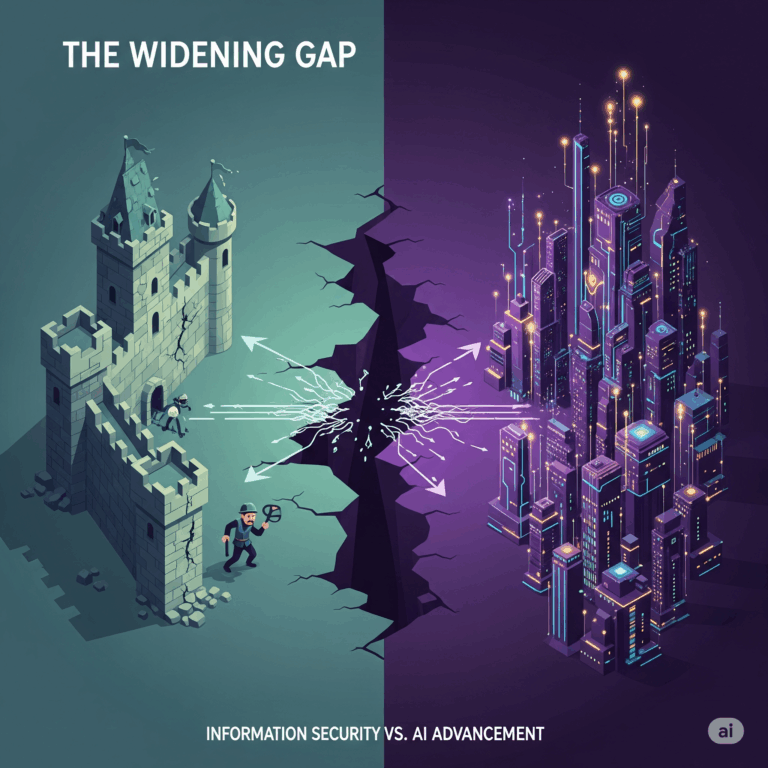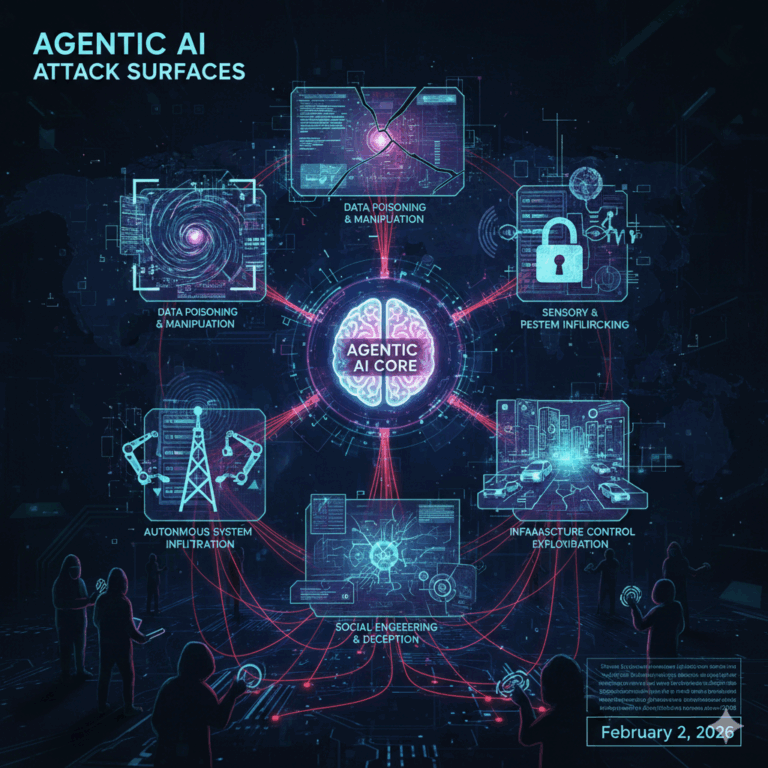
Cybersecurity professionals are facing a relentless challenge. As threat actors evolve, they’re leveraging cutting-edge tools and geopolitical tensions to target vulnerable sectors. The question is no longer if the next major disruption will happen—but which industries will be hit hardest, and how ready they’ll be. From telecom breaches like Salt Typhoon to Chinese malware planted in Guam’s power grid, one thing is clear: no sector is safe. For those defending digital frontiers, understanding where the next threats are coming from isn’t just strategic—it’s essential for survival.

Let’s break down the industries most at risk in 2025 and what’s driving the threat landscape.
Critical Infrastructure: Always in the Crosshairs
Energy, water, and transportation systems remain prime targets for nation-state attackers. The consequences of a single breach can be devastating—crippling economies and risking lives. In early 2025, Chinese hackers were found to have embedded malware in Guam’s power infrastructure, signaling a clear intent to disrupt U.S. assets in the Pacific. Similarly, an attack on a U.S. natural gas facility in August 2024 highlighted how operational technology (OT) vulnerabilities can turn essential systems into points of failure.
Why this focus? Rising tensions with countries like China and Russia have turned infrastructure into high-value targets. Fortinet’s 2025 Cyberthreat Predictions warn of more aggressive, AI-powered attacks on smart grids and transportation systems. As IT and OT systems continue to converge, the attack surface expands, and legacy defenses often fall short. Security teams must prioritize OT hardening and real-time detection—waiting for another Colonial Pipeline-level event is not an option.
Healthcare: Where Data Breaches Turn Deadly
Healthcare is a goldmine for cybercriminals. It holds highly sensitive data, and disruptions can directly endanger lives. The 2024 Change Healthcare ransomware attack delayed 40% of U.S. insurance claims. In the UK, the Synnovis NHS breach paralyzed hospitals and delayed critical care. These aren’t anomalies—they’re warning signs.
Check Point’s 2025 forecast predicts a rise in AI-powered ransomware targeting hospital systems. Connected medical devices like pacemakers and insulin pumps open new vulnerabilities, while insecure supply chains offer easy entry points. The World Economic Forum reported that 14.2% of critical infrastructure attacks in 2024 hit the healthcare sector—and that number is growing. Security professionals must strengthen endpoint protection, audit vendors, and be ready to act fast when lives are on the line.
Telecommunications: The Backbone Under Attack
Telecoms form the core of modern communication, making them prime targets for espionage and disruption. The late 2024 Salt Typhoon breach exposed lawmakers’ calls and surveillance data—a massive intelligence win for adversaries. Earlier breaches involving SingTel and T-Mobile underscore the sector’s strategic importance.
With the rollout of 5G and growing convergence between IT and OT systems, vulnerabilities are multiplying. SentinelOne’s 2025 report warns that AI-driven automation could make telecom attacks faster and more damaging. Defenders must secure sprawling, complex networks while anticipating persistent threats from state actors. In this environment, zero-trust architectures and real-time anomaly detection aren’t optional—they’re required.
Financial Services: Profits and Pandemonium
Financial institutions have always been lucrative targets. But the threat landscape is changing. Since 2020, the IMF reports over $2.5 billion in losses, with state-backed groups like Iran’s Pioneer Kitten shifting to ransomware in 2024. Even traditional espionage actors are chasing profit now.
The rise of decentralized finance (DeFi) and cryptocurrency has introduced new risks. North Korea’s Lazarus Group famously stole $625 million from Axie Infinity in 2022. Looking ahead, AI-driven fraud using deepfakes and transaction spoofing is a growing threat, according to Cyber Magazine’s 2025 outlook.
Legacy systems, insider threats, and outdated fraud detection only compound the risk. To stay ahead, security teams must harden MFA, monitor dark web activity, and regularly stress-test fraud defenses.
Manufacturing: The Cyber-Physical Target
Manufacturing is entering the cyber crosshairs. With the rise of smart factories and industrial IoT (Industry 4.0), the sector is now a high-stakes battlefield. Supply chain attacks spiked 431% between 2021 and 2023, and 2024 saw OT vulnerabilities exploited in energy-sector attacks.
SentinelOne warns that the blending of IT and OT systems will create major risks in 2025. Nation-states may target manufacturing to weaken economic competitors. Just-in-time logistics and tightly integrated systems make manufacturers particularly vulnerable to operational disruption. Security teams must bridge the IT-OT divide with network segmentation, visibility tools, and proactive threat hunting.
Government: Targeted by Legacy Weaknesses
Government systems are frequent targets, largely due to aging technology and the vast amount of sensitive data they handle. In December 2024, Chinese hackers breached the U.S. Treasury by exploiting a third-party encryption key. Russia’s APT groups continue targeting U.S. agencies, even as geopolitical dialogue shifts.
Palo Alto Networks predicts deepfakes and AI-driven impersonation campaigns will threaten elections and public trust in 2025. The UK’s NCSC recorded 430 cyber incidents in 2024—a pace that’s expected to grow. Governments must modernize quickly, replacing legacy systems and building defenses against both espionage and disinformation.
Space: The Emerging Wild West of Cybersecurity
Space-based infrastructure is a new, rapidly evolving frontier. During the 2022 invasion of Ukraine, Russia’s ViaSat hack disabled satellite communications—offering a preview of what’s possible. As reliance on satellites grows, so does the risk.
Fortinet’s 2025 report identifies space as a key emerging threat, especially as nation-states consider blinding satellites to gain strategic advantage. Current cybersecurity measures for satellites and ground stations are fragmented and inconsistent. A major attack could disrupt GPS, weather monitoring, or military coordination. Cybersecurity professionals must develop space-specific standards and partner with aerospace firms to secure this next-gen infrastructure.
What’s Driving These Threats?
Several forces are accelerating this disruption:
- AI and automation are making attacks faster, smarter, and more scalable.
- Geopolitical tensions—especially among the U.S., China, and Russia—fuel state-sponsored cyber aggression.
- Ransomware-as-a-Service (RaaS) has lowered the barrier to entry, empowering amateur attackers.
- Quantum computing threatens to upend current encryption standards, especially for sectors slow to adapt.
The Call to Action
These aren’t just trends—they’re warnings. For cybersecurity teams, now is the time to:
- Harden OT environments in infrastructure and manufacturing.
- Prepare incident response plans for healthcare and government agencies.
- Implement zero-trust architectures in telecom and finance.
- Secure space assets before they become battlegrounds.
The next cyberattack is coming. The only question is whether your sector will be a headline… or a success story in resilience.
About The Author