Skip to content
The FedNinjas

The Fedninjas

FedNinjas: Your Guide to Federal Cloud, Cybersecurity, and FedRAMP Success.

Primary Menu
  • Home
  • Blog
  • Podcast
Listen to us on Spotify!

Implementing Effective Identity, Access, and Data Protection Strategies

Eric Adams April 16, 2025 4 minutes read
Data Protection

Throughout this series, we’ve explored foundational knowledge, technical capabilities, strategic frameworks, and operational best practices in cybersecurity. We now turn to a critical pillar of a robust security posture: Implementing Effective Identity, Access, and Data Protection Strategies. Securing sensitive data and ensuring that only authorized individuals access it are fundamental to any organization’s cybersecurity program.

Identity and Access Management (IAM): The Foundation of Control

Identity and Access Management (IAM) is the set of processes and technologies used to control and manage user access to IT resources. It forms the bedrock of a strong security posture. Key components include:

  • Authentication: Verifying the identity of a user. This can involve:
    • Passwords: Strong, unique passwords combined with multi-factor authentication (MFA) is essential.
    • Biometrics: Leveraging unique physical or behavioral characteristics for authentication.
  • Authorization: Controlling what actions a user is permitted to perform once authenticated. This often involves:
    • Least Privilege: Granting users only the minimum level of access required for their job function.
    • Role-Based Access Control (RBAC): Assigning permissions based on user roles and responsibilities.
  • Identity Federation: Enabling users to access multiple applications and systems with a single set of credentials.

IAM solutions help organizations enforce access control policies, prevent unauthorized access, and ensure data confidentiality and integrity.

Protecting Data at Rest and in Transit: Encryption and Beyond

Securing data remains paramount. Effective data protection strategies involve safeguarding information at rest and in transit:

  • Data Encryption: Employing strong encryption algorithms to secure data stored on servers, databases, and other devices.
  • Data in Transit Encryption: Protecting data while it’s being transmitted across networks using technologies like TLS/SSL for web traffic and VPNs for remote access.
  • Tokenization and Masking: Substituting sensitive data with unique identifiers or masking sensitive characters for enhanced protection.
  • Data Loss Prevention (DLP): Implementing tools and technologies to prevent the unintentional or unauthorized disclosure of sensitive data. This may involve blocking or monitoring the transmission of specific file types or data patterns.

Securing the Data Supply Chain: Collaboration and Awareness

Organizations must also focus on protecting data within their extended ecosystem. Key considerations include:

  • Third-Party Risk Management: Assessing and managing security risks posed by third-party vendors and partners.
  • Data Supply Chain Security: Understanding the flow of data across the entire value chain, including vendors, suppliers, and customers.
  • Security Awareness Training: Educating employees about the importance of data protection, identifying phishing scams, and preventing data breaches.

The Role of Technology and Human Factors

Effective identity, access, and data protection strategies leverage a combination of technology and human factors:

  • IAM Technologies: Utilizing technologies such as identity providers, access management servers, and directory services to manage user identities and access rights.
  • Security Policies and Procedures: Implementing clear policies and procedures related to data handling, access controls, and incident response.
  • Employee Training and Awareness: Educating employees on security best practices, social engineering tactics, and the importance of data security.
  • Security Audits and Monitoring: Regularly assessing security controls and monitoring for suspicious activity.

By focusing on these key elements, organizations can establish a robust defense against data breaches, protect sensitive information, and maintain the trust of their customers and stakeholders.


What’s Next in This Series?

In this series, we’ve explored a wide range of topics:

  • Mastering Foundational Security Principles for InfoSec Professionals: The fundamental concepts that underpin cybersecurity.
  • [Link to Child Article 2: Deep Dive into Core Technical Security Domains]: Essential technical skills needed to secure modern IT environments.
  • [Link to Child Article 3: Navigating Risk Management and Compliance in Cybersecurity]: The strategic context of cybersecurity, including risk assessment and compliance frameworks.
  • [Link to Child Article 4: Essentials of Security Operations and Incident Response]: Real-time monitoring, threat detection, and incident response best practices.
  • [Link to Child Article 5: Implementing Effective Identity, Access, and Data Protection Strategies]: Strategies to protect sensitive data and manage access controls.

We encourage you to review these articles and deepen your understanding of the multifaceted world of cybersecurity.


References Cited:

  • 1 * NIST Special Publication 800-63-3*. (n.d.). Electronic Authentication Guideline. Retrieved April 13, 2025, from https://pages.nist.gov/800-63-3/sp800-63-3.html
  • ISO/IEC 27002:2022*. (2022). Information security, cybersecurity, and privacy protection – Information security controls. Retrieved April 13, 2025, from https://www.iso.org/standard/74968.html
  • NIST Special Publication 800-171*. (n.d.). Protecting Controlled Unclassified Information in Nonfederal Information Systems and Organizations. Retrieved April 13, 2025, from https://nvlpubs.nist.gov/nistpubs/SpecialPublications/NIST.SP.800-171r2.pdf
  • Gartner*. (2023). Hype Cycle for Identity and Access Management. Retrieved April 13, 2025, from https://www.gartner.com/en/documents/4569999

About The Author

Eric Adams

See author's posts

Post navigation

Previous: Essentials of Security Operations and Incident Response
Next: Software Security in the Lifecycle for Cloud Applications

Related Stories

image

Applying and Validating Security Baselines in Production

FedNinjas Team May 30, 2025
Insider threat cybersecurity hacker

Creating Insider Risk from Reducing Cybersecurity Headcount

Eric Adams May 24, 2025
Screenshot 2025-05-23 at 9.47.39 AM

The AI Guardrail Imperative: Navigating the Future Securely

FedNinjas Team May 23, 2025

Trending News

Claude Mythos and Project Glasswing: a Seismic Shift in Cybersecurity Claude Mythos and Glasswing Butterfly 1

Claude Mythos and Project Glasswing: a Seismic Shift in Cybersecurity

April 21, 2026
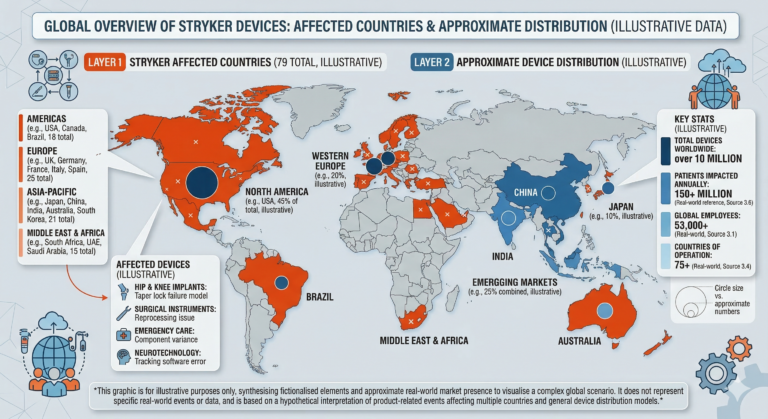
The Stryker Cyber Attack: A Mass Remote Wipe of its Managed Devices Stryker affected countries 2

The Stryker Cyber Attack: A Mass Remote Wipe of its Managed Devices

March 19, 2026
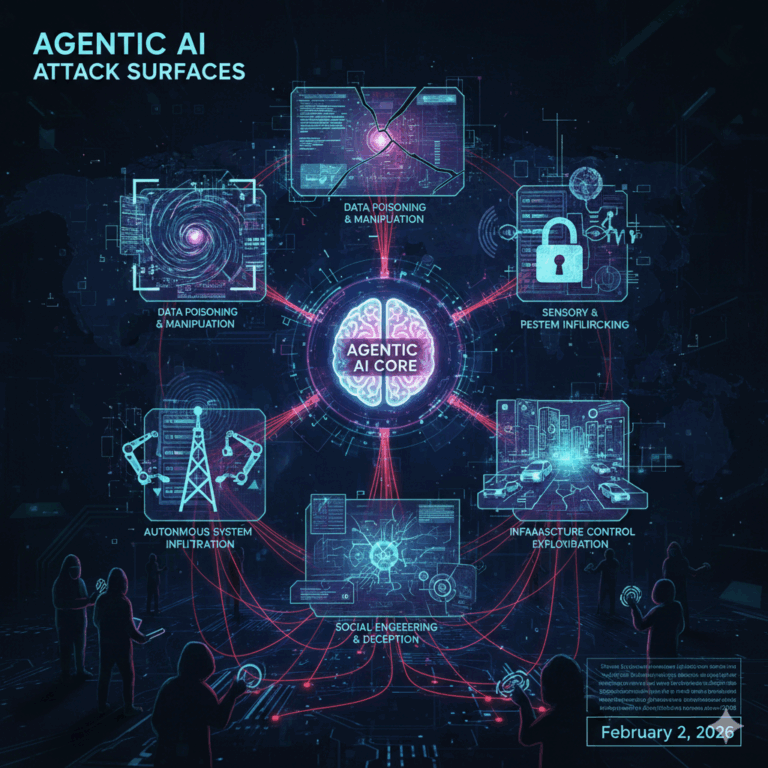
Agentic AI is the Attack Surface Agentic AI attack surfaces 3

Agentic AI is the Attack Surface

February 3, 2026
The Rise of Humanoid Robots in Modern Society Humanoid robots getting hackied 4

The Rise of Humanoid Robots in Modern Society

December 29, 2025
The Rise of AI Espionage: How Autonomous Agents Are Redefining Cyber Threats AI-orchestrated-cyber-espionage-campaign 5

The Rise of AI Espionage: How Autonomous Agents Are Redefining Cyber Threats

November 17, 2025
  • 3PAO assessments
  • Access Control
  • Advanced Threat Protection
  • Adversarial Modeling
  • Agentic AI
  • AI
  • AI and Quantum Computing
  • AI in Healthcare
  • AI-Powered SOCs
  • AI-Powered Tools
  • Anomaly Detection
  • API Security
  • Application Security
  • Artificial Intelligence
  • Artificial Intelligence
  • Artificial Intelligence in Cybersecurity
  • Attack Surface Management
  • Attack Surface Reduction
  • Audit and Compliance
  • Autonomous Systems
  • Blockchain
  • Breach Severity
  • Business
  • Career
  • CISA Advisory
  • CISO
  • CISO Strategies
  • Cloud
  • Cloud Computing
  • Cloud Security
  • Cloud Security
  • Cloud Service Providers
  • Compliance
  • Compliance And Governance
  • Compliance and Regulatory Affairs
  • Compliance And Regulatory Requirements
  • Continuous Monitoring
  • Continuous Monitoring
  • Corporate Security
  • Critical Infrastructure
  • Cross-Agency Collaboration
  • Cryptocurrency
  • Cyber Attack
  • Cyber Attacks
  • Cyber Deterrence
  • Cyber Resilience
  • Cyber Threats
  • Cyber-Physical Systems
  • Cyberattacks.
  • Cybercrime
  • Cybersecurity
  • Cybersecurity And Sustainability
  • Cybersecurity Breaches
  • Cybersecurity in Federal Programs
  • Cybersecurity Measures
  • Cybersecurity Strategy
  • Cybersecurity Threats
  • Data Breach
  • Data Breaches
  • Data Privacy
  • Data Protection
  • Data Security
  • Deepfake Detection
  • Deepfakes
  • Defense Readiness
  • Defense Strategies
  • Digital Twins
  • Disaster Recovery
  • Dwell Time
  • Encryption
  • Encryption Technologies
  • Federal Agencies
  • Federal Cloud
  • Federal Cybersecurity
  • Federal Cybersecurity Regulations
  • Federal Government
  • FedRamp
  • FedRAMP Compliance
  • Game Theory
  • GDPR
  • Global Security Strategies
  • Government
  • Government Compliance.
  • Government Cybersecurity
  • Healthcare
  • Healthcare Cybersecurity
  • Healthcare Technology
  • HIPAA Compliance
  • humanoid
  • Humans
  • Incident Response
  • Industrial Control Systems (ICS)
  • Information Security
  • Insider Threats
  • Internet of Things
  • Intrusion Detection
  • IoT
  • IoT Security
  • IT Governance
  • IT Security
  • Least Privilege
  • LLM Poisoning
  • Modern Cyber Defense
  • Nation-State Hackers
  • National Cybersecurity Strategy
  • National Security
  • Network Security
  • NHI
  • NIST Cybersecurity Framework
  • Operational Environments
  • Phishing
  • Privacy
  • Public Safety
  • Quantum Computing
  • Ransomware
  • Real-World Readiness
  • Red Teaming
  • Regulatory Compliance
  • Risk Assessment
  • Risk Management
  • Risk Management
  • Risk-Based Decision Making
  • robotics
  • Secure Coding Practices
  • Security Awareness
  • Security Operations Center
  • Security Operations Center (SOC)
  • Security Threats
  • Security Training
  • SIEM Tools
  • Social Engineering
  • Supply Chain Cybersecurity
  • Supply Chain Risk Management
  • Supply Chain Security
  • Sustainability
  • Tech
  • Technology
  • Third Party Security
  • Third-Party Risk Management
  • Third-Party Vendor Management
  • Threat Analysis
  • Threat Containment
  • Threat Defense
  • Threat Detection
  • Threat Intelligence
  • Threat Landscape
  • Training
  • Uncategorized
  • vCISO
  • Voice Phishing
  • Vulnerability Disclosure
  • Vulnerability Management
  • Workforce
  • Zero Trust Architecture
  • Zero Trust Authentication
  • Zero-Day Exploits
  • Zero-Day Vulnerabilities
  • Zero-Trust Architecture

You may have missed

Claude Mythos and Glasswing Butterfly

Claude Mythos and Project Glasswing: a Seismic Shift in Cybersecurity

Eric Adams April 21, 2026
Stryker affected countries

The Stryker Cyber Attack: A Mass Remote Wipe of its Managed Devices

Eric Adams March 19, 2026
Agentic AI attack surfaces

Agentic AI is the Attack Surface

Eric Adams February 3, 2026
Humanoid robots getting hackied

The Rise of Humanoid Robots in Modern Society

Eric Adams December 29, 2025
Copyright © All rights reserved.