Cybersecurity threats demand rapid detection and response to protect company and customer information. Reducing cybersecurity headcount strains teams, slowing incident response and increasing damage. This child article, part of our series on the risks of cutting security staff, explores how understaffing weakens threat detection and response, offering strategies for cybersecurity professionals and government compliance teams to mitigate these risks.
The Critical Role of Threat Detection
Effective threat detection hinges on skilled professionals monitoring systems in real time. Understaffed teams struggle to analyze alerts, prioritize threats, and respond swiftly. A 2024 Dark Reading report notes that 61% of security leaders prioritize mean-time-to-remediate (MTTR), yet 16% deprioritize it due to staffing shortages. This article examines how reducing cybersecurity headcount undermines detection and response capabilities, leaving organizations vulnerable.
Overwhelmed Teams, Delayed Responses
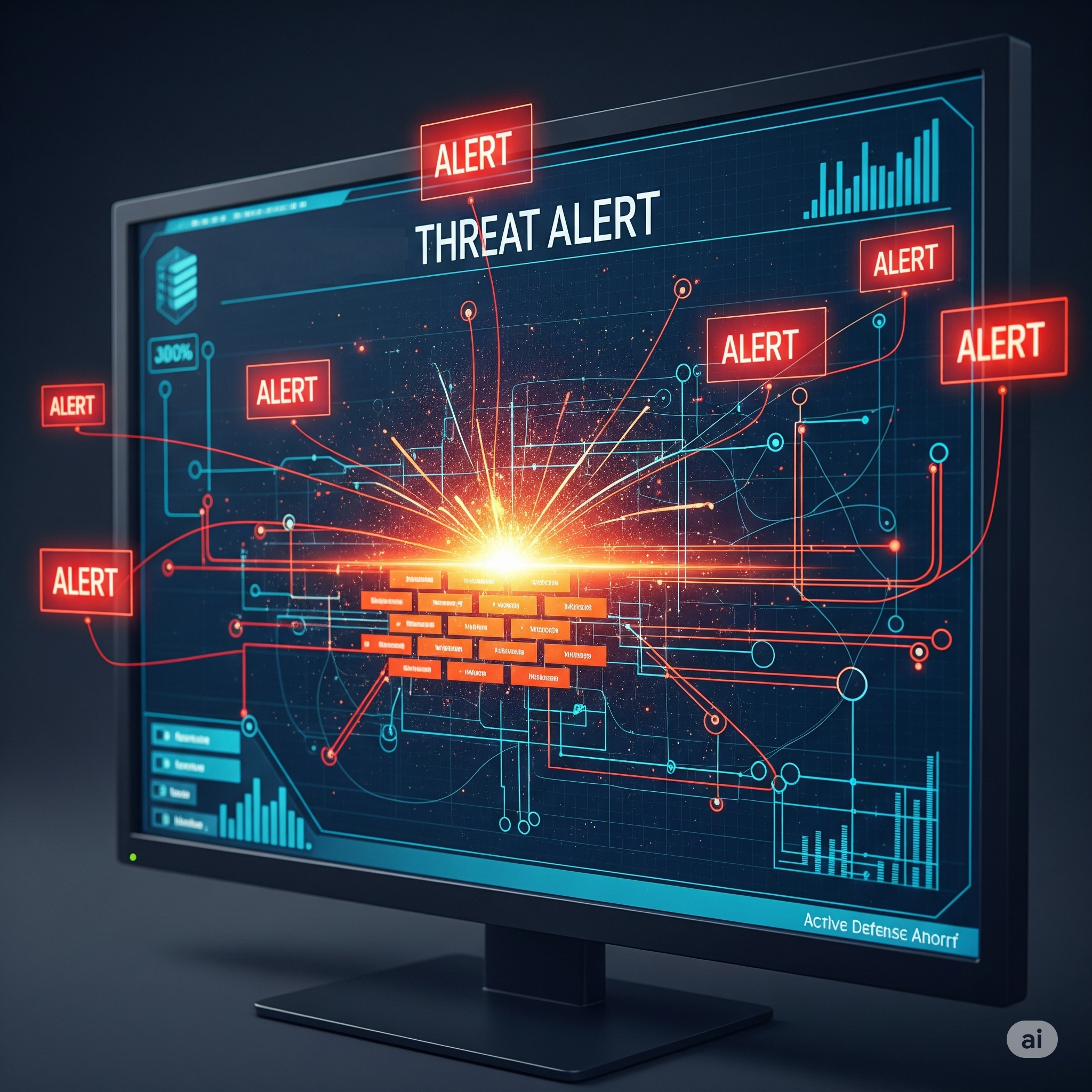
Fewer cybersecurity staff mean more alerts go uninvestigated. Security Information and Event Management (SIEM) systems generate thousands of daily alerts, but human expertise is needed to filter false positives. A 2025 Verizon report notes rising system intrusions, often exploiting understaffed defenses. For example, the 2021 SolarWinds attack went undetected for months, partly due to insufficient monitoring3**. Overworked teams cannot keep pace, delaying MTTR and amplifying breach impacts.
The Human Element in Threat Response
Automation, like AI-driven detection, flags anomalies, but humans contextualize threats. A 2024 Google study found AI caught 90% of phishing emails, yet analysts identified nuanced attacks AI missed. Reducing cybersecurity headcount cuts this expertise, weakening response to complex threats like zero-day exploits. Government agencies, bound by NIST 800-53, require trained staff for incident handling. Understaffing risks non-compliance and prolonged recovery.
Real-World Consequences of Understaffing
Understaffed teams miss critical signals. The 2023 MOVEit breach, affecting 2,600 organizations, exploited a flaw that vigilant monitoring could have caught earlier. A 2024 IBM report pegs average breach costs at $4.88 million, with delayed detection doubling damages. Reducing cybersecurity headcount directly correlates with slower response, as teams juggle competing priorities. Case studies, like the 2020 Twitter hack, show staffing gaps enabled social engineering attacks.
Tools to Stretch Limited Resources
Lean teams can leverage tools to bolster detection. Open-source SIEMs, like ELK Stack, offer cost-effective monitoring**9. CISA’s Cyber Hygiene Services provide free vulnerability scanning for government entities. However, tools require skilled operators. A 2024 Cybersecurity Dive report notes a 3.5 million-person workforce gap, limiting tool efficacy. Training IT staff in basic monitoring, as SANS suggests, can bridge gaps.
Strategies for Optimizing Detection
To counter the effects of reducing cybersecurity headcount, prioritize high-impact tasks:
- Triage Alerts: Use frameworks like MITRE ATT&CK to focus on critical threats.
- Automate Routine Tasks: Deploy SOAR platforms to handle repetitive responses.
- Outsource Monitoring: Managed Detection and Response (MDR) services offload 24/7 coverage.
- Upskill Staff: Cross-train employees via CISA’s free courses. These steps, while not replacing headcount, maximize existing resources.
The Cost of Delayed Detection
Delayed detection compounds losses. A 2025 Dark Reading article warns that understaffing increases attack surfaces, with 22% of organizations citing unmonitored systems as a top risk. Government teams face added pressure, as CISA mandates rapid incident reporting. The 2022 Uber breach, exacerbated by sparse monitoring, cost $150 million in recovery. Investing in staff prevents such losses, as prevention is cheaper than remediation.
Building Resilience with Lean Teams
Reducing cybersecurity headcount weakens threat detection and response, but strategic measures help. Prioritize tools and training, and advocate for staffing budgets. This series explores related risks—data breaches, compliance, insider threats, and customer trust. Together, these articles guide organizations toward resilience despite constraints.
What’s Next in This Series?
Continue exploring the risks of reducing cybersecurity headcount with our next article, Increased Vulnerability to Data Breaches, which examines how staffing shortages exacerbate breach risks. Follow the series for actionable strategies to protect your organization.
- The Risks of Reducing Cybersecurity Headcount
- Increased Vulnerability to Data Breaches
- Compromised Compliance and Governance
- Rise in Insider Threats
- Erosion of Customer Trust
References Cited:
- 1 Dark Reading, “Managing Cloud Risks Gave Security Teams a Big Headache in 2024,” https://www.darkreading.com/cloud-security/managing-cloud-risks-gave-security-teams-big-headache-2024
- 2 Verizon, “2025 Data Breach Investigations Report,” https://www.verizon.com/business/resources/reports/dbir/
- 3 Reuters, “SolarWinds Hack Explained,” https://www.reuters.com/technology/solarwinds-hack-explained-2021-02-17/
- 4 Google, “Phishing Protection Report,” https://cloud.google.com/security/phishing-report-2024
- 5 NIST, “SP 800-53: Security and Privacy Controls,” https://nvlpubs.nist.gov/nistpubs/SpecialPublications/NIST.SP.800-53r5.pdf
- 6 Dark Reading, “MOVEit Breach Impacts 2,600 Organizations,” https://www.darkreading.com/vulnerabilities-threats/moveit-breach-impacts-2600-organizations
- 7 IBM, “Cost of a Data Breach 2024,” https://www.ibm.com/reports/data-breach
- 8 BBC, “Twitter Hack: 130 Accounts Targeted,” https://www.bbc.com/news/technology-53425822
- 9 Elastic, “ELK Stack for SIEM,” https://www.elastic.co/siem
- 10 CISA, “Cybersecurity Training and Workforce Development,” https://www.cisa.gov/cybersecurity-training-workforce-development
- 11 Cybersecurity Dive, “Cybersecurity Workforce Gap Widens,” https://www.cybersecuritydive.com/news/cybersecurity-workforce-gap-widens/645892/
- 12 SANS, “Cross-Training for Cybersecurity,” https://www.sans.org/blog/cross-training-cybersecurity/
- 13 MITRE, “ATT&CK Framework,” https://attack.mitre.org/
- 14 Dark Reading, “SOAR Platforms for Incident Response,” https://www.darkreading.com/cybersecurity-operations/soar-platforms-incident-response
- 15 Gartner, “Managed Detection and Response Services,” https://www.gartner.com/en/information-technology/glossary/managed-detection-and-response-mdr
- 16 Dark Reading, “Cybersecurity Gaps Leave Doors Wide Open,” https://www.darkreading.com/vulnerabilities-threats/cybersecurity-gaps-leave-doors-wide-open
- 17 CISA, “Federal Incident Notification Guidelines,” https://www.cisa.gov/federal-incident-notification-guidelines
- 18 TechCrunch, “Uber Breach Cost Breakdown,” https://techcrunch.com/2022/09/15/uber-breach-costs/
- 19 Forbes, “The Cost of Cybersecurity Cuts,” https://www.forbes.com/sites/forbestechcouncil/2023/05/10/the-cost-of-cybersecurity-cuts/
About The Author