
Skip to content
The FedNinjas

The Fedninjas

FedNinjas: Your Guide to Federal Cloud, Cybersecurity, and FedRAMP Success.

Primary Menu
  • Home
  • Blog
  • Podcast
Listen to us on Spotify!

The IoT Revolution – A Double-Edged Sword: Part 2

Eric Adams March 11, 2025 4 minutes read
qtq80-TR5RkU

The Evolution of Cybersecurity: From Reactive to Proactive

In the vast digital battlefield, the old ways of defense are no longer sufficient. Attackers no longer rely on brute force alone; they wield automation, machine learning, and stealth tactics to infiltrate and disrupt. Yet, we still cling to outdated security models—static defenses, cumbersome firewalls, and sluggish patching cycles. This is a losing game.

The future of security must be intelligent, self-healing, and predictive. We must move beyond reactive strategies and embrace proactive cyber resilience. The battlefield is shifting, and only those who evolve will survive.

The Sleeping Giant Awakens: Why OT Security Can No Longer Be Ignored

For decades, Operational Technology (OT) systems hummed along in the background, silently running the infrastructure that powers our world—energy grids, water treatment plants, manufacturing lines. These systems were built for reliability, not security. And for a long time, they seemed untouchable, isolated from the fast-moving world of cyber threats.

But the game has changed. The convergence of IT and OT has shattered that isolation. Suddenly, industrial control systems (ICS) are exposed—vulnerable to the same sophisticated cyberattacks that plague corporate networks. The problem? Traditional cybersecurity measures weren’t designed for the industrial world. Firewalls and antivirus software can’t stop a well-coordinated cyberattack from crippling a power grid or disrupting a supply chain. It’s time for a radical shift in how we protect our most critical systems.

The Harsh Reality: Real-World OT Cyberattacks

We don’t have to theorize about OT security risks—they’re already happening. In 2015, a cyberattack on Ukraine’s power grid left hundreds of thousands without electricity. In 2021, the Colonial Pipeline ransomware attack disrupted fuel supplies across the U.S., causing widespread panic. And every day, industrial networks face relentless probes and intrusion attempts from adversaries seeking weaknesses.

Unlike traditional cyber breaches that steal data, OT attacks have physical consequences. They shut down factories, poison water supplies, and cut off electricity. The stakes are higher, and the risks are growing. The question isn’t if another major OT attack will happen—it’s when.

Why Traditional Cybersecurity Falls Short in OT Environments

Cybersecurity for IT and OT cannot be treated the same way. Here’s why:

  • Legacy Systems: Many OT environments run on decades-old infrastructure, never designed to withstand modern cyber threats.
  • Minimal Downtime Tolerance: Unlike IT networks, where patches and updates can be applied frequently, OT systems often require continuous operation. Shutting them down for security updates can cost millions.
  • Unique Protocols: OT networks use specialized communication protocols that traditional cybersecurity tools aren’t built to monitor or protect.
  • Physical Safety Risks: A successful OT attack can have life-threatening consequences—compromised power plants, malfunctioning transportation systems, or disrupted healthcare facilities.

The Path Forward: A New Security Mindset for OT

We must stop treating OT security as an afterthought. It demands a dedicated, purpose-built approach—one that prioritizes resilience, real-time threat detection, and adaptive defense strategies. Here’s what’s needed:

  • Network Segmentation: Isolating OT from IT networks to prevent lateral movement of cyber threats.
  • AI-Driven Threat Detection: Leveraging artificial intelligence to identify anomalies and potential attacks before they cause damage.
  • Zero Trust for OT: Every connection, user, and device must be continuously verified, eliminating implicit trust.
  • Secure Remote Access: Ensuring that vendors and remote operators can access OT systems without opening the door to cyber threats.

The wake-up call is here. The sleeping giant of OT security can no longer be ignored. The organizations that act now will protect their operations from the next wave of cyberattacks. Those that don’t? They risk becoming the next cautionary tale.


References

  • E-ISAC. (2016). “Analysis of the Cyber Attack on the Ukrainian Power Grid.”
  • CISA. (2021). “Colonial Pipeline Ransomware Attack Analysis.”

About The Author

Eric Adams

See author's posts

Post navigation

Previous: The Evolving Cyber Threats in Cryptocurrency: Hacks, Scams, and Security Strategies
Next: AI in Cryptocurrency Cybersecurity: The Double-Edged Sword

Related Stories

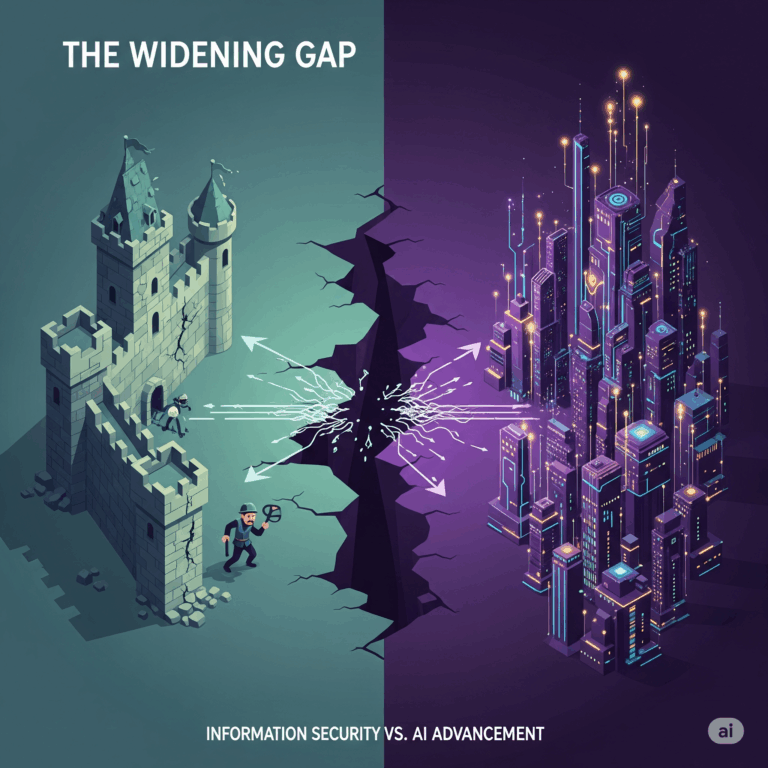
Widening gap between information security and AI

The Widening Gap Between Information Security and AI

Eric Adams August 22, 2025
Cybersecurity future

The Future of Cybersecurity: Trends Shaping Tomorrow

Eric Adams June 12, 2025
cybersec in construction

Cybersecurity in the Construction Industry: Securing the Jobsite and the Back Office

FedNinjas Team May 7, 2025

Trending News

Claude Mythos and Project Glasswing: a Seismic Shift in Cybersecurity Claude Mythos and Glasswing Butterfly 1

Claude Mythos and Project Glasswing: a Seismic Shift in Cybersecurity

April 21, 2026 0
The Stryker Cyber Attack: A Mass Remote Wipe of its Managed Devices Stryker affected countries 2

The Stryker Cyber Attack: A Mass Remote Wipe of its Managed Devices

March 19, 2026
Agentic AI is the Attack Surface Agentic AI attack surfaces 3

Agentic AI is the Attack Surface

February 3, 2026
The Rise of Humanoid Robots in Modern Society Humanoid robots getting hackied 4

The Rise of Humanoid Robots in Modern Society

December 29, 2025
The Rise of AI Espionage: How Autonomous Agents Are Redefining Cyber Threats AI-orchestrated-cyber-espionage-campaign 5

The Rise of AI Espionage: How Autonomous Agents Are Redefining Cyber Threats

November 17, 2025
  • 3PAO assessments
  • Access Control
  • Advanced Threat Protection
  • Adversarial Modeling
  • Agentic AI
  • AI
  • AI and Quantum Computing
  • AI in Healthcare
  • AI-Powered SOCs
  • AI-Powered Tools
  • Anomaly Detection
  • API Security
  • Application Security
  • Artificial Intelligence
  • Artificial Intelligence
  • Artificial Intelligence in Cybersecurity
  • Attack Surface Management
  • Attack Surface Reduction
  • Audit and Compliance
  • Autonomous Systems
  • Blockchain
  • Breach Severity
  • Business
  • Career
  • CISA Advisory
  • CISO
  • CISO Strategies
  • Cloud
  • Cloud Computing
  • Cloud Security
  • Cloud Security
  • Cloud Service Providers
  • Compliance
  • Compliance And Governance
  • Compliance and Regulatory Affairs
  • Compliance And Regulatory Requirements
  • Continuous Monitoring
  • Continuous Monitoring
  • Corporate Security
  • Critical Infrastructure
  • Cross-Agency Collaboration
  • Cryptocurrency
  • Cyber Attack
  • Cyber Attacks
  • Cyber Deterrence
  • Cyber Resilience
  • Cyber Threats
  • Cyber-Physical Systems
  • Cyberattacks.
  • Cybercrime
  • Cybersecurity
  • Cybersecurity And Sustainability
  • Cybersecurity Breaches
  • Cybersecurity in Federal Programs
  • Cybersecurity Measures
  • Cybersecurity Strategy
  • Cybersecurity Threats
  • Data Breach
  • Data Breaches
  • Data Privacy
  • Data Protection
  • Data Security
  • Deepfake Detection
  • Deepfakes
  • Defense Readiness
  • Defense Strategies
  • Digital Twins
  • Disaster Recovery
  • Dwell Time
  • Encryption
  • Encryption Technologies
  • Federal Agencies
  • Federal Cloud
  • Federal Cybersecurity
  • Federal Cybersecurity Regulations
  • Federal Government
  • FedRamp
  • FedRAMP Compliance
  • Game Theory
  • GDPR
  • Global Security Strategies
  • Government
  • Government Compliance.
  • Government Cybersecurity
  • Healthcare
  • Healthcare Cybersecurity
  • Healthcare Technology
  • HIPAA Compliance
  • humanoid
  • Humans
  • Incident Response
  • Industrial Control Systems (ICS)
  • Information Security
  • Insider Threats
  • Internet of Things
  • Intrusion Detection
  • IoT
  • IoT Security
  • IT Governance
  • IT Security
  • Least Privilege
  • LLM Poisoning
  • Modern Cyber Defense
  • Nation-State Hackers
  • National Cybersecurity Strategy
  • National Security
  • Network Security
  • NHI
  • NIST Cybersecurity Framework
  • Operational Environments
  • Phishing
  • Privacy
  • Public Safety
  • Quantum Computing
  • Ransomware
  • Real-World Readiness
  • Red Teaming
  • Regulatory Compliance
  • Risk Assessment
  • Risk Management
  • Risk Management
  • Risk-Based Decision Making
  • robotics
  • Secure Coding Practices
  • Security Awareness
  • Security Operations Center
  • Security Operations Center (SOC)
  • Security Threats
  • Security Training
  • SIEM Tools
  • Social Engineering
  • Supply Chain Cybersecurity
  • Supply Chain Risk Management
  • Supply Chain Security
  • Sustainability
  • Tech
  • Technology
  • Third Party Security
  • Third-Party Risk Management
  • Third-Party Vendor Management
  • Threat Analysis
  • Threat Containment
  • Threat Defense
  • Threat Detection
  • Threat Intelligence
  • Threat Landscape
  • Training
  • Uncategorized
  • vCISO
  • Voice Phishing
  • Vulnerability Disclosure
  • Vulnerability Management
  • Workforce
  • Zero Trust Architecture
  • Zero Trust Authentication
  • Zero-Day Exploits
  • Zero-Day Vulnerabilities
  • Zero-Trust Architecture

You may have missed

Claude Mythos and Glasswing Butterfly

Claude Mythos and Project Glasswing: a Seismic Shift in Cybersecurity

Eric Adams April 21, 2026 0
Stryker affected countries

The Stryker Cyber Attack: A Mass Remote Wipe of its Managed Devices

Eric Adams March 19, 2026
Agentic AI attack surfaces

Agentic AI is the Attack Surface

Eric Adams February 3, 2026
Humanoid robots getting hackied

The Rise of Humanoid Robots in Modern Society

Eric Adams December 29, 2025
Copyright © All rights reserved.