Skip to content
The FedNinjas

The Fedninjas

FedNinjas: Your Guide to Federal Cloud, Cybersecurity, and FedRAMP Success.

Primary Menu
  • Home
  • Blog
  • Podcast
Listen to us on Spotify!

The Hidden Risks of Shadow IT in Remote Teams

FedNinjas Team May 1, 2025 4 minutes read

The shift to remote work has brought undeniable benefits—greater flexibility, reduced overhead, and expanded access to talent. However, it has also created a surge in cybersecurity blind spots. One of the most pressing concerns is shadow IT, the use of unauthorized devices, applications, or services outside official IT oversight. Within remote teams, where centralized visibility is already diminished, shadow IT in remote teams can create dangerous vulnerabilities.

This article explores the rise of shadow IT, the associated security and compliance risks, and practical strategies to mitigate its impact in a distributed workforce.

The Rise of Shadow IT in Remote Teams

In remote-first environments, employees often rely on personal laptops, unmanaged cloud apps, and unapproved collaboration tools to get their work done. While this independence can boost agility, it also leads to a lack of centralized oversight.

Many remote team members unknowingly engage in shadow IT when they:

  • Install productivity software without IT approval.
  • Share sensitive files using personal Dropbox or Google Drive accounts.
  • Use unauthorized messaging apps to bypass corporate communication platforms.

According to Cisco, 90% of organizations have experienced data breaches related to shadow IT. Additionally, 70% of IT leaders surveyed believe that shadow IT poses a moderate to very high risk to their business.

The Hidden Risks of Shadow IT

The impact of shadow IT in remote teams goes far beyond simple IT policy violations. It introduces several serious risks:

1. Data Loss and Theft

Sensitive information—customer data, internal documents, intellectual property—can be stored or transmitted insecurely. If a personal device is lost or compromised, the organization may have no visibility or recourse.

2. Malware and Ransomware

Unauthorized applications may bypass enterprise-grade endpoint protection. This opens doors to malware, ransomware, and trojans that can encrypt, destroy, or exfiltrate critical data.

3. Compliance and Regulatory Failures

Many industries require strict controls over how and where data is stored. Shadow IT often operates outside these controls, risking violations of frameworks like HIPAA, PCI-DSS, and FedRAMP.

Why Shadow IT Is Hard to Detect

Unlike traditional infrastructure, remote work environments complicate discovery and enforcement. Several factors contribute to this:

Lack of Central Visibility

Remote users operate outside corporate firewalls. IT teams often lack insight into home networks or unmanaged devices connecting to SaaS services.

Decentralized Technology Choices

Employees working independently may install tools that match their personal workflows—even if those tools circumvent security policies.

Consumerization of IT

Today’s tools are often user-friendly, cloud-based, and free—making them easy to deploy but difficult to govern.

Mitigating Shadow IT in Remote Teams

Securing your organization against the risks of shadow IT requires a strategic and proactive approach. Recommended mitigation strategies include:

1. Deploy a Cloud Access Security Broker (CASB)

A CASB provides visibility into cloud services in use—both sanctioned and unsanctioned—and can apply granular policy enforcement across multiple apps.

2. Conduct Regular Security Audits

Review firewall logs, endpoint telemetry, and authentication records. Look for anomalous traffic patterns or unauthorized app usage.

3. Develop and Enforce a BYOD Policy

A formal Bring Your Own Device (BYOD) policy helps define acceptable use, device registration procedures, and security requirements for personal devices.

Best Practices for Securing Remote Teams

Educate and Empower Employees

Security awareness training should include guidance on:

  • Recognizing shadow IT behavior
  • Why it’s risky—even if well-intentioned
  • How to request new software securely

Adopt a Zero Trust Architecture

A zero trust model assumes no user, device, or application is inherently trusted. All access must be continuously verified based on identity, device health, and behavior.

Offer Approved Alternatives

Make sure employees have access to IT-approved collaboration tools that meet their productivity needs. Restrictive environments drive people to seek workarounds.

Conclusion

Shadow IT in remote teams is not just an IT nuisance—it’s a serious threat to data integrity, compliance, and operational continuity. As remote work continues to define the modern workforce, organizations must evolve their cybersecurity strategies.

By implementing CASBs, conducting thorough audits, and enforcing clear BYOD policies, companies can reduce their exposure. But technology alone isn’t enough—building a culture of cybersecurity awareness and adopting zero trust principles are equally essential.

References Cited:

  1. Cisco – What Is Shadow IT?
  2. NIST – Zero Trust Architecture (SP 800-207)
  3. TechTarget – Bring Your Own Device (BYOD)

About The Author

FedNinjas Team

See author's posts

Post navigation

Previous: Post-Quantum Cryptography: Preparing for the Quantum Threat
Next: Proper Human Training for AI System Engagement

Related Stories

Cyber defense during war

Safeguarding Critical Infrastructure in Wartime Cyber Battles

Eric Adams June 19, 2025
AI-driven productivity workflow

Streamlining Workflows with AI

Eric Adams May 28, 2025
AI in the Workforce

AI’s Impact on Workforce Dynamics

Eric Adams May 26, 2025

Trending News

Claude Mythos and Project Glasswing: a Seismic Shift in Cybersecurity Claude Mythos and Glasswing Butterfly 1

Claude Mythos and Project Glasswing: a Seismic Shift in Cybersecurity

April 21, 2026
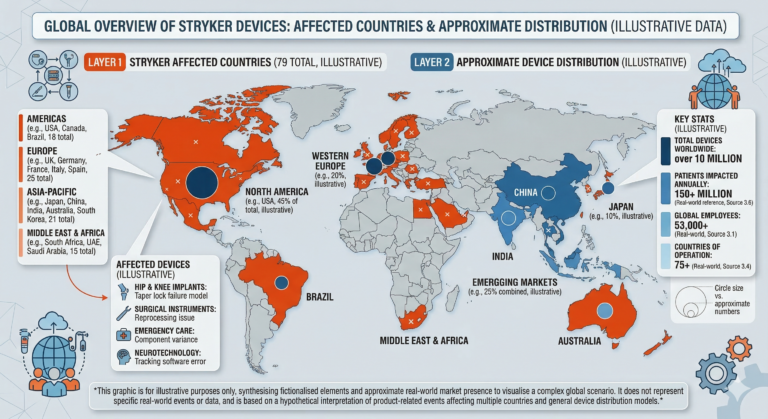
The Stryker Cyber Attack: A Mass Remote Wipe of its Managed Devices Stryker affected countries 2

The Stryker Cyber Attack: A Mass Remote Wipe of its Managed Devices

March 19, 2026
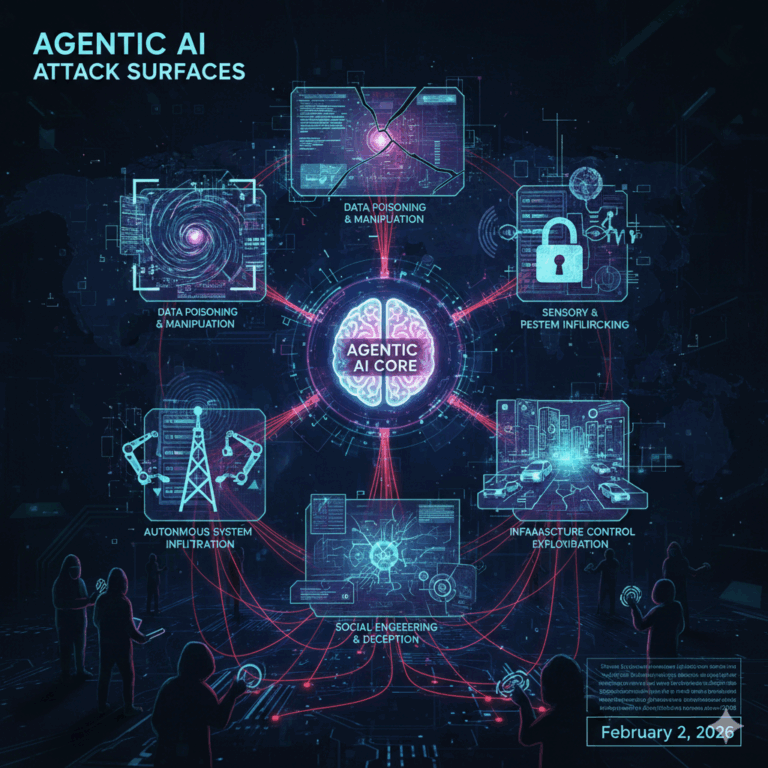
Agentic AI is the Attack Surface Agentic AI attack surfaces 3

Agentic AI is the Attack Surface

February 3, 2026
The Rise of Humanoid Robots in Modern Society Humanoid robots getting hackied 4

The Rise of Humanoid Robots in Modern Society

December 29, 2025
The Rise of AI Espionage: How Autonomous Agents Are Redefining Cyber Threats AI-orchestrated-cyber-espionage-campaign 5

The Rise of AI Espionage: How Autonomous Agents Are Redefining Cyber Threats

November 17, 2025
  • 3PAO assessments
  • Access Control
  • Advanced Threat Protection
  • Adversarial Modeling
  • Agentic AI
  • AI
  • AI and Quantum Computing
  • AI in Healthcare
  • AI-Powered SOCs
  • AI-Powered Tools
  • Anomaly Detection
  • API Security
  • Application Security
  • Artificial Intelligence
  • Artificial Intelligence
  • Artificial Intelligence in Cybersecurity
  • Attack Surface Management
  • Attack Surface Reduction
  • Audit and Compliance
  • Autonomous Systems
  • Blockchain
  • Breach Severity
  • Business
  • Career
  • CISA Advisory
  • CISO
  • CISO Strategies
  • Cloud
  • Cloud Computing
  • Cloud Security
  • Cloud Security
  • Cloud Service Providers
  • Compliance
  • Compliance And Governance
  • Compliance and Regulatory Affairs
  • Compliance And Regulatory Requirements
  • Continuous Monitoring
  • Continuous Monitoring
  • Corporate Security
  • Critical Infrastructure
  • Cross-Agency Collaboration
  • Cryptocurrency
  • Cyber Attack
  • Cyber Attacks
  • Cyber Deterrence
  • Cyber Resilience
  • Cyber Threats
  • Cyber-Physical Systems
  • Cyberattacks.
  • Cybercrime
  • Cybersecurity
  • Cybersecurity And Sustainability
  • Cybersecurity Breaches
  • Cybersecurity in Federal Programs
  • Cybersecurity Measures
  • Cybersecurity Strategy
  • Cybersecurity Threats
  • Data Breach
  • Data Breaches
  • Data Privacy
  • Data Protection
  • Data Security
  • Deepfake Detection
  • Deepfakes
  • Defense Readiness
  • Defense Strategies
  • Digital Twins
  • Disaster Recovery
  • Dwell Time
  • Encryption
  • Encryption Technologies
  • Federal Agencies
  • Federal Cloud
  • Federal Cybersecurity
  • Federal Cybersecurity Regulations
  • Federal Government
  • FedRamp
  • FedRAMP Compliance
  • Game Theory
  • GDPR
  • Global Security Strategies
  • Government
  • Government Compliance.
  • Government Cybersecurity
  • Healthcare
  • Healthcare Cybersecurity
  • Healthcare Technology
  • HIPAA Compliance
  • humanoid
  • Humans
  • Incident Response
  • Industrial Control Systems (ICS)
  • Information Security
  • Insider Threats
  • Internet of Things
  • Intrusion Detection
  • IoT
  • IoT Security
  • IT Governance
  • IT Security
  • Least Privilege
  • LLM Poisoning
  • Modern Cyber Defense
  • Nation-State Hackers
  • National Cybersecurity Strategy
  • National Security
  • Network Security
  • NHI
  • NIST Cybersecurity Framework
  • Operational Environments
  • Phishing
  • Privacy
  • Public Safety
  • Quantum Computing
  • Ransomware
  • Real-World Readiness
  • Red Teaming
  • Regulatory Compliance
  • Risk Assessment
  • Risk Management
  • Risk Management
  • Risk-Based Decision Making
  • robotics
  • Secure Coding Practices
  • Security Awareness
  • Security Operations Center
  • Security Operations Center (SOC)
  • Security Threats
  • Security Training
  • SIEM Tools
  • Social Engineering
  • Supply Chain Cybersecurity
  • Supply Chain Risk Management
  • Supply Chain Security
  • Sustainability
  • Tech
  • Technology
  • Third Party Security
  • Third-Party Risk Management
  • Third-Party Vendor Management
  • Threat Analysis
  • Threat Containment
  • Threat Defense
  • Threat Detection
  • Threat Intelligence
  • Threat Landscape
  • Training
  • Uncategorized
  • vCISO
  • Voice Phishing
  • Vulnerability Disclosure
  • Vulnerability Management
  • Workforce
  • Zero Trust Architecture
  • Zero Trust Authentication
  • Zero-Day Exploits
  • Zero-Day Vulnerabilities
  • Zero-Trust Architecture

You may have missed

Claude Mythos and Glasswing Butterfly

Claude Mythos and Project Glasswing: a Seismic Shift in Cybersecurity

Eric Adams April 21, 2026
Stryker affected countries

The Stryker Cyber Attack: A Mass Remote Wipe of its Managed Devices

Eric Adams March 19, 2026
Agentic AI attack surfaces

Agentic AI is the Attack Surface

Eric Adams February 3, 2026
Humanoid robots getting hackied

The Rise of Humanoid Robots in Modern Society

Eric Adams December 29, 2025
Copyright © All rights reserved.