Skip to content
The FedNinjas

The Fedninjas

FedNinjas: Your Guide to Federal Cloud, Cybersecurity, and FedRAMP Success.

Primary Menu
  • Home
  • Blog
  • Podcast
Listen to us on Spotify!

Security Awareness Metrics: How to Measure What Employees Learn

FedNinjas Team June 1, 2025 3 minutes read

Measuring the Effectiveness of Security Training

As organizations continue to grapple with the ever-evolving threat landscape, security awareness training has become an essential component of their defense strategy. However, the success of these initiatives hinges on the ability to measure the effectiveness of the training. This is where security awareness metrics come into play. In this article, we will delve into the importance of measuring what employees learn and provide guidance on how to do it effectively.

Why Measuring Security Awareness Matters

We must measure security awareness. Its importance is paramount. Phishing attacks cause 90% of all security incidents. CISA reports this statistic. A strong security awareness program helps. It greatly reduces employee vulnerability. But without measurement, we can’t gauge training. This is where security awareness metrics shine.

A robust program changes employee behavior. It makes them more vigilant. It makes them informed. Tracking metrics helps organizations. They identify improvements. They refine training programs. Ultimately, they reduce security breaches.

Security Awareness Metrics: A Clear Picture

Focus on key metrics. This measures your program’s effectiveness.

  • Participation Rates: Track training completions. This shows engagement. High participation means a successful campaign.
  • Knowledge Retention: Assess knowledge after training. Do employees absorb information? Do they retain it? Quizzes and assessments measure this. Conduct them regularly.
  • Behavioral Change: Measure employee behavior changes. Does training have an impact? Track reported security incidents. Count employees caught by phishing.
  • Return on Investment (ROI): Calculate your program’s ROI. Determine its financial value. Compare program costs to breach costs.

A Deeper Dive into Participation Rates

Participation rates are critical metrics. They show program effectiveness. High rates mean successful campaigns. But you must dig deeper. Understand participation nuances.

Track employees who finish training. Also track those who start but don’t finish. This shows engagement levels. It highlights areas for improvement.

Track participation across departments. Track it across seniority levels too. This reveals consistent impact. It shows pockets of resistance.

NIST studied phishing attacks. Many victims hadn’t received training. They lacked training in six months. This shows regular training’s importance. Tracking participation ensures effectiveness.

Additional Considerations for Measuring Security Awareness

The metrics above give great insights. They show program effectiveness. But organizations should consider more.

  • Training Frequency: Track training session frequency. Does it sustain employee behavior? Measure sessions over time.
  • User Engagement: Measure user engagement. Does training resonate? Use surveys or focus groups.
  • Incident Response: Track incident response rates. This shows training effectiveness. Measure response time. Measure resolution success.

Conclusion

Measuring security awareness training is vital. It reduces security breach risk. Track the right metrics. Organizations identify improvements. They refine training programs. They reduce breaches. Focus on key metrics. Include participation, knowledge, behavior, and ROI. Also track frequency, engagement, and incident response. This paints a full picture. Proactive organizations reduce security breaches.

References Cited

  1. Cybersecurity and Infrastructure Security Agency (CISA)
  2. National Institute of Standards and Technology (NIST)

About The Author

FedNinjas Team

See author's posts

Post navigation

Previous: Applying and Validating Security Baselines in Production
Next: Adaptive Adversarial AI in Red Teaming: Simulating Human-Like Threat Behavior

Related Stories

Cybersecurity compliance failing

Compromised Compliance and Governance: Risks of Reducing Cybersecurity Headcount

Eric Adams May 23, 2025

Trending News

Claude Mythos and Project Glasswing: a Seismic Shift in Cybersecurity Claude Mythos and Glasswing Butterfly 1

Claude Mythos and Project Glasswing: a Seismic Shift in Cybersecurity

April 21, 2026
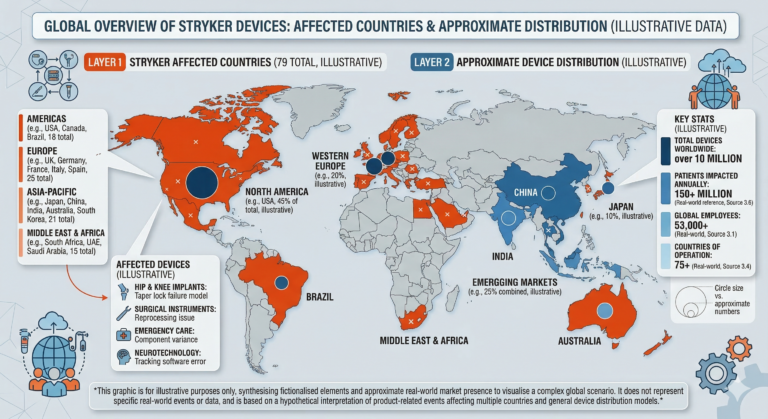
The Stryker Cyber Attack: A Mass Remote Wipe of its Managed Devices Stryker affected countries 2

The Stryker Cyber Attack: A Mass Remote Wipe of its Managed Devices

March 19, 2026
Agentic AI is the Attack Surface Agentic AI attack surfaces 3

Agentic AI is the Attack Surface

February 3, 2026
The Rise of Humanoid Robots in Modern Society Humanoid robots getting hackied 4

The Rise of Humanoid Robots in Modern Society

December 29, 2025
The Rise of AI Espionage: How Autonomous Agents Are Redefining Cyber Threats AI-orchestrated-cyber-espionage-campaign 5

The Rise of AI Espionage: How Autonomous Agents Are Redefining Cyber Threats

November 17, 2025
  • 3PAO assessments
  • Access Control
  • Advanced Threat Protection
  • Adversarial Modeling
  • Agentic AI
  • AI
  • AI and Quantum Computing
  • AI in Healthcare
  • AI-Powered SOCs
  • AI-Powered Tools
  • Anomaly Detection
  • API Security
  • Application Security
  • Artificial Intelligence
  • Artificial Intelligence
  • Artificial Intelligence in Cybersecurity
  • Attack Surface Management
  • Attack Surface Reduction
  • Audit and Compliance
  • Autonomous Systems
  • Blockchain
  • Breach Severity
  • Business
  • Career
  • CISA Advisory
  • CISO
  • CISO Strategies
  • Cloud
  • Cloud Computing
  • Cloud Security
  • Cloud Security
  • Cloud Service Providers
  • Compliance
  • Compliance And Governance
  • Compliance and Regulatory Affairs
  • Compliance And Regulatory Requirements
  • Continuous Monitoring
  • Continuous Monitoring
  • Corporate Security
  • Critical Infrastructure
  • Cross-Agency Collaboration
  • Cryptocurrency
  • Cyber Attack
  • Cyber Attacks
  • Cyber Deterrence
  • Cyber Resilience
  • Cyber Threats
  • Cyber-Physical Systems
  • Cyberattacks.
  • Cybercrime
  • Cybersecurity
  • Cybersecurity And Sustainability
  • Cybersecurity Breaches
  • Cybersecurity in Federal Programs
  • Cybersecurity Measures
  • Cybersecurity Strategy
  • Cybersecurity Threats
  • Data Breach
  • Data Breaches
  • Data Privacy
  • Data Protection
  • Data Security
  • Deepfake Detection
  • Deepfakes
  • Defense Readiness
  • Defense Strategies
  • Digital Twins
  • Disaster Recovery
  • Dwell Time
  • Encryption
  • Encryption Technologies
  • Federal Agencies
  • Federal Cloud
  • Federal Cybersecurity
  • Federal Cybersecurity Regulations
  • Federal Government
  • FedRamp
  • FedRAMP Compliance
  • Game Theory
  • GDPR
  • Global Security Strategies
  • Government
  • Government Compliance.
  • Government Cybersecurity
  • Healthcare
  • Healthcare Cybersecurity
  • Healthcare Technology
  • HIPAA Compliance
  • humanoid
  • Humans
  • Incident Response
  • Industrial Control Systems (ICS)
  • Information Security
  • Insider Threats
  • Internet of Things
  • Intrusion Detection
  • IoT
  • IoT Security
  • IT Governance
  • IT Security
  • Least Privilege
  • LLM Poisoning
  • Modern Cyber Defense
  • Nation-State Hackers
  • National Cybersecurity Strategy
  • National Security
  • Network Security
  • NHI
  • NIST Cybersecurity Framework
  • Operational Environments
  • Phishing
  • Privacy
  • Public Safety
  • Quantum Computing
  • Ransomware
  • Real-World Readiness
  • Red Teaming
  • Regulatory Compliance
  • Risk Assessment
  • Risk Management
  • Risk Management
  • Risk-Based Decision Making
  • robotics
  • Secure Coding Practices
  • Security Awareness
  • Security Operations Center
  • Security Operations Center (SOC)
  • Security Threats
  • Security Training
  • SIEM Tools
  • Social Engineering
  • Supply Chain Cybersecurity
  • Supply Chain Risk Management
  • Supply Chain Security
  • Sustainability
  • Tech
  • Technology
  • Third Party Security
  • Third-Party Risk Management
  • Third-Party Vendor Management
  • Threat Analysis
  • Threat Containment
  • Threat Defense
  • Threat Detection
  • Threat Intelligence
  • Threat Landscape
  • Training
  • Uncategorized
  • vCISO
  • Voice Phishing
  • Vulnerability Disclosure
  • Vulnerability Management
  • Workforce
  • Zero Trust Architecture
  • Zero Trust Authentication
  • Zero-Day Exploits
  • Zero-Day Vulnerabilities
  • Zero-Trust Architecture

You may have missed

Claude Mythos and Glasswing Butterfly

Claude Mythos and Project Glasswing: a Seismic Shift in Cybersecurity

Eric Adams April 21, 2026
Stryker affected countries

The Stryker Cyber Attack: A Mass Remote Wipe of its Managed Devices

Eric Adams March 19, 2026
Agentic AI attack surfaces

Agentic AI is the Attack Surface

Eric Adams February 3, 2026
Humanoid robots getting hackied

The Rise of Humanoid Robots in Modern Society

Eric Adams December 29, 2025
Copyright © All rights reserved.