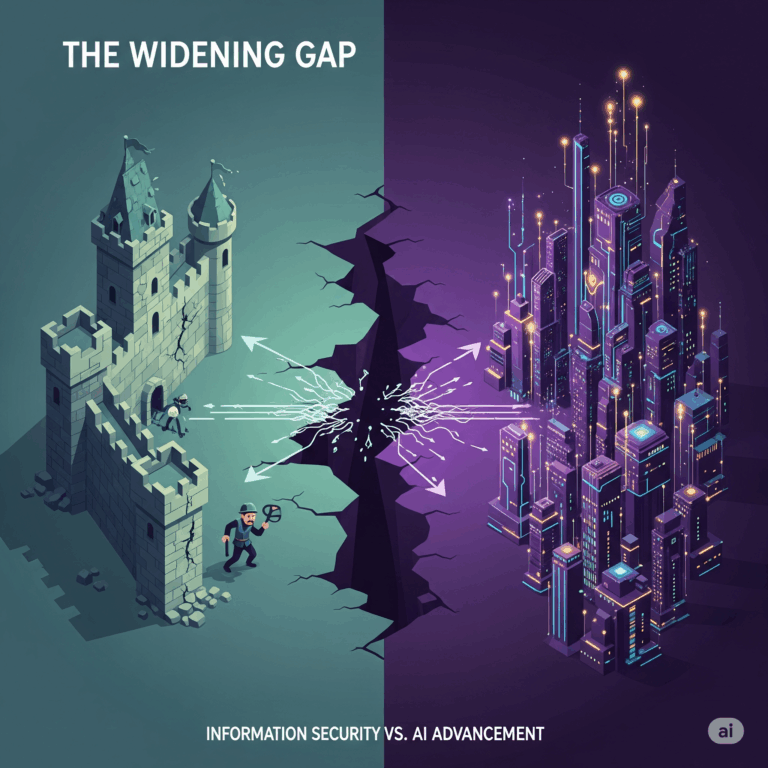

The security of cloud applications is inextricably linked to the security of the underlying cloud infrastructure. Even the most securely coded application can be compromised if the infrastructure it runs on is misconfigured or vulnerable. This is where the disciplines of configuration management and Infrastructure as Code (IaC) become crucial. By automating the provisioning and configuration of cloud resources, organizations can enforce security policies consistently, reduce manual errors, and enhance the overall security posture of their cloud applications. This article delves into the critical role of securing cloud infrastructure with configuration management and Infrastructure as Code (IaC).
In the context of cloud computing, the shared responsibility model clearly delineates that while cloud providers secure the physical infrastructure, customers are responsible for securing their configurations and the resources they provision within the cloud. Insecurely configured cloud resources, such as storage buckets with overly permissive access or virtual machines with unnecessary open ports, can create significant vulnerabilities that attackers can readily exploit. Therefore, adopting robust practices for managing and securing cloud infrastructure is paramount.
Understanding Configuration Management in the Cloud
Configuration management is the process of maintaining computer systems, servers, and software in a desired and consistent state. In the cloud, this involves ensuring that all provisioned resources, such as virtual machines, databases, and networking components, are configured according to established security policies and best practices. Effective configuration management helps to:
- Standardize Configurations: Enforce consistent configurations across all environments, reducing the risk of misconfigurations.
- Automate Configuration Changes: Automate the process of applying and maintaining configurations, minimizing manual errors and inconsistencies.
- Track Configuration History: Maintain a history of configuration changes, allowing for auditing and rollback if necessary.
- Enforce Compliance: Ensure that cloud resources are configured in accordance with relevant security standards and compliance requirements.
Benefits of Configuration Management for Cloud Security
Leveraging configuration management tools and practices offers several significant benefits for cloud security:
- Reduced Attack Surface: By enforcing secure configurations and closing unnecessary ports and services, configuration management helps to minimize the attack surface of cloud environments.
- Improved Compliance: Configuration management tools can automatically check configurations against security benchmarks and compliance frameworks, ensuring adherence to regulations.
- Faster Incident Response: Having well-defined and automated configurations allows for faster recovery from security incidents by enabling the quick restoration of systems to a known good state.
- Enhanced Visibility: Configuration management provides better visibility into the state of cloud resources, making it easier to identify and address security issues.
### Introduction to Infrastructure as Code (IaC)
Infrastructure as Code (IaC) is the practice of managing and provisioning cloud infrastructure using code rather than manual processes. With IaC, infrastructure components such as virtual machines, networks, load balancers, and databases are defined in code, typically using declarative languages like YAML or JSON. This code can then be version-controlled, reviewed, and automated, just like application code.
Benefits of IaC for Cloud Security
Adopting IaC practices offers numerous security advantages for cloud applications:
- Version Control: Infrastructure code can be stored in version control systems, allowing for tracking changes, auditing, and rolling back to previous configurations if needed. This enhances accountability and reduces the risk of unintended changes.
- Automated Security Checks: Security checks can be integrated into the IaC deployment pipeline. For example, static analysis tools can scan IaC templates for potential security misconfigurations before they are provisioned.
- Immutable Infrastructure: IaC enables the creation of immutable infrastructure, where servers and other resources are never modified after deployment. Instead, if changes are needed, new resources are provisioned, and the old ones are replaced. This significantly reduces the risk of configuration drift and inconsistencies.
- Repeatable and Consistent Deployments: IaC ensures that infrastructure is provisioned in a consistent and repeatable manner, reducing the likelihood of manual errors that could introduce security vulnerabilities.
- Faster Provisioning and Rollback: Automation through IaC allows for faster provisioning of secure infrastructure and quicker rollback in case of failures or security incidents.
Key Security Considerations for IaC
While IaC offers significant security benefits, it also introduces new security considerations that organizations need to address:
- Secrets Management: IaC often requires the use of sensitive credentials, such as API keys and passwords. These secrets need to be securely managed and protected to prevent unauthorized access to the infrastructure.
- Access Control: Proper access control mechanisms need to be in place to ensure that only authorized individuals or systems can create, modify, or delete infrastructure code.
- Code Review: Infrastructure code should be subject to the same rigorous code review processes as application code to identify potential security vulnerabilities or misconfigurations.
- Drift Detection: While IaC aims to maintain a consistent state, configuration drift can still occur due to manual interventions or other factors. Implementing drift detection mechanisms is crucial to identify and remediate any deviations from the desired state.
- Dependency Management: IaC often relies on various modules and plugins. Organizations need to ensure that these dependencies are from trusted sources and are regularly updated to address any known security vulnerabilities.
Popular Configuration Management and IaC Tools for Cloud
Several popular tools are available to help organizations implement configuration management and IaC in the cloud:
- Ansible: An agentless automation tool that uses playbooks written in YAML to define and apply configurations.
- Chef: A configuration management tool that uses recipes and cookbooks to define the desired state of systems.
- Puppet: A model-driven configuration management tool that uses a declarative language to define infrastructure.
- Terraform: An open-source infrastructure-as-code tool that allows users to define and provision infrastructure across multiple cloud providers using a declarative language.
- AWS CloudFormation: A service provided by Amazon Web Services (AWS) that allows users to define and provision AWS infrastructure using JSON or YAML templates.
- Azure Resource Manager (ARM) Templates: The native IaC service for Microsoft Azure, allowing users to define and deploy Azure resources using JSON templates.
- Google Cloud Deployment Manager: Google Cloud’s IaC service that allows users to define and deploy Google Cloud resources using YAML or Python.
Integrating Security into Configuration Management and IaC Pipelines
To truly secure cloud infrastructure with configuration management and IaC, security checks and best practices need to be integrated into the automation pipelines of these tools. This can include:
- Static Analysis of IaC Templates: Using tools to scan IaC templates for common security misconfigurations, such as overly permissive security group rules or insecure IAM policies.
- Policy Enforcement: Implementing policies that automatically prevent the deployment of insecure configurations.
- Compliance Checks: Integrating compliance checks into the pipeline to ensure that infrastructure configurations meet regulatory requirements.
- Vulnerability Scanning: Scanning provisioned infrastructure for known vulnerabilities as part of the deployment process.
- Automated Remediation: Automatically remediating certain types of security misconfigurations or vulnerabilities.
The Role of DevSecOps in Infrastructure Security
DevSecOps principles are essential for effectively securing cloud infrastructure with configuration management and IaC. By fostering collaboration between development, security, and operations teams, DevSecOps ensures that security is considered throughout the entire infrastructure lifecycle. Security engineers should work closely with infrastructure teams to define secure configuration standards and integrate security checks into IaC pipelines. This collaborative approach helps to build security into the foundation of cloud applications.
Challenges and Best Practices
Securing cloud infrastructure with configuration management and IaC can present several challenges:
- Complexity of Cloud Environments: Understanding the security implications of the vast array of cloud services and configuration options can be challenging.
- Skills Gap: Organizations may lack the expertise in both infrastructure automation and security required to implement these practices effectively.
- Resistance to Change: Adopting IaC and automated configuration management may require significant changes to existing processes and workflows, which can face resistance from teams.
To overcome these challenges, organizations should adopt the following best practices:
- Invest in Training: Provide comprehensive training to infrastructure and security teams on cloud security best practices and the use of configuration management and IaC tools.
- Start Small and Iterate: Begin by automating the provisioning and configuration of a few critical infrastructure components and gradually expand the scope.
- Establish Clear Security Policies: Define clear and well-documented security policies that guide the configuration of cloud resources.
- Automate Everything Possible: Automate the provisioning, configuration, and security checks of cloud infrastructure to reduce manual errors and ensure consistency.
- Implement Continuous Monitoring: Continuously monitor cloud infrastructure for configuration drift and security vulnerabilities.
- Foster Collaboration: Encourage close collaboration between development, security, and operations teams to ensure that security is integrated throughout the infrastructure lifecycle.
Conclusion
Securing cloud infrastructure with configuration management and Infrastructure as Code (IaC) is a fundamental aspect of building and maintaining secure cloud applications. By automating the provisioning and configuration of cloud resources, organizations can enforce security policies consistently, reduce manual errors, improve compliance, and ultimately enhance their overall security posture. Embracing a DevSecOps culture and adopting these practices are essential for navigating the complexities of cloud security and ensuring the resilience of cloud applications.
What’s Next in This Series?
The next and final article in this series will explore the fifth subtopic: “Continuous Security Monitoring, Logging, and Incident Response for Cloud Applications.” We will discuss best practices for detecting and responding to security threats in real-time within cloud environments.
References Cited:
1 Cloud Security Alliance. (n.d.). Security Guidance for Critical Areas of Focus in Cloud Computing v4.0. Retrieved from https://cloudsecurityalliance.org/research/security-guidance/
2 OWASP. (n.d.). Infrastructure as Code. Retrieved from https://owasp.org/www-project-infrastructure-as-code/
3 National Institute of Standards and Technology. (2018). SP 800-160 Vol. 1, Systems Security Engineering: Considerations for a Multidisciplinary Approach in the Engineering of Trustworthy Secure Systems. Retrieved from https://csrc.nist.gov/publications/detail/sp/800-160/vol-1/final
4 HashiCorp. (n.d.). What is Infrastructure as Code?. Retrieved from https://www.hashicorp.com/what-is-infrastructure-as-code
5 Red Hat. (n.d.). What is configuration management?. Retrieved from https://www.redhat.com/en/topics/automation/what-is-configuration-management
6 AWS. (n.d.). What is Infrastructure as Code?. Retrieved from https://aws.amazon.com/what-is/infrastructure-as-code/
About The Author