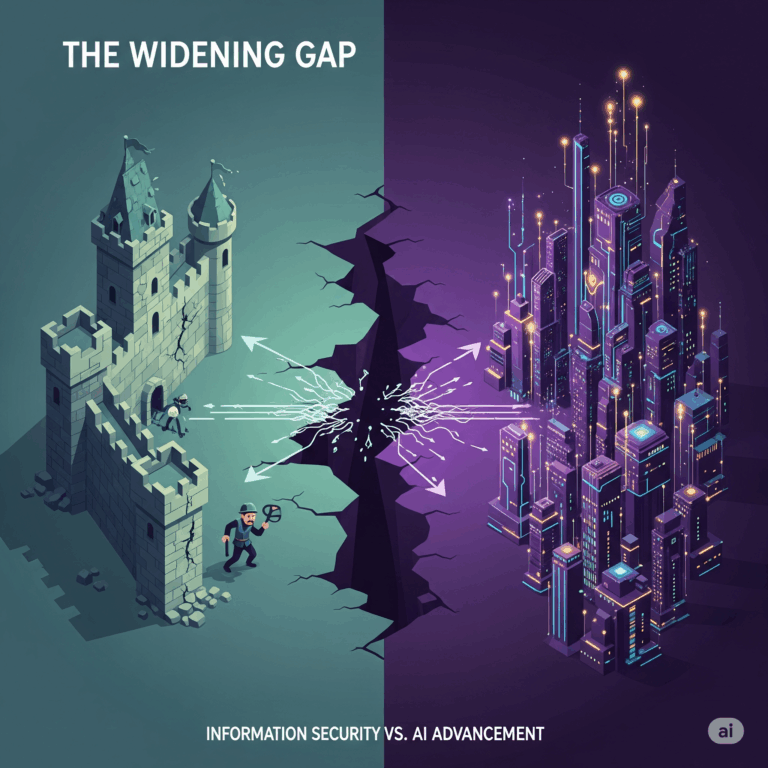
In the ever-evolving landscape of cybersecurity, the human element remains both a critical asset and a potential vulnerability. As organizations navigate the complexities of remote work and digital transformation, understanding and addressing human factors is paramount.

Understanding the Human Element in Cybersecurity
When it comes to cybersecurity, many think of firewalls, antivirus software, and encryption. But the truth is, people are both the weakest link and the strongest shield. Human behavior shapes security more than any technology. Understanding this is the first step in defending your digital environment.
Most cyberattacks succeed because of human mistakes. Phishing emails, weak passwords, and accidental data leaks happen because people slip up, not because systems are broken. The challenge lies in reducing these errors without creating fear or blame in the workplace.
Why Remote Work Amplifies Human-Centric Risks
Remote work has changed the way businesses operate. It also opened new doors for cybercriminals. Home networks are usually less secure than office setups. Employees often mix personal and work devices. Distractions at home make people more likely to click on the wrong link or forget a security rule.
Attackers know this. Social engineering, phishing, and ransomware campaigns have all increased in remote environments. Weak or reused passwords, unsecured Wi-Fi, and lack of updates on personal devices make attacks easier and more damaging.
Common Human Errors That Lead to Cyber Breaches
Even the best employees can fall into common security traps:
- Falling for phishing emails. Hackers make emails look real and urgent.
- Using weak passwords. Simple passwords are easy to guess or crack.
- Sharing sensitive data over unsecured channels. Quick choices often lead to unsafe practices.
- Skipping software updates. Delaying updates leaves systems open to known threats.
- Using personal devices without security checks. This creates gaps in the company’s defenses.
Security Awareness: Training Beyond Checklists
Training is the strongest way to turn people from risks into assets. But training must go beyond a once-a-year course or a quick slideshow. Real security awareness is about changing daily habits.
Interactive simulations, regular phishing tests, and short, engaging lessons build a culture where people are alert and prepared. Teams must feel safe reporting mistakes early without fear of punishment. Speed matters when stopping an attack.
Building a Human-Centric Cyber Defense Strategy
A strong cybersecurity plan focuses on people first. Technology matters, but tools are only as good as the people using them. The best strategy includes:
- Clear policies on passwords, updates, and remote access.
- Routine security testing and drills.
- Open channels for reporting threats or suspicious behavior.
- Regular updates on emerging cyber risks and scams.
This shifts security from being an IT problem to being a shared responsibility.
Culture, Communication, and Continuous Testing
A strong security culture grows through leadership, example, and open dialogue. Security must feel like a part of everyday work, not a burden.
- Leaders should talk about security often and show they take it seriously.
- Peer-to-peer communication should include discussions about security tips.
- Continuous testing keeps skills sharp and helps teams learn from real scenarios.
When people feel involved and informed, they make smarter choices.
Conclusion: Your Employees Are Your Cyber Shield
Technology changes fast, but the human element remains the most critical part of cybersecurity. Training, strong communication, and a supportive culture can turn human error into human strength.
Investing in your people is the best way to prepare for any cyber threat, especially in a world where remote work is here to stay.
Note: This article emphasizes the significance of human factors in cybersecurity, particularly in the context of remote work. It underscores the need for comprehensive strategies to address human-related vulnerabilities.
About The Author