By FedNinjas
On a clear Tuesday morning in New York City, everything changed.
An executive, working on the 24th floor of a downtown building, felt the initial impact as a tremor—perhaps construction nearby. But when the executive assistant called to report that a plane had struck the Twin Towers, that illusion disappeared. Moments later, another explosion rocked the sky. Then came the dust, the silence, the darkness.
He made it out just minutes before the second tower collapsed, walking home covered in debris, with a disposable camera full of images and a mind full of questions.
For professionals in cybersecurity, infrastructure, and business continuity, the story is more than a personal narrative—it is a case study in systemic vulnerability and the importance of preparedness. More than two decades later, the lessons remain urgent.
The Reality of Risk
Disaster recovery (DR) and business continuity (BC) are often spoken of in procedural terms, but at their core, they represent a response to a simple and sobering truth: when systems go down, lives and livelihoods are on the line.
In the federal space—where regulations like FedRAMP define rigorous frameworks for risk management—continuity is not a convenience but a mandate. Guidance from the National Institute of Standards and Technology (NIST), such as SP 800-34, requires detailed contingency planning. Agencies must demonstrate not only the existence of backup infrastructure but the viability of restoring services quickly and with minimal data loss.
This distinction is critical. While business continuity focuses on the people—the teams, roles, and responsibilities that keep operations running—disaster recovery is about technology: data replication, site failover, cloud backup, and full-system restoration.
The two strategies are interconnected. Without trained personnel, recovery procedures stall. Without robust infrastructure, continuity becomes theoretical.
The Metrics of Survival
In the language of resilience, two metrics dominate: Recovery Point Objective (RPO) and Recovery Time Objective (RTO).
RPO refers to how much data an organization can afford to lose in the event of a disruption. Is it acceptable to lose 10 minutes of transactional data? An hour? A full day?
RTO, on the other hand, defines how quickly systems must be restored. Four hours might be tolerable for some services, but in critical infrastructure—such as defense, health, or finance—delays of even minutes can have cascading consequences.
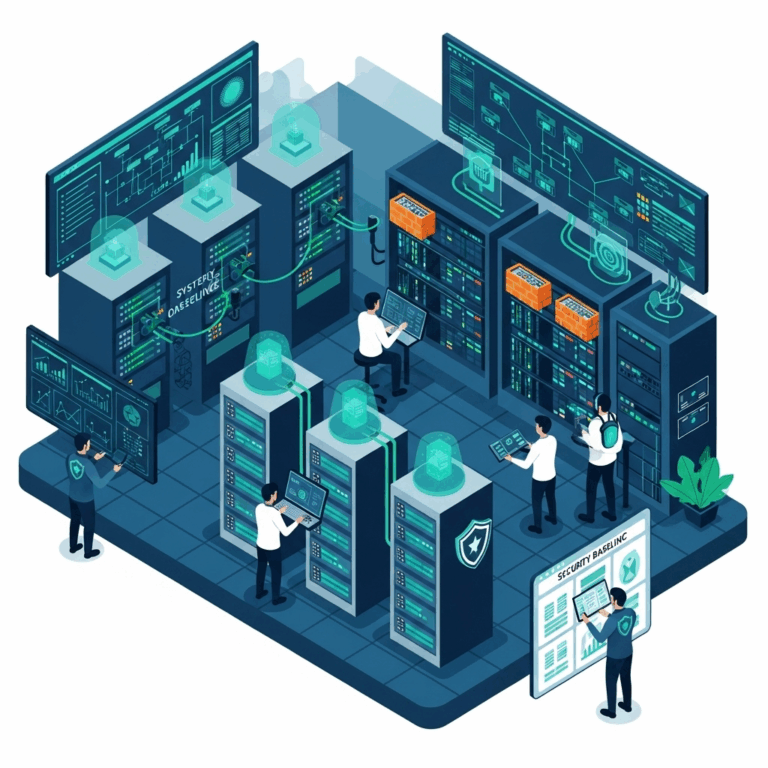
To meet these objectives, agencies and contractors often deploy redundant systems across multiple regions. Data is replicated continuously, and backups are tested regularly through both tabletop exercises and functional simulations—the latter involving live failovers to backup environments under time constraints.
Auditors demand evidence: logs, screenshots, recovery reports, and metrics that validate the resilience of a system—not only in theory, but in action.
The Fragility of Assumptions
On September 11th, 2001, communications systems across New York City failed. Cellular networks collapsed under load. Landlines became unreliable. Digital communication froze. In many cases, organizations fell back on analog methods—manual calling trees, hand-written contact lists, and in-person check-ins.
The importance of such redundancies cannot be overstated.
Organizations that over-index on technology at the expense of human process design risk paralysis during a crisis. When digital systems fail, leadership, decision-making, and human initiative must continue.
This insight informs a foundational principle in modern cybersecurity frameworks: people are as critical as platforms. A resilient system is not merely one with robust architecture, but one with clarity of roles, predefined workflows, and communication protocols that function independently of any single point of failure.
The Threat Landscape Today
The threat environment has changed, but the stakes remain high.
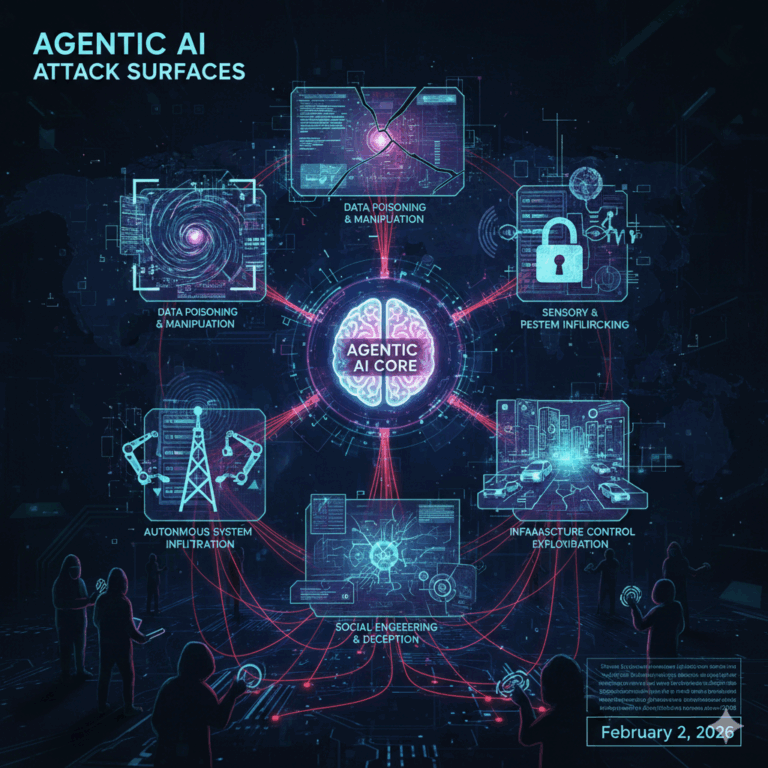
Cybersecurity experts estimate that there are more than 45 billion cyberattacks per day across the globe. These range from distributed denial-of-service (DDoS) attacks and ransomware to advanced persistent threats orchestrated by nation-state actors.
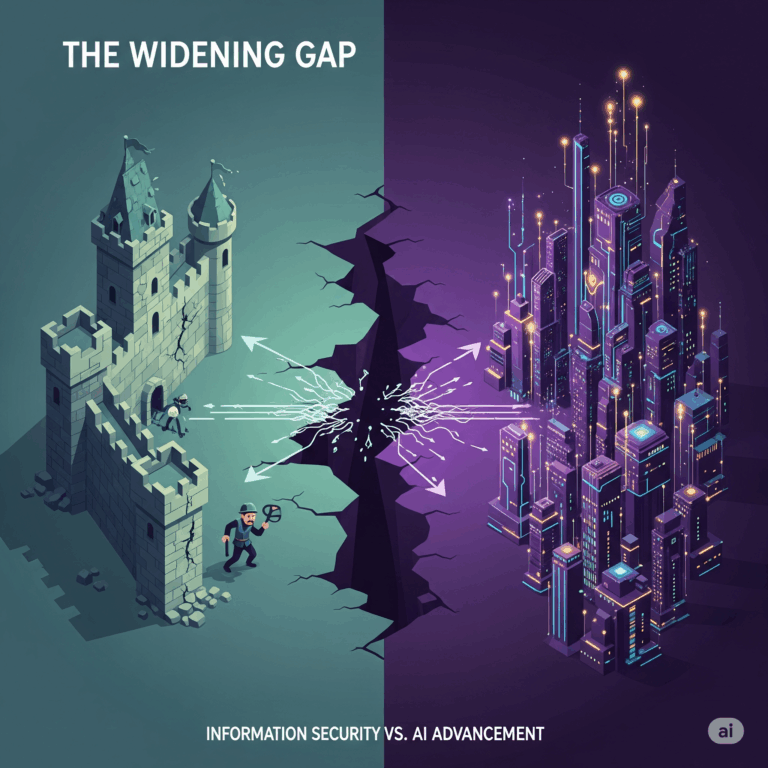
The rise of cloud computing and software-as-a-service (SaaS) solutions has introduced both resilience and complexity. While cloud-native environments offer flexibility and elastic scaling, they also increase the attack surface and place immense pressure on configuration, monitoring, and vendor coordination.
In this context, disaster recovery is no longer confined to isolated failover environments. It is a dynamic, ongoing process involving live replication, real-time telemetry, continuous auditing, and cross-functional coordination.
It is not simply about restoring access. It is about preserving trust.
Institutional Memory and Planning Culture
Perhaps the most dangerous assumption in any organization is that a disaster “won’t happen here.” But history—and experience—suggest otherwise.
Whether facing terrorism, natural disaster, or cyberattack, the organizations that endure are those that treat continuity as a living discipline. Their plans are tested. Their teams are trained. Their leadership is engaged.
These are the institutions that emerge from crises intact—not by luck, but by design.
At the core of these efforts are the playbooks: detailed documents that outline recovery procedures, escalation paths, communication protocols, and system dependencies. These playbooks are not theoretical. They are practiced, revised, and tested under real-world constraints.
In the federal space, compliance with frameworks like FedRAMP, FISMA, and NIST is not just about checkboxes—it’s about operational readiness. Organizations must demonstrate they can withstand attacks, outages, and unforeseen disruption, without compromising mission or security.
Beyond Compliance: Building a Culture of Resilience
A compliant system is not necessarily a resilient one. Compliance can be achieved with paperwork. Resilience must be earned.
To build truly resilient systems, organizations must invest in people, technology, and culture. This includes:
- Cross-training staff across regions and time zones to ensure institutional knowledge is not concentrated.
- Testing playbooks regularly, both through tabletop exercises and full failover simulations.
- Engaging executive leadership in continuity discussions, ensuring that recovery priorities align with business value.
- Maintaining operational transparency, with clear documentation, audit trails, and governance models.
Resilience is not static. It is dynamic, continuous, and adaptive. And it must be treated as such.
The Unwritten Chapter
There’s a story told by the executive who escaped Ground Zero. Hours after the towers fell, a colleague reached out—not through email or instant message, but by phone.
“How are you?” they asked.
That question—personal, direct, and human—was part of the continuity plan. A calling tree. A piece of paper. A list of numbers. A lifeline.
In moments of crisis, technology may falter. But the principles that guide us—clarity, preparedness, empathy, courage—must remain.
The challenge today is not whether a disaster will occur. It is whether organizations are ready when it does. Whether systems will stand. Whether missions will endure.
The answer lies not just in servers and software, but in leadership. In foresight. In discipline.
And, most importantly, in the will to prepare before the storm arrives.
FedNinjas Editorial Team
For more insights on federal cybersecurity, cloud resilience, and IT modernization, follow @FedNinjas or contact us at info@fedninjas.com.
About The Author